

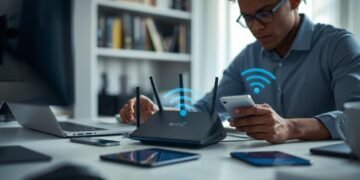






























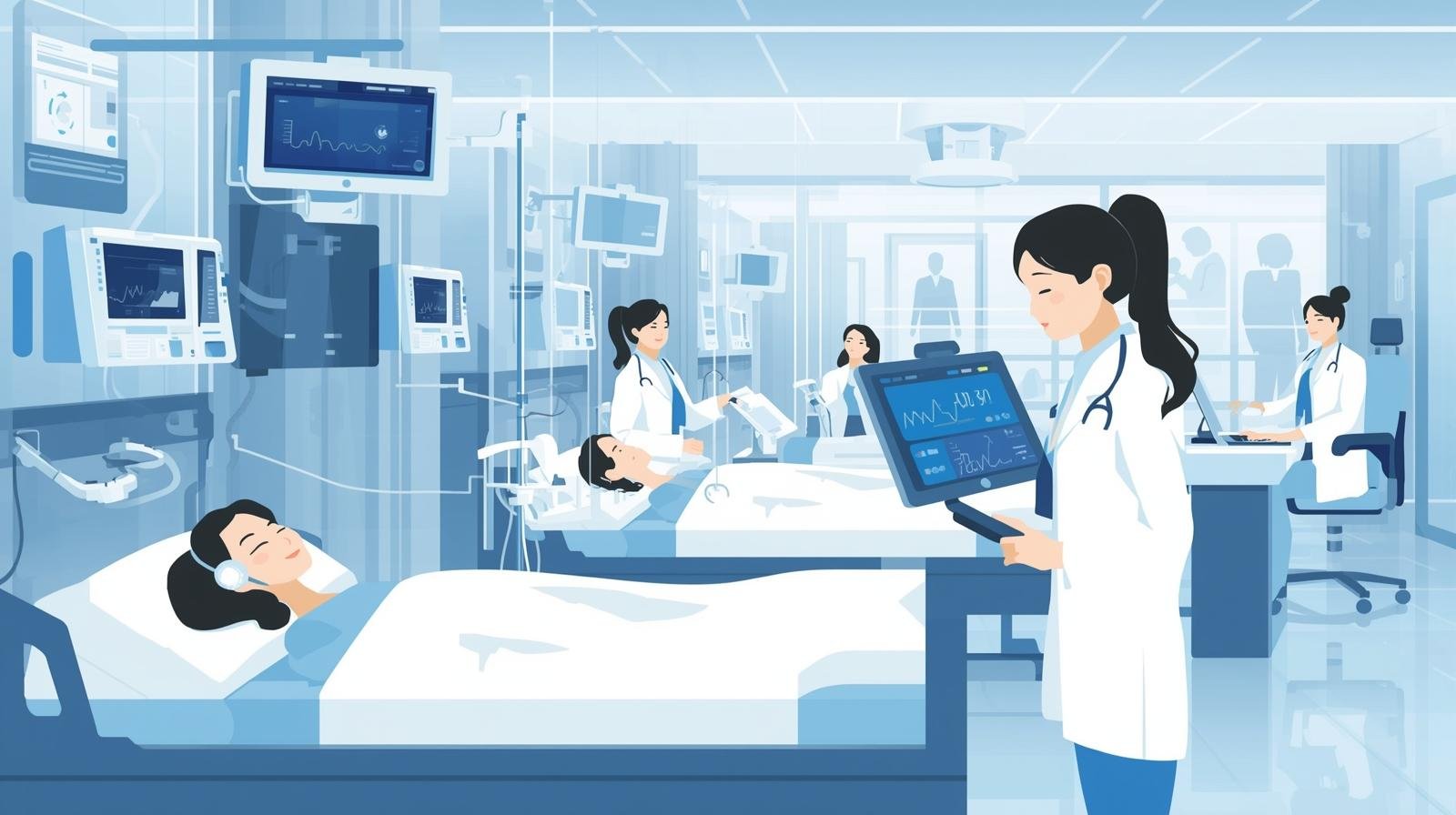
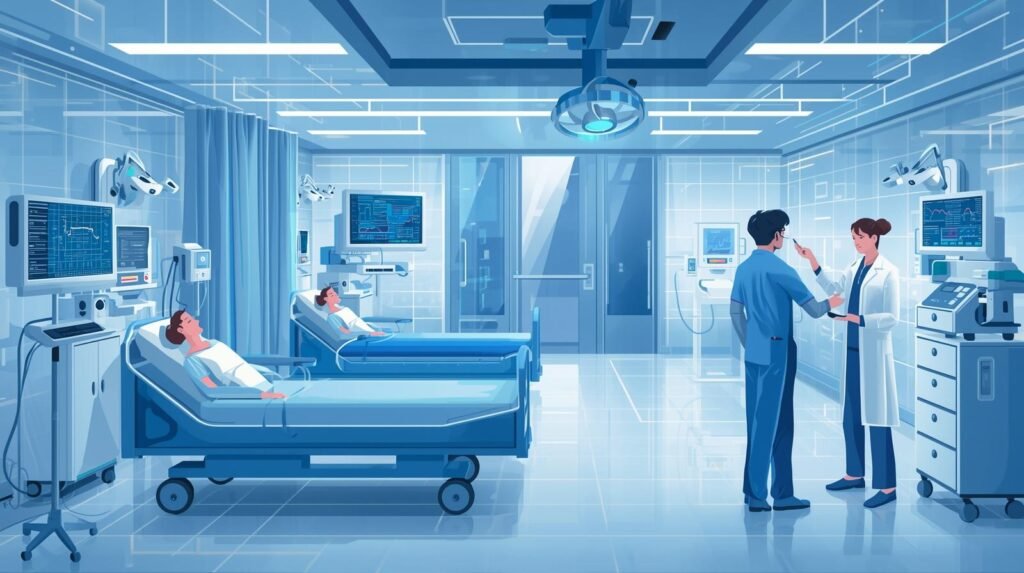
IoMT (Internet of Medical Things) refers to all medical devices, sensors, software, and hospital systems that collect data and transmit it over networks for safe transmission. In hospitals, IoMT enables bedside monitors, infusion pumps, ventilators, imaging systems, smart beds, and wearable tracking devices to communicate with one another, allowing clinicians to view information in near real time.

Instead of storing information in individual devices, information now flows constantly and is documented in the Electronic Health Record (EHR), and made available to clinicians in various locations, including workstations, tablets, and on a nurse station dashboard.
One common method for implementing an IoMT is by sending signal-based data from a device to a gateway or a clinical platform (via Wi-Fi, Bluetooth, or a wired connection). The data is then cleaned, labeled, and validated against predefined parameters once received at the clinical platform. If the data is outside of these predetermined parameters, an alert will be sent.
An additional benefit of an IoMT is that it can send “smart” alerts, which assess data from multiple sources, filter out false alarms, and send escalating alerts only when there is a true threat to the patient.
IoMT improves hospital safety and reduces costs by enabling hospitals to provide better patient care. Remote monitoring equipment and other technologies are used throughout a hospital to help hospital staff identify problems with their patients sooner than they would have with traditional methods.
Remote monitoring devices allow nurses to observe many patients at one time from their nurse stations. Therefore, a nurse will be able to recognize the beginning of a problem before the patient’s condition becomes serious and act accordingly. Asset tracking systems that use tags (small radio-frequency identification devices) allow hospital staff to quickly locate medical supplies such as wheelchairs, pumps, and portable ultrasound units, greatly reducing delays.
Smart medication cabinets and smart infusion pumps enable healthcare workers to follow clinical workflows that ensure the correct patient receives the correct drug at the correct dosage. Smart refrigerators or temperature probes that track the temperature of refrigerators containing vaccines and blood products, and air quality monitoring systems that track air quality in isolation areas, support the use of IoMT in hospitals.
IoMT supports post-discharge care as well. Hospital patients are given home devices and/or wearable monitors that can send recovery information to their healthcare providers. The information sent to providers helps them identify when the patient may need readmission to the hospital and allows them to monitor the patient’s recovery through virtual visits.
#Intelligent Smart IoT Sensors and AI: The Powerful Connection
Global Internet of Medical Things (IoMT) Market Growth

Source: Grand View Research
https://www.grandviewresearch.com/industry-analysis/internet-of-medical-things-iomt-market-report
To make sure IoT Medical Technology (IoMT) can be trusted, hospitals need to concentrate on security (cybersecurity) as well as patching, segmenting, and creating governance for who has access to data from which individual or role. When hospitals implement IoMT in a way that supports its intended purpose, patients will experience less manual documentation, increased provider visibility, and providers will be able to spend their time on patient care rather than documenting it.
Many hospitals’ IoMT projects are failing because the devices cannot communicate with one another. Because of this, hospitals will choose a system that provides communication via standard channels and includes an integration layer to support the electronic health record (EHR).
When designing an IoMT solution, the design team needs to consider the clinical workflow: Alerts need to be sent to the correct recipient at the correct time, and each alert needs to include a clear call to action. Data quality is also important: Sensors need to be calibrated, batteries need to be replaced, and timestamp synchronization needs to be maintained.
By having metrics to measure how the technology is working (e.g., the number of adverse events reduced, the number of days a patient is in the hospital reduced, and the amount of lost or damaged medical equipment reduced), the technology will continue to center on patient care. Change management and training will allow the staff to trust the readings and use the information every day/shift.
A caregiver’s biggest concern in taking care of an elderly loved one from far away is “Was my parent given their medication?” And wouldn’t it be great if a smart pill bottle could send you a text message when they miss a dose and give you instant comfort? This is exactly what the Internet of Medical Things (IoMT) can do for you.
The idea behind the Internet of Medical Things (IoMT) is similar to the concept of an Internet of Medical Things (IoMT) such as a smart home security system, but instead of using a camera to watch your front door or motion detectors on your walls; cameras are monitoring a medical device and alerting you or your doctor when there might be something wrong with you, most of the time before you even notice that something is wrong.
At its core, IoMT is a network of connected medical devices — such as smart inhalers and hospital monitors — that use secure internet connections to collect and transmit medical information. There is also a critical distinction here as well.
Your wearable fitness tracker offers wellness trend analysis. An IoMT device is a medical device and thus a type of medical device; your wearable fitness tracker (e.g., a Fitbit) will count the number of steps you have taken, etc., while a continuous glucose monitor (a common type of IoMT device) will continuously send your doctor your blood glucose level reading so that the doctor may take appropriate action.
The ultimate purpose of these devices is to get the right information to the right person at the right time. This advancement in digital health is also creating a bridge among the patient, the patient’s data, and the doctors treating the patient. As a result, this advancement in digital health is creating an environment that shifts care from a traditional reactive, appointment-based model to a proactive, ongoing one, providing additional safety for the patient and their family members.
Growth of IoT in the Healthcare Market

Source: Grand View Research
https://www.grandviewresearch.com/industry-analysis/internet-of-things-iot-healthcare-market
Connected health: Seamless healthcare through device connectivity
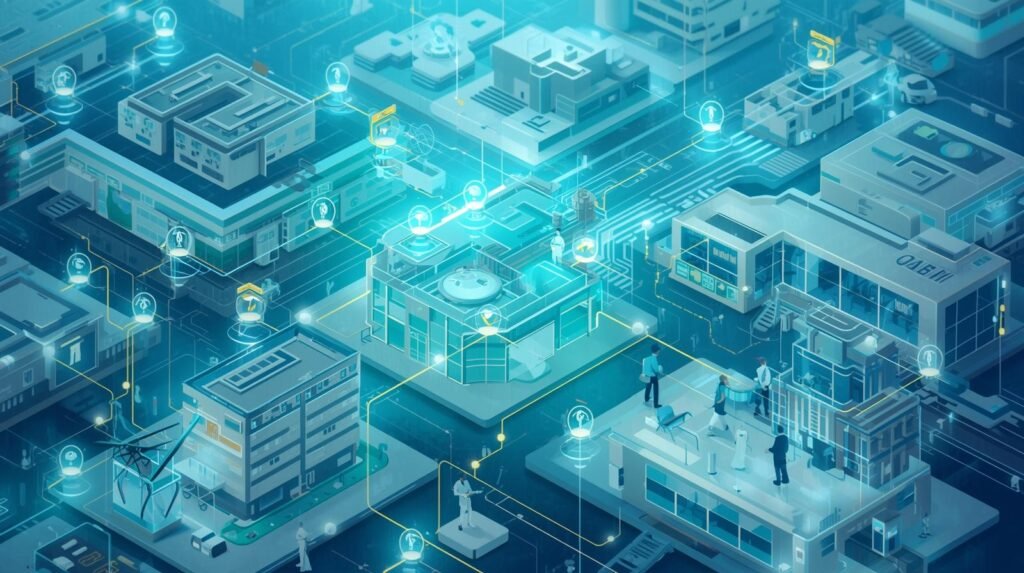
Connected Health provides ongoing care through the secure exchange of data among all connected medical devices, apps, and clinical information systems; hospital staff can monitor a patient’s status from an integrated view without searching for the patient’s paper medical record.
Once the patient is back home, Connected Health continues to allow clinicians to access the patient’s current status via wearable devices such as smartwatches, fitness trackers, glucometers, blood pressure monitors, and bathroom scales, which can send data to the clinician between scheduled office visits.
The Internet of Medical Things (IoMT) is a platform that enables medical devices to communicate with one another. An example would be sending an alert on a patient’s abnormal heart rhythm directly to the appropriate clinician. Another example would be that if there were a pattern of low oxygen saturation in a patient, it could prompt the clinician to take early action.
In addition to improving the quality of patient care, the IoMT also improves the operational efficiency of healthcare organizations. Examples include tracking the location of medical equipment, monitoring the temperature of medication refrigerators, and automatically documenting maintenance log entries.
With an electronic health record (EHR), any changes made to a patient’s EHR will occur in real-time at the time of the patient’s treatment decision-making process so as to reduce redundant data entry and missing information when using a Connected Health platform that integrates with an EHR.
To implement Connected Health Systems safely, organizations must establish a strong governance structure for their programs. For example, organizations should authenticate all connected devices, encrypt all traffic to and from them, and segment all networks to limit the damage if a single device is compromised. In addition, organizations must regularly update and monitor the software on their connected devices, track which devices are currently in use within their organization, and hold vendors accountable for the security of those devices.
Finally, organizations must protect patient privacy. Patients have the right to know what data about them is being collected, how that data is being used, and to whom the data is accessible.
Connected Health can deliver tangible results, such as reducing unnecessary hospital readmissions, developing personalized care plans to improve patient outcomes, and providing immediate responses to emergent situations based on real-time data from the patient’s connected health environment.
In the case of chronic illness, remote monitoring at home using IoMT technologies can detect early signs of worsening and enable earlier action. Likewise, in the acute environment, remote monitoring could help reduce the number of alarms clinicians must review by aggregating results from multiple data streams into fewer clinically relevant notifications.
Ultimately, the success of sharing data from various Connected Health devices depends on the use of interoperable communication standards (such as HL7/FHIR), enabling data to be shared across many vendors. The quality and clarity of data from individual connected devices, and the clinical threshold that determines when device-generated data triggers an alarm, are also critical factors in the success of these systems.
To ensure that alerts received by caregivers are meaningful and not simply “noise”, we need to train our staff and continually assess how well these systems perform. Additionally, we need to develop clearly defined procedures for when a critical system component fails, so that caregivers will know what to do during system downtime.
Connected Health will only be as effective as the people who use it. Connected Health should be developed based on the workflow and equity of the caregiver and patient. This would include the development of clear mechanisms for routing alerts; the creation of simple-to-follow onboarding processes to enable patients to access the technology; the provision of devices for all populations; and the implementation of redundant (or backup) processes in the event of an outage.
If implemented appropriately, IoMT and other connected health technologies will transform individual medical devices into a comprehensive, seamless healthcare delivery system that is efficient for both patients and clinicians.
Key Types of IoMT Devices Used in Hospitals

Source: Science Direct IoMT Review
https://www.sciencedirect.com/science/article/pii/S0925231223008421
Example IoMT Devices Used in Real Healthcare

Source: Device manufacturer documentation
Digital Health Solutions: Connected Systems Improving Hospital Workflows
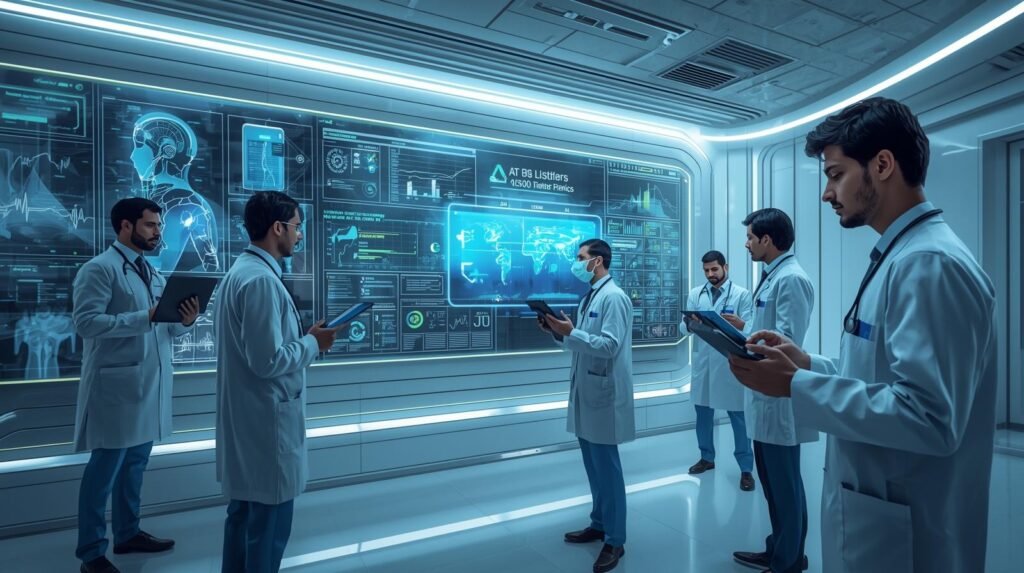
Digital Health Solutions can help hospitals and other healthcare providers work more effectively by improving communication across departments, reducing paperwork and administrative burden, and improving how patients receive care.
Rather than have a clinician type information into several different computer systems and/or use a paper-based medical record to document patient information, Digital Health Solutions allows data to be input into bedside devices, clinical applications, and the Electronic Health Record (EHR) at the same time and place where clinical decision-making is occurring.
IoMT has been identified as a key enabler for creating a safe and secure network of bedside monitors, smart beds, infusion pumps, ventilators, and wearable sensors that can all communicate with the Digital Health Solution.
In addition to automatically entering vital sign data into the EHR and eliminating the need for redundant charting and eliminating the opportunity for error when documenting, the Digital Health Solution dashboard, connected to bedside monitor data via IoMT, will enable nurses to quickly see if there are any trending changes and also to focus their time and attention on high-risk patients, rather than just those patients assigned to a specific room number.
#Empowering Smart Wearables and AI: How They Track Your Health
In addition to enhancing the quality of care for patients with Digital Health Solutions, these solutions help improve how organizations work. As an example, Real-Time Location Services enable the organization to track where equipment is located and if it needs to be cleaned, is being used, or is in need of repair.
IoMT-enabled pumps and medication systems also help streamline pharmacy workflow by significantly reducing order and administration mismatches. Additionally, Digital Health Solutions for Transport and Imaging Teams help coordinate requests, reduce wait times, and keep patients moving through the care continuum quickly and efficiently.
The impact of Digital Health Solutions on communication is substantial. The Digital Health Solution directs alerts to the correct role based on context (e.g., Nurse, Respiratory Therapist (RT), Registered Respiratory Therapist (RRT)) to reduce alarm fatigue.
The use of IoMT allows alerts to be generated by identifying trends across multiple signal thresholds. This makes escalations more relevant and timely. Furthermore, Digital Health Solutions for Bed Management will determine when patients are ready to leave their beds by combining admission, discharge, and environmental status information to enable faster patient turnaround.
Digital health solutions have the potential to provide a lot of value to hospitals and other healthcare providers; however, in order to get that value from digital health solutions, they need a strong foundation which includes a comprehensive list of all connected devices in their environment, established cyber security practices, role based access so that each user can only see information that is relevant to their job or responsibilities, and established and reliable integration standards such as HL7/FHIR.
Additionally, digital health solutions should be built to support and accommodate the workflows of the people who will be using them. This can include identifying alert owners, developing downtime procedures, and developing training programs for end-users.
If thoughtfully developed, taking into account the above considerations, digital health solutions can take fragmented workflows and turn them into a cohesive process, thereby reducing friction for hospital employees, creating greater transparency for hospital leaders, and ultimately improving the quality, efficiency, and safety of patient care provided through the use of IoMT and clinical integration.
IoMT Connectivity Technologies in Healthcare

Source: Cisco Healthcare IoT Guide
IoMT Devices: Smart Devices Powering Connected Care
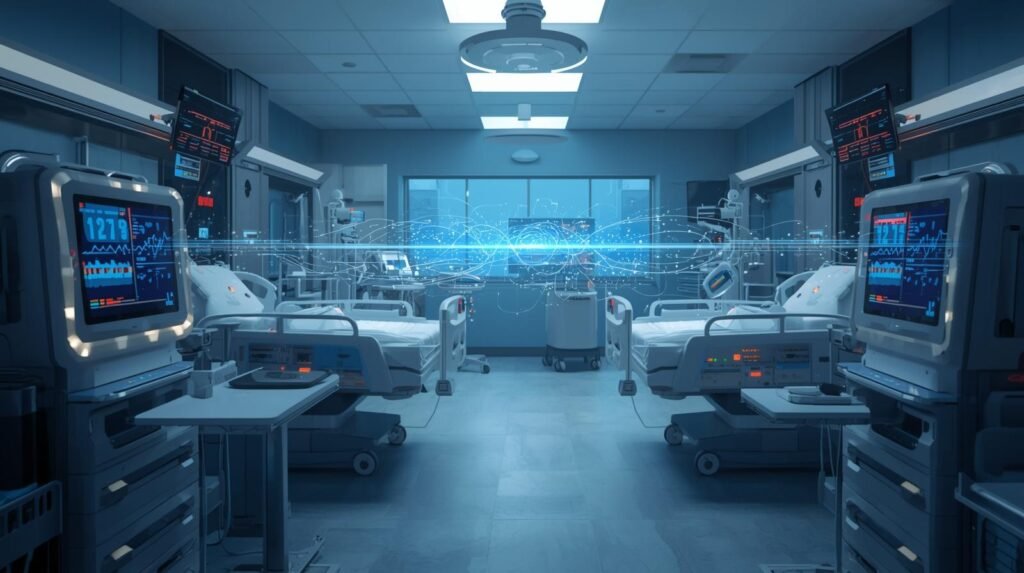
Devices in the Internet of Medical Things (IoMT) are intelligent medical devices that collect operational and patient data and securely integrate it with other medical and operational applications on hospital-wide networks.
IoMT devices enhance connectivity in healthcare by converting medical measurement data (e.g., heart rate, oxygen saturation, temperature) into actionable information, enabling clinicians to respond quickly. The capabilities of IoMT are realized through improved speed, reduced latency, enhanced monitoring, and safer, more efficient workflows across departments.
Common examples of IoMT devices include bedside vital-sign monitors, wearable ECG patches, pulse oximeters, smart infusion pumps, ventilators, and smart beds that use sensors to monitor patient movement and fall risk.
When a test result from medical imaging or point-of-care diagnostics is sent to a clinical platform for review, the equipment can also be considered as part of an IoMT ecosystem. Like all IoMT devices, these devices will automatically send readings to dashboards and the electronic health record (EHR), reducing clinicians’ need to manually document and allowing them to see trends over time.
Besides helping patients and making it easier for clinicians to decide on treatment, IoMT Devices help hospitals run more smoothly. Tags on asset-tracking devices placed on infusion pumps and wheelchairs will help users find lost items sooner, enabling them to use these resources more efficiently.
Environmental IoMT Devices can also be used to measure temperature, humidity, and air quality in sensitive areas, such as medication refrigerators.
Reports generated by sterile processing and biomedical teams will show usage, errors, and the need for maintenance of IoMT Devices; thus, they will be able to prevent downtime and ensure regulatory compliance.
The IoMT Devices, which are connected pieces of medical equipment, collect and share patient/clinical information with other departments through the secure hospital network. This network of connected devices improves care coordination by converting clinical measurements (e.g., heart rate, blood oxygen saturation, body temperature) into actionable data that enables quick clinician decision-making.
Examples of how this technology assists clinicians include: faster response times, better monitoring, and safer workflows within their department/unit.
Common examples of IoMT Devices include bedside vital-sign monitors, wearable ECG patches, pulse oximeters, smart infusion pumps, ventilators, and smart beds that alert clinicians to potential fall/movement risks. Additionally, imaging systems and point-of-care diagnostic devices may be included in an IoMT system if their results are shared on the clinical platform, where applicable.
IoMT enables medical devices to automatically upload data to electronic dashboards or health records accessible to your team. This is expected to save you and your team time on documenting patient care (charting) and allow you to see trends over time to improve patient outcomes.
In addition to patient care, IoMT can support hospital operational functions. For example, asset-tracking tags can be attached to smart infusion pumps and wheelchairs, helping staff locate equipment more efficiently and improve overall utilization.
Environmentally, IoMT can monitor temperature, humidity, air quality, and other conditions within the hospital, including areas where medications are stored in refrigerators, alerting you and your staff to any issues. Additionally, sterile processing and biomedical teams can access IoMT device reports on usage counts, errors, and maintenance issues, potentially reducing downtime and increasing assurance that you are compliant with regulations.
Security Risks in IoMT Systems

Source: Healthcare Cybersecurity Reports
IoMT Applications: Practical IoMT Use Cases in Hospitals

IoMT Applications are the practical, long-term uses of connected devices to improve the delivery of hospital care, enhance patient safety, and increase operational efficiency. IoMT enables a network of devices, applications, and clinical systems, thereby allowing healthcare team members to act upon timely and accurate information.
There are several IoMT applications that have the potential to significantly benefit hospitals and/or clinics if they clearly align with clinical objectives and demonstrate quantifiable improvements in workflow.
Continuous patient monitoring is currently one of the most common IoMT applications. The continuous monitoring of patients’ vital signs through the integration of multiple networked vital-sign monitors, wearable sensors, and smart beds provides an early warning system for changes in oxygen saturation, heart rate, or mobility, triggering an alert to the appropriate staff member(s).
The signals generated by these devices can also serve as the basis for creating dashboard reports and entering them into the electronic health record (EHR), reducing manual documentation by enabling clinicians to see trends in vital signs over time rather than a single point-in-time value.
In addition to Continuous patient monitoring, smart infusion pumps are another example of an IoMT Application that has demonstrated support for safe medication administration. Smart infusion pumps can interact with medication orders to enforce dose limits and collect automated data related to medication delivery. When smart infusion pumps are integrated with clinical platforms, IoMT enables rapid identification of issues in medication administration.
Most Operational IoMT Applications will have a “quick win” – for example, asset tracking (which allows hospital staff to rapidly identify and locate equipment, such as pumps, wheelchairs, and portable imaging units), resulting in reduced wasted time and rental costs.
The practical, day-to-day application of connected devices to support the delivery of hospital care, improve patient safety, and increase operational efficiency is referred to as an IoMT Application. An IoMT Application will connect a network of devices, software applications, and clinical systems, enabling healthcare team members to take appropriate actions based on timely, accurate data.
There are a few IoMT Applications that will significantly benefit hospitals when they are clearly aligned with clinical objectives and demonstrate meaningful workflow improvements.
One of the most commonly used IoMT Applications today is continuous patient monitoring. This involves using a network of connected vital sign monitors, wearable sensors and smart beds to continuously monitor patients’ vital signs. The early detection of changes in oxygen saturation, heart rate, or mobility through continuous patient monitoring will alert staff of these changes so that they may act quickly to respond to patient needs.
The data from these smart sensors can be used to develop dashboard reports and the electronic health record (EHR), and eliminate manual documentation of patient information; clinicians can see patterns in vital signs rather than simply seeing each value individually over time.
Another example of IoMT is the smart infusion pump, which has proven to help ensure safe medication administration. These smart infusion pumps may also automatically collect data on medication delivery by integrating with medication orders. Additionally, when linked to clinical systems, IoMT can rapidly identify potential issues in medication administration.
The majority of Operational IoMT applications will provide a “quick win”. This includes asset tracking, which allows staff to quickly locate medical equipment such as pumps, wheelchairs, and portable X-ray devices, saving time and money on rentals.
Remote Patient Monitoring: Real-Time Monitoring Beyond Hospital Walls
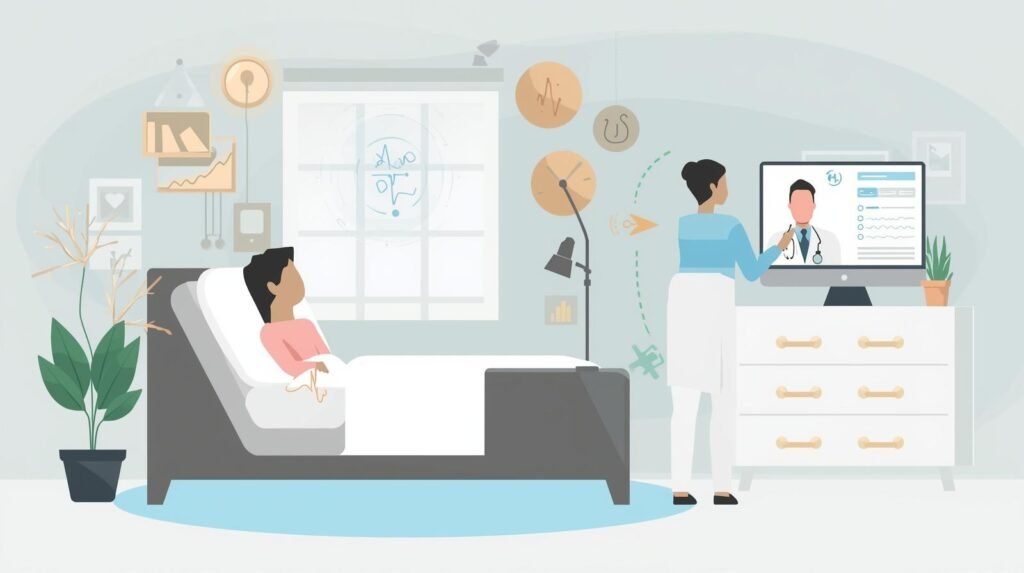
Remote Patient Monitoring is an electronic system that enables clinicians to monitor their patients between physician visits by collecting patient health information at home via remote electronic collection methods and forwarding the data to their care team(s).
Some common examples of devices used to collect patient health information include connected blood pressure cuffs, pulse oximeters, scales, glucometers, and wearable devices that measure vital signs at scheduled intervals (e.g., daily) or continuously. These devices are generally classified as part of the Internet of Medical Things (IoMT) ecosystem and collect vital-sign data, then forward it to a clinical platform for review and alerting.
In practical terms, remote monitoring is generally most effective when there is a clear definition of how remote monitoring will be utilized as part of a broader initiative to detect early deterioration, prevent readmissions, support chronic disease management, etc. Using the IoT capabilities of your clinical platforms, the patient readings can be automatically forwarded into dashboards that highlight trends, missed measurements, or values that fall outside of personalized thresholds.
Additionally, Remote Monitoring supports post-discharge recovery by enabling your team members to verify whether the patient is taking his/her prescribed medications, becoming more physically active, and showing fewer symptoms and/or an overall improvement in condition, without the need for constant in-person visits.
Effective remote patient monitoring programs detail the personnel who will be responding to remote notifications, as well as how quickly each notification will be responded to and what actions will be taken upon receipt of such a notification (i.e., call the patient, modify the patient’s medication regimen, schedule a televisit, etc., and/or send the patient to urgent care).
Many hospitals combine data generated by the Internet of Medical Things (IoMT) with symptom-based questionnaires and televisions to provide context and reduce false notifications.
Also, Remote Patient Monitoring has the potential to increase equity by providing user-friendly devices, clear instructions for use, and ensuring that assistance is available for both device setup and troubleshooting.
Remote Patient Monitoring must ensure security and privacy by encrypting data transmissions, enabling secure user identification, and implementing role-based access control. In addition, all IoMT devices require scheduled maintenance, including software updates, firmware updates, battery monitoring, and routine connectivity tests. Lastly, remote patient monitoring systems need to obtain patient consent, document it, and explain how they intend to store and use their information.
Teams using Remote Patient Monitoring can assess its effectiveness by tracking engagement (adherence rates), clinical outcomes (blood pressure/glucose levels), and utilization (ED visits/readmissions). If designed to fit both clinical workflow and patient experience, an IoMT-enabled Remote Patient Monitoring system is a practical means of extending care outside of the hospital setting while allowing clinicians to stay informed in “near real time”.
Remote Patient Monitoring (RPM) Benefits

Source: Science Direct Healthcare IoMT Study
https://www.sciencedirect.com/science/article/pii/S0010482525004937
How Does Remote Patient Monitoring Keep You Safer at Home?
Imagine that Maria has a heart condition that she manages with her doctor. Her doctor provides Maria with a smart blood pressure cuff and a smart scale. Each day when Maria uses these tools, the information is automatically and safely sent to her care team at the hospital. Therefore, she doesn’t have to do anything else, such as record the readings in a journal or contact her doctor. These are the concepts of “Remote Patient Monitoring” (RPM).
It is the constant flow of data from remote patient monitoring that enables RPM. Rather than viewing a picture of Maria’s health at one time during her monthly visit to her doctor, her nurse can view patterns emerge over multiple days (such as a rapid weight gain or an elevated blood pressure reading) and then contact Maria to adjust her treatment plan quickly enough to prevent a trip to the emergency room and keep her on track while at home.
“Telehealth and RPM (Remote Monitoring) are two completely different technologies. A Telehealth video call is a scheduled appointment with your doctor to discuss a particular issue. On the other hand, Remote Monitoring is essentially a ‘Smoke Detector’ that monitors and collects all your health data in real time, alerting you only when there is a problem. The main difference here is that one is for planned conversations and the other is for continuous automated watchfulness.
One of the primary goals of Remote Monitoring is to give you a sense of comfort (Peace of Mind), and proactive health care by using Smart Devices to gather information on what your daily life is like. So, what are wearable health sensors, and what can they detect?”
Example IoMT Workflow in Remote Patient Monitoring

Wearable Health Tech: Wearables Tracking Vital Health Signs
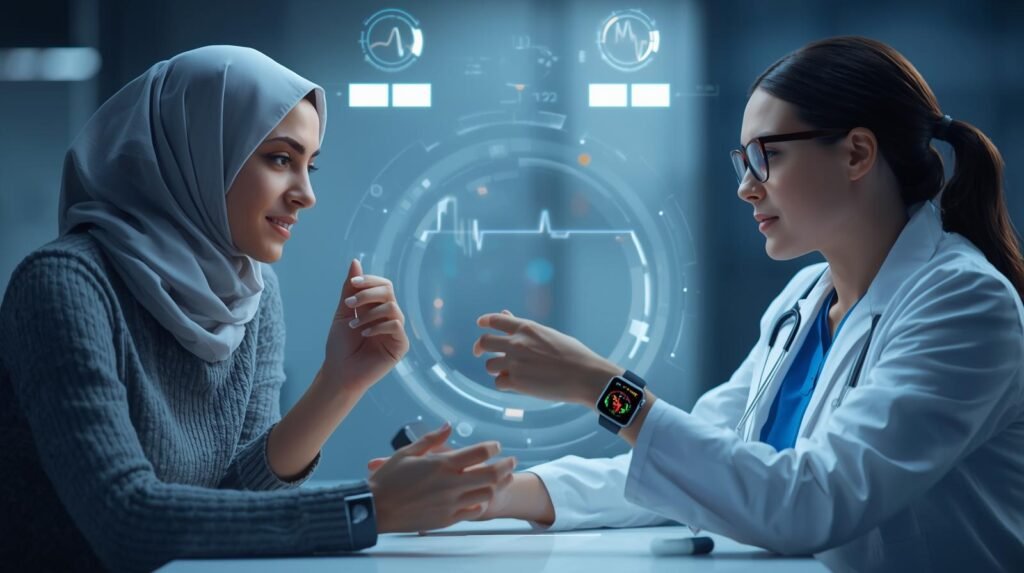
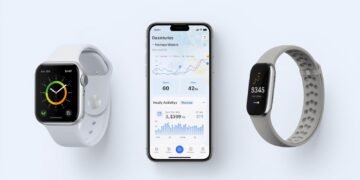
Wearable Health Tech has dramatically altered how healthcare providers and individuals assess and understand their own health by enabling continuous data collection on patients’ vital signs, rather than only when they visit their physician. An example of Wearable Health Tech would be a smartwatch, or an ECG patch, or a fitness band, etc., which can measure physiological responses of a patient, including, but not limited to, heart rate, arrhythmia, oxygen saturation levels in the blood, body temperature, sleep patterns, and activity level.
When Wearable Health Tech is connected to a hospital system, it becomes part of the IoT Medical Technology (IoMT) and translates continuous measures of a patient’s health into clinical signals.
Early detection via wearable health tech is supported in hospitals, where patients are tracked throughout the recovery process (post-procedure) and while they are walking/ambulating within the patient care unit. Trend-line data can be used instead of simply checking vital signs periodically to alert teams when a reading exceeds an acceptable value.
In addition to providing trending vital-sign information, wearable health tech can help reduce the number of cables for certain patients and increase comfort for others while still maintaining visibility of all patients for the nursing staff. The data collected from wearable health tech devices capable of ioMT (Internet of Medical Things), can be integrated into clinician dashboards and into the EHR (electronic health record). This allows clinicians to document their responses to patients’ needs more accurately and in a timely manner.
#Breakthrough Guide to Genomic Data and Why AI Needs It
With advancements in Wearable Health Technology, it is now possible to provide follow-up care beyond a hospital setting for patients that have chronic conditions such as heart failure, COPD, and complications related to diabetes; the technology also allows patients to use wearable devices to report their symptoms through check-in calls and/or video visits to add context to the numbers collected by wearable devices.
Wearable Health Tech will allow for early detection of potential problems in a patient’s condition – ie, decreased physical activity, elevated resting heart rate, low levels of oxygen saturation, etc.- so that the patient’s care team can intervene before an emergency situation develops; this should help to decrease the number of preventable readmissions to a hospital.
There are many factors to consider when determining whether Wearable Health Tech will meet your organization’s needs; both usability and safety concerns related to the reliable, secure transfer of data from wearable devices to healthcare providers must be addressed.
Hospitals and health care providers consider the validity of the sensors used, the evidence that validates the sensors, battery life of the devices, the ability of the wearable devices to provide accurate measurements while the user moves or when the user experiences contact issues with other objects in his/her environment, etc., as well as the overall governance of the Internet of Medical Things (IoMT). Examples include using encryption, authentication methods such as role-based access, and ensuring the patient provides informed consent prior to sharing their medical data.
Wearable technology can empower patients to develop greater awareness of their body systems and give clinicians a clearer picture of what occurred between visits. The growth of the Internet of Medical Things (IoMT) will enable wearable health technologies to deliver more proactive, connected, patient-centered care by providing personalized thresholds, smart alerts, and timely interventions for patients at risk of acute illness.
What Are Wearable Health Sensors and What Can They Detect?
Beginning as a basic RPM-measuring system using smart devices, this will expand into so much more. The “Wearable Health Sensor” is an extremely small device (example – a watch, patch, or clip) that applies this concept to your body. While a consumer-based fitness tracker may tell you how many steps you have taken, a wearable designed for a clinical setting, with FDA clearance to monitor your health status, is a medical-grade device for your doctor to use in monitoring your condition.
Thusly, these types of wearables can serve as a clinical tool for your physician to monitor and assess:
• Atrial Fibrillation (AFib)
• Sleep Apnea
• Fall Risks
• Seizure Activity
There are some very exciting examples of wearable sensors. For instance, the Electrocardiogram (ECG), which is currently available on several smartwatches, is one of the most innovative wearable sensors. A basic ECG provides only a single snapshot of your heart’s electrical activity. Thus, if you feel a rapid heartbeat or palpitations, you can quickly perform an ECG on your wrist.
A growing number of people will not even be aware that they have an arrhythmia, which is an abnormal heart rhythm. With an ECG providing doctors with data on irregular heartbeats (AFib), etc., the use of this technology is gaining popularity as an integral part of any modern guide to home health monitoring.
The wearables also act as a vital safeguard. In addition to tracking the heart’s electrical activity, there is emerging technology in watches and pendants that includes fall detection. When a fall is detected, and the individual wearing it does not respond, the device can call emergency services and notify the individual’s family.
This type of technology may give many older adults living alone some much-needed peace of mind. What happens if we want to monitor internally what is happening inside our own body? Could a Smart Pill actually help remind us to take our medication?
Common Wearable Health Sensors

Source: NIH & Digital Health Research
Can a “Smart Pill” Really Help You Take Your Medicine on Time?
We all know that experience: “Did I take my pill today?” A missed dose may be an annoyance for some, but it could potentially have serious consequences for those living with a chronic disease. Smart pill bottles are created to remind patients to take their prescribed medications.
These are simply ordinary plastic pill bottles; however, smart pill bottles contain reminder features such as lights, sounds, and/or mobile notifications. Additionally, if a patient misses a dose, many smart pill bottles will send notifications to a designated family member or caregiver, as well as to the patient.
This is a simple illustration of how smart pill bottles build on smart pill technology (also called ingestible sensors) to improve medication compliance. Ingestible sensors are small electronic devices embedded in a medication administered to the patient.
The sensors are about the size of a grain of sand. As soon as the sensor is ingested by a patient, it activates and sends information to a small patch adhered to the patient’s skin. The patch sends the data from the ingestible sensor to the patient’s physician, confirming whether the prescribed medication was taken. Ingestible sensors represent an important development in the field of Digital Therapeutics, which is a very new and rapidly developing area.
Smart pill bottles and ingestible sensors were both developed to help solve the biggest problem facing all healthcare providers today: getting patients to take their medications as directed. Medications work best when they are taken as directed, resulting in improved health outcomes for patients, fewer emergency room visits, and allowing doctors to assess what works well for each individual patient.
This same “smart” technology has also had a positive effect on patients with chronic conditions (asthma). What does this mean for people who have asthma?

How Do Smart Inhalers Help People with Asthma Breathe Easier?
The first time one of us has ever failed to take a pill — “I forgot to take my pill this morning” — was probably annoying to many of us; for those with long-term health issues, missing doses of medication could be serious. Smart pill bottles give you confidence in your ability to track whether you have taken your medication.
Smart pill bottles are containers that use light, sound, and sometimes a phone alert to remind you when it is time to take your medication. If a dose is missed, the smart bottle sends an alert to a designated family member or caregiver so everyone can be confident that you have taken your medication.
Smart pill bottles are a perfect example of how far technology has evolved in providing patients with reminders to take their medications. Ingestible sensors, also known as smart pills for medication compliance, represent a huge leap forward in helping patients take their medication. Smart pills for medication compliance are medications that contain a small sensor (about the size of a grain of sand).
Smart pill bottles can be activated when swallowed, triggering a signal to the wearable patch on the patient’s body; the patch then relays the signal to the patient’s doctor. This technology can help doctors see whether the patient has taken their prescription correctly, and it is one of the areas being studied in the emerging field of Digital Therapeutics.
Smart pill bottles and ingestible sensors have been developed to help alleviate the biggest problem the medical community is currently dealing with – getting patients to take their medications exactly as prescribed. When patients take the medication as prescribed, its effectiveness increases, thereby improving health outcomes, reducing hospitalizations, and enhancing understanding of what does and does not work. Smart inhalers that make it easier to breathe for individuals with asthma are the “smart” approach to assisting those with chronic diseases like asthma. Why are smart inhalers so beneficial for people with asthma?
What Happens When the Hospital Itself Becomes “Smart”?
Smart Hospitals have taken the concept of “Connected Care” far beyond what we do on our own devices and are transforming how hospitals function. Those same devices that we use will create a nearly invisible safety net for you while in the hospital. A perfect example of Smart Hospital Technology is the smart bed.
A Smart Bed is capable of detecting if a person who may fall from their bed is attempting to rise, immediately notifying a nurse and assisting in the prevention of painful pressure ulcers by monitoring the number of hours per day a patient sits or lies in the same position (thus allowing nursing staff to intervene using some form of preventative care).
The key advantage of connecting a variety of smart devices is that they can interact with each other. An example would be an IV pump connected to a patient’s smart band, which verifies the patient’s identification on the band before dispensing any medication to ensure it corresponds to the doctor’s electronic orders.
This has provided a vital component of patient safety and significantly reduced the risk of human error and of delivering incorrect amounts of medication at the wrong time.
For patients, a network of smart devices will provide a close-to-home, safe hospital experience and serve as a silent guardian, assisting doctors and nurses and providing an additional layer of protection to help prevent errors before they occur. So, when you connect the dots from your home to the hospital, what are the biggest advantages of having all of those connected devices?
Smart Hospital Technologies

Source: World Health Organization digital health initiatives
What Are the Top 4 Benefits of All These Connected Devices?
Connecting everything – your smart inhaler at home to your smart bed in the hospital – will allow for an entirely new way of thinking about managing your health. Healthcare has traditionally been reactive. You get sick, and you visit your doctor, and he/she treats you. Ultimately, the goal of integrating all these devices is to help you become a more proactive member of your own healthcare team. Each device lets you and your physician track your health trends, helping them detect most health problems before they develop or before you experience the associated symptoms.
In addition to being proactive about your health, there are several other significant areas where this technology can make an impact on healthcare, including:
- Proactive Health: With products like smart glucose meters, you can recognize early warning signs in your body before they become emergencies requiring a hospital visit, and adjust your daily routines to avoid them.
- Safer Healthcare: Smart Hospitals have numerous automated systems that verify medication and track patient data, reducing opportunities for human error and creating a stronger safety net for patients.
- Greater Convenience: Remote Patient Monitoring (RPM), allows you to do some basic checks-in with your doctor through technology from the comfort of your home and reduce the number of times you will be required to go to the doctors’ offices and allow you to take control of managing your health at home.
- Better Accuracy: Through connected devices in healthcare, both you and your physician are able to see a clearer picture of your overall health, rather than just one snapshot during your yearly physical exam.
By using new technology designed to improve your ability to receive care (and allow you to make choices regarding how your care will be delivered), you now have more control over the way your healthcare decisions are made. Using devices that access your personal health information allows you to actively participate in your care (not just passively as a patient). At the same time, there is a major issue with the security of your private health information on these devices.
Future IoMT Technology Trends

Source: Healthcare IoT research reports
Is My Private Health Data Really Safe with These Devices?
It is natural to ask: If my personal health information is accessible online, how can I be certain that some hacker(s) won’t access it? The concern about protecting patients’ digital health information privacy is valid and falls into one of two broad areas: first, that hackers will obtain your stored online personal health information; or second, that hackers will alter/modify (i.e., tamper with) your device.
The most common threat in medical device cybersecurity is data breaches, as seen at major retail companies. Data breaches involve a hacker attempting to gain unauthorized access to a health care provider’s server, where the provider stores its patients’ data, to extract large quantities of patients’ names, birthdate(s), and medical condition(s).
While hackers may believe your data has value, a data breach is the theft of information rather than directly causing physical injury. Data breaches occur across all types of digital economies and not just within the healthcare sector.
The first category of risk is the possibility that hackers could remotely access and use a medical device for malicious purposes. However, while this is possible, the chance of it happening is lower. The FDA and manufacturers also take this type of risk very seriously because of the serious potential consequences if this were to happen.
To prevent this, the primary goal of medical device design is to limit or eliminate unauthorized access to the device. There are many concerns regarding unauthorized access to medical devices; therefore, numerous efforts have been made by medical device manufacturers and regulatory agencies to develop devices with enhanced security measures to limit access to the device to the user and/or the user’s physician.
How Is Your Medical Data Protected? The “Digital Armored Car” Analogy
A good question to ask when considering the risks of sending your personal health information over public networks is: “What will keep hackers from getting my personal health information?” One way to think about this is to compare your personal health information to your credit card number: you would not send your credit card number on a postcard via the postal service. Just as you would not send your credit card number on a postcard to the postal service, you are not sending your personal health information out into an open network.
All the time your personal health information is leaving your computer or other device, it is being encrypted so that even if someone were to intercept it during transmission to your healthcare provider, they could not read it.
HIPAA (the Health Insurance Portability and Accountability Act), the federal law governing patient privacy in digital health care, is another way to keep your health information safe. The HIPAA law defines how your personal health information is to be kept, stored, and protected.
The above statements clearly outline why HIPAA compliance is critical when creating both Mobile Apps and Medical Devices and what happens if they are not compliant with HIPAA regulations. Failure to comply with HIPAA guidelines for mobile health applications can result in substantial monetary fines. Therefore, there is a very strong deterrent for companies building mobile health apps to protect their data.
As a result of these deterrents, Cybersecurity for Medical Devices requires a layered approach to defend against a multitude of different attack vectors. First, the manufacturer implements security measures on the Medical Device to prevent unauthorized users from accessing the data stored on the device. Second, the data transmitted from the Medical Device is encrypted in transit across the network. Finally, the Server located at the Healthcare Provider has robust security systems in place to protect the data upon arrival.
While manufacturers and government agencies have established some of the fundamental security layers, the ultimate success of those layers depends on an active user. A user’s Internet activities directly threaten the security of their own information.
Top Healthcare Companies Leading IoMT

Source: Global IoMT market report
https://www.globenewswire.com/news-release/2025/11/17/3188959/28124/en/Internet-Of-Medical-Things-IoMT-Global-Market-Opportunities-and-Strategies-Report-2025-2034.html
What Is My Role in Keeping My Health Data Secure?
What are some ways you can play an active role in protecting yourself and your digital health information? To begin with, it doesn’t matter whether or not you have experience with technology. As long as you make the effort to follow a few common-sense steps, you will be able to keep your personal information safe from hackers and other malicious individuals. These should be considered as a set of safety rules you follow for maintaining your digital health, similar to how we wash our hands to maintain our physical health. There are also three basic things you can do to increase the overall security of your digital health:
First, use a different password for every health application or patient portal that you register with. If you use the same password for all of them, you’re essentially using the same key to open your house, your car, and your office. Second, be cautious when registering with free applications designed to promote wellness. Most of these applications are not subject to the same HIPAA compliance regulations that apply to your doctor’s electronic health records system. Take a moment to review the privacy policy before linking your wearable health monitoring device to the app.
Lastly, if available, use Two-Factor Authentication (2FA) on your patient portal accounts. 2FA is a method of authentication that uses two factors to log into your account. One factor is your password (your first key), and the other is a temporary, single-use code sent to your mobile device. While this may seem like a minor step, 2FA adds another layer of security that protects you from unauthorized access to your patient portal account and helps keep your protected health information private.
What is the Role of AI in This Connected Future?
“Physicians are unable to monitor the continuous stream of readings from medical devices by themselves; we rely on artificial intelligence (AI). Artificial Intelligence (AI) in medicine is not the robot assistant you see in science fiction movies, but instead is a skilled assistant to your healthcare team.
The AI system is able to quickly review thousands of health reading results to identify any reading(s) that may need your physician’s attention. An AI system can do this by analyzing large amounts of data, allowing the healthcare team to focus on what is most relevant to them rather than getting lost in the “noise”.
Another benefit of AI is its ability to identify trends in large datasets that humans could not possibly see. If your blood pressure is consistently within normal limits but has increased slightly each day for a week, the AI system will detect a trend and alert the doctor. The Doctor will then take action before what was once a minor issue develops into something much worse.
The AI system identifies potential health problems; it is up to the physician to make a diagnosis and decide on the treatment plan. Therefore, AI systems are not meant to replace the role of Physicians, but rather to assist them in identifying potential issues at their earliest stages so that they may be treated before becoming more serious conditions. The use of smart technology, paired with human knowledge and expertise, is revolutionizing how connected medicine will function, enabling a new level of personalized and proactive care unlike ever before.
What’s Next? A Glimpse into the Future of Connected Medicine
The possibilities for the Medical Field with the emerging technology of “connected medicine” go far beyond merely adding another alert to the list sent to the patient. There is potential to develop entirely new treatment options. The most promising examples of these are called “Digital Therapeutics.” They are simply a type of prescription in which, instead of prescribing medication, you prescribe user access to a clinically proven application or software.
Using the definition of Digital Therapeutics above we can imagine a physician writing a prescription for an application on a smartphone that contains interactive educational lessons to assist in managing an anxiety disorder, or a program that provides users with guided physical therapy from their own homes through the use of their own devices.
Another example of how connected medicine can grow is through the continuous flow of health-related information from the Internet of Medical Things (IoMT), which may enable the design of truly personalized care based on each patient’s unique body characteristics. Today, many treatments are developed from averages. In contrast, with to fit your specific needs.
Beginning of Text A good example of this would be a smart insulin pump. It doesn’t just respond to your blood glucose levels at the present time. In addition, it has learned your body’s habits over time. It uses this information to adjust your insulin delivery based on your sleeping habits, diet, and activity level. With this type of technology, we can move from a one-size-fits-all model of healthcare to one specifically designed around each of us as individuals.
The largest, and possibly most significant, change in connected medicine will be the shift from treating illness to proactively maintaining wellness. The goal of connected medicine will no longer just be to help you get better when you become sick, but to give you and your physician the tools needed to keep you healthy in the first place.
Your healthcare team will now have access to continuous, non-invasive monitoring of your health and well-being as part of your regular daily routine, rather than during scheduled medical appointments. Once you see the potential of connected medicine, you will likely find it easier to start talking about its potential for your own personal care.
How to Talk to Your Doctor About IoMT
What was once a perceived large world of medical equipment has evolved into a new world that allows you to interact directly with your own health through the Internet of Medical Things. You have moved from being aware of a buzzword to having an educational experience that now helps you understand how this technology works (it should never be used as a replacement for your doctor) and how it can improve your relationship with your doctor. This will allow you to be more proactive in your health.
When you go back to see your doctor, you will feel empowered and confident discussing whether there are opportunities to improve patient care through technology. It doesn’t mean you want a particular device; rather, you want to take a more active role and give your doctor a clearer picture of your health when you’re in their office.
Would you like to start the conversation? Ask your doctor about the basics of home health monitoring:
- Does a remote monitoring system exist for my medical condition?
- Do you have any recommendations for mobile apps or equipment I could use to monitor my health at home?
- If I choose to use a device like the one mentioned above, where will the information entered into it be sent, and how will my information be kept private?
The technology itself is just a tool, but it gives you the opportunity to better communicate with your healthcare team, and ultimately to make educated decisions. Asking these questions not only provides you with new choices but also enables you to transition from a passive patient to an empowered, involved patient in your care.












Comments 2