























The realm of artificial intelligence (AI) encompasses an increasingly broad range of technologies and applications that continue to evolve and transform with each passing year. The numerous exciting aspects of AI have generated a wide range of topics. One such topic is generative AI, which may be the most interesting and promising area of AI. If you are wondering what generative AI actually means or how machines can create original content, the paragraphs below discuss the basic concepts of generative AI and the methods by which it operates. We will also present our thoughts on the vast implications of generative AI across a number of industries and sectors.

Summary
AI generative models use large amounts of data to generate original content (images, music, video, and/or text) by learning from the patterns in the data used to train the model. The core techniques driving these models are Generative Adversarial Networks (GANs), Variational Autoencoders (VAEs), and transformer-based models. These techniques drive a range of applications across creative processes, product design, advertising, games, and immersive virtual and augmented reality.
Commonly referenced model types include language models (e.g., GPT), image generation models (e.g., StyleGAN, DALL · E), and music generation models; however, we are increasingly seeing cross-model combinations. However, there are still many challenges, including ensuring the quality of generated content, resolving copyright and ownership issues, and mitigating bias. Ultimately, future advances will enable more sophisticated, industry-specific models that prioritize ethical considerations.
Generative AI (also referred to as Generative Models) uses algorithms or models to generate content that mimics human-created products, such as text, images, music, and video. Traditional AI focuses on pattern recognition and prediction, while generative AI creates original content.
#How Image Recognition Works: From Pixels to Intelligent AI Decisions
Generative AI
Defining Generative AI
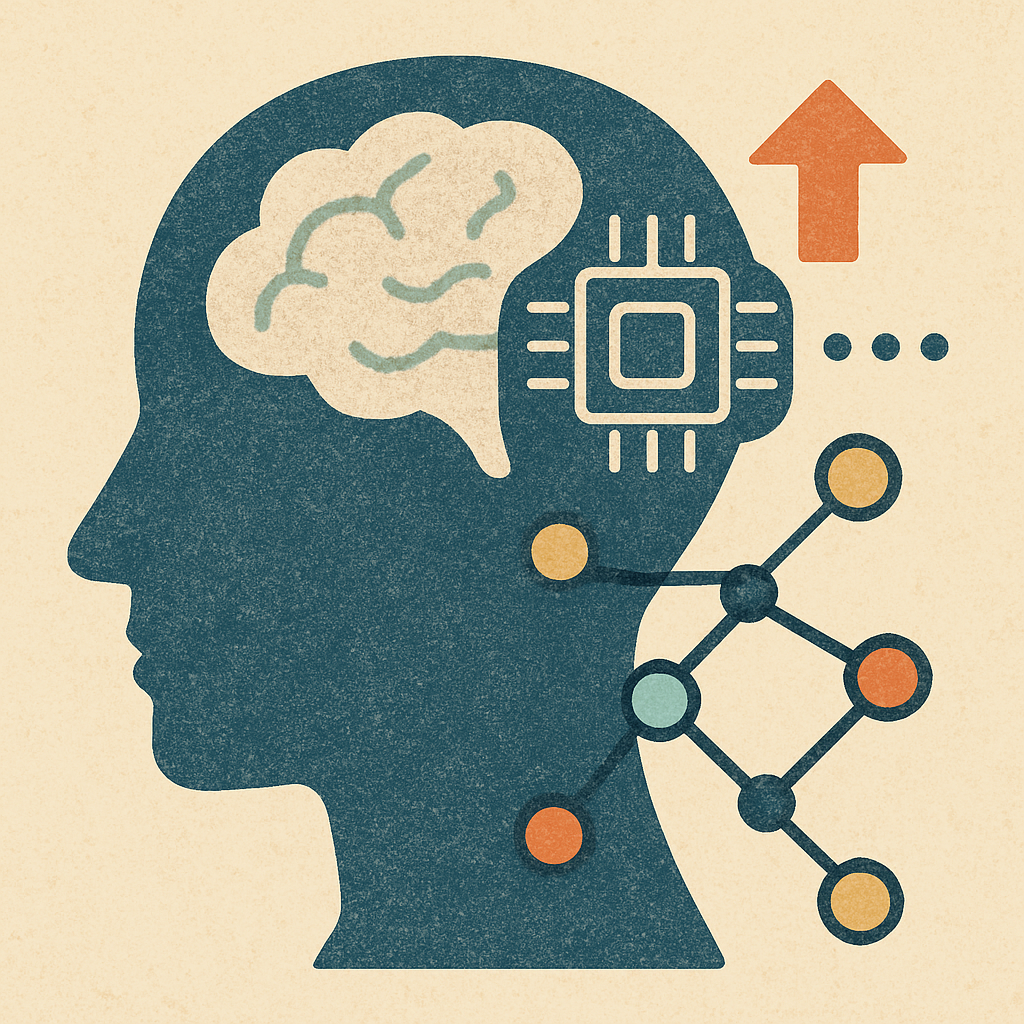
Generative AI is a general term for many types of Artificial Intelligence technologies capable of creating new data (content), rather than simply processing/analyzing existing data. Generative AI uses sophisticated models to identify complex patterns in the data it is trained on, then applies this knowledge to generate new data (original content) based on those patterns. Generative AI’s defining characteristic is its ability to generate new outputs that fit within the parameters set forth for those outputs, thus generating products that are both novel and appropriate/relevant to the context in which they were created.
Historical Context
The concept of machines creating content is not new; it dates back to the early days of computing. One example is that computers have always been able to generate shapes and random numbers through algorithms. The shift from creating random output to creating content with real meaning began many years ago.
This shift was due to advancements in machine learning methods and in computer capabilities. Specifically, the emergence of neural networks and other advanced algorithms enabled generative AI to move from simple content generation to the creation of works of great sophistication that are often indistinguishable from those generated by humans. Today, generative AI produces sophisticated works, often very well crafted and difficult to distinguish from human-created content.
Key Differences from Traditional AI
Artificial Intelligence (AI) traditionally focuses on data analysis, interpretation, and the use of that information to find insights or make predictions based on patterns in the data. Traditional AI uses big data to analyze large datasets and to inform business decisions. Generative AI is a much newer form of AI that focuses on creative thinking and generating new concepts.
Where traditional AI could guess the next word in a sentence based on previous words it has seen, generative AI can generate entire sentences, stories, etc., from scratch, showing even greater imagination than traditional AI. This shift from merely analyzing existing data to creating new content will have a profound effect on how we think about and measure the capabilities of AI systems, as well as on the many ways they can assist and potentially disrupt multiple industries.
How Does Generative AI Work?
Generative AI is built with complex AI models primarily based on machine learning (ML). Generative AI model(s) learn from large datasets and recognize/identify patterns and structural elements in the data. After being trained on the data, generative AI models can create new content by imitating those identified patterns.
Machine Learning Foundations
Generative AI is an extension of machine learning technology. There are many types of generative AI models, created using large, diverse datasets, enabling them to learn the multitude of patterns and structural elements in the data. A generative AI model analyzes massive amounts of data to understand all of the fine and complex details of what it is trying to produce.
For example, a generative AI model understands the rules of a language’s grammar as well as the aesthetic principles of art. Learning these models is computationally complex and requires adjusting millions of parameters across multiple training sessions. Therefore, after completing the significant learning process the generative AI model can create content that closely resembles the patterns and structural elements it learned.
Generative Adversarial Networks (GANs)
Generative Artificial Intelligence employs one of the most commonly used methods, Generative Adversarial Networks (GANs), to generate artificial information. Two independent neural networks are components of GANs: a generator and a discriminator. While the generator produces new content (i.e., images, text), the discriminator assesses it to determine whether it is authentic and realistic. In essence, the primary goal of the generator is to develop content that is so similar to actual data that it cannot be differentiated from it. Conversely, the discriminator’s task is to identify all generated content developed by the generator.
In this ongoing cycle of competition and feedback between these two networks, the generator constantly improves and refines its output, allowing the creation of increasingly realistic content over time. The cyclical nature of this competitive and adversarial dynamic mirrors a persistent form of creative struggle (a type of tug-of-war) as one side of the struggle continues to push against the other side. Ultimately, this dynamic establishes new boundaries for what artificial intelligence can achieve, creating opportunities for the exciting development of AI’s capabilities.
Other Key Techniques
One such method, the Variational Auto-encoder (VAE), is a type of generative AI model. VAEs have a special use case in which their training data generates new data that is highly similar to the original dataset from which it was learned. For example, VAEs can be used to generate images and videos by producing large amounts of high-quality content. The ability of VAEs to generate high-quality content has been particularly well-suited to applications in which image and video content are produced.
Another key group of Generative AI models is the transformer-based models, including GPT. While applicable to all forms of generative AI, these models excel at text generation because they use a “predict next” approach, aiming to predict the next word in a sequence based on previous words. Using each word as a reference point for predicting what comes next helps them produce coherent, contextually appropriate text.
As such, the multitude of methodologies available for creating these models illustrates the wide range of strategies employed in this domain. Furthermore, the fact that each methodology is designed to perform best for a specific type of content generation demonstrates the adaptability and innovative spirit of this rapidly growing area of technology.
#What Is Computer Vision: How AI Smartly Sees the World
Applications of Generative AI
There are many ways that Generative AI is changing how different types of businesses operate. Here are some important ways that Generative AI is impacting business operations:
Content Creation
Content Creation is one area where AI is generating significant interest. There are tools now that can use generative AI to create all sorts of content: articles, music, artwork, etc. Using generative AI, it is possible to train an AI model on vast amounts of analyzed data to develop a narrative into a coherent article.
Journalism and Publishing
Generative AI is also used to automate content creation in journalism and publishing. With the advent of generative AI tools, companies today use them to compile financial reports, summarize sports, and create basic news articles from data feeds, producing easily readable content. Journalists can then focus their time on developing more complex news stories, while leaving routine reporting to AI. Additionally, many publishers are exploring the use of generative AI to create content for both fiction and non-fiction books, seeking new ways to tell stories.
Visual Arts and Design
Generative artificial intelligence is opening new creative avenues for artists and designers by helping them produce imaginative, innovative designs and works of art. Generative AI can help artists create novel pattern designs, logos, and even complete digital artworks. For example, this technology allows artists to test different design and style options that may be too time-consuming or impossible to achieve manually. This allows for a greater range of artistic possibilities.
Advertising and Marketing
This also helps advertisers and marketers create customized messages for targeted marketing campaigns. By using consumer data, AI models can create customized ads, social media posts, and even video ads specifically for their target audience. This enables greater audience interaction and better campaign results. The use of generative AI is changing how companies communicate with their customers.
Design and Art
Generative AI is used by artists and designers to create unique, innovative designs and artwork. Generative AI will enable designers to generate unique patterns and logos and to create entire pieces of digital art.
Fashion and Textiles
In the fashion industry, generative AI is being used to design clothing patterns and textiles, enabling rapid prototyping and experimentation with new styles. Generative AI can generate thousands of design options to help a designer envision their concepts and make informed choices. The designer’s design process will be faster, and the product’s production will be more sustainable through trend forecasting and the optimal use of materials.
Architecture and Interior Design
Generative AI is being utilized by Architects and Interior Designers to create Building Designs and Layout Plans. The ability of AI to generate numerous design layouts based on input parameters (such as site size and environmental conditions) provides Architects with a range of options when developing innovative, functionally effective buildings.
Gaming
Generative AI has also been adopted in the Gaming Industry to enhance the gaming experience. This enables game developers to create dynamic Game Levels, generate realistic Characters, and develop game narratives. In addition to saving development time, the use of Generative AI creates an immersive experience that keeps the gamer engaged.
Procedural Content Generation
The use of Generative AI has evolved into procedural content generation, enabling unlimited possibilities and endless replayability through AI-generated levels or environments that respond to user interaction. The ability of AI to generate new levels or environments based on user interaction also drives high user engagement, as users experience unique experiences during every playthrough.
Non-Player Characters and Storylines
AI-generated non-player characters (NPCs) and even storylines have added complexity and depth to game narratives. AI can generate NPCs that appear realistic and exhibit diverse personality types and backstories, thereby enhancing realism and immersion in games. Also, AI can generate storylines that evolve based on the player’s decisions within the game, providing a highly dynamic narrative experience that changes with their actions.
Virtual Reality and Augmented Reality
In addition to transforming how we create media, generative AI is also changing how people experience virtual and augmented reality by generating more realistic, interactive experiences. This enables the development of realistic, three-dimensional (3D) models and detailed textures that enhance the user experience in both Virtual Reality (VR) and Augmented Reality (AR), ultimately improving their realism and engagement. Generative AI is used today in training simulations, entertainment, and education; as such, it has the potential to provide virtually limitless opportunities for users to explore virtual worlds.
#NLP: Powerful Ways of Effectively Teaching Machines to Truly Understand Us
The Role of AI Models in Content Generation
The core of generative AI is AI models. The AI model is trained on large datasets, enabling it to identify and replicate complex patterns. Below, we will review several popular AI models being utilized in content creation:
Language Models
The primary function of language models is to create written content. GPT (Generative Pre-trained Transformer) is one such model and has gained popularity for its ability to generate human-like written content. Language models can be used to write essays, answer questions, or participate in conversations.
Evolution of Language Models
Early versions of language models were primarily focused on developing simple text prediction techniques. The architecture of modern language models, including GPT, employs deep learning and transformer architectures to capture the semantic implications of each word in a sentence, enabling the generation of highly coherent text that emulates the complexity of human language. As a result of this technological advancement, language models have expanded their use to content creation (e.g., writing articles and blogs), translation, and chatbot development.
Recently, AI-based image generation systems, particularly those based on StyleGAN and DALL-E, have been quite successful in applying their capabilities. These advanced systems have demonstrated the ability to generate highly realistic, high-quality images across a broad spectrum of subjects (e.g., highly detailed images of people and/or highly beautiful landscape images).
The use of substantial amounts of data from a large variety of images to train these systems enables the models to learn how to reproduce a variety of attributes/characteristics of each subject that they were trained on; therefore, the ability of the models to create new images that are very similar to “real” versions of the same subject is enabled.
Image Models

Recently, AI-based image generation systems, particularly those based on StyleGAN and DALL-E, have been highly successful in their applications. These advanced systems have demonstrated the ability to generate highly realistic, high-quality images across a broad spectrum of subjects (e.g., highly detailed images of people and/or highly beautiful landscape images).
The use of substantial amounts of data from a large variety of images to train these systems enables the models to learn how to reproduce a variety of attributes/characteristics of each subject that they were trained on; therefore, the ability of the models to create new images that are very similar to “real” versions of the same subject is enabled.
From Pixels to Pictures
These image models can convert raw pixels into an actual image with all its characteristics by learning from a wide variety of visual data. Image models do this by closely examining diverse visual patterns (e.g., color, texture, and composition) to learn to either reproduce an existing image or generate something entirely new. The ability to produce these visuals using technology is not limited to realistic images; it can also create abstract art and new, experimental forms. This has created a range of interesting creative options and avenues in the digital art world.
Combining Text and Image Generation
Technology has advanced dramatically recently, enabling the combination of image and text generation. In essence, this has enabled artificial intelligence models to generate an image from a written description. An excellent example of this type of technology is DALL-E, which demonstrates the efficiency of cross-modal generation. Therefore, recent advances in this area offer opportunities for new forms of interactive storytelling and for generating personal content through the visual representation of written language.
Music Models
AI has the potential to produce music. Models can be trained on a wide variety of pre-existing music, enabling them to generate new music and music across multiple styles or genres. Many musicians/composers now use AI in music production to explore new creative possibilities and create music they might never have produced without it. The integration of AI into music production provides all artists with the opportunity to express themselves creatively and to discover new ideas and perspectives in their work.
Learning the Language of Music
Music models build an appreciation for music’s language by studying the elements present in many pieces. Music models study several important elements of music, i.e., structure, rhythm, and harmony; all of these are key components of a piece of music.
The music model studies these elements to learn to identify and understand the patterns/motifs present in numerous pieces of music. Once a music model has identified musical patterns and motifs, it can produce original pieces that reflect the guidelines and principles it has studied and offer new and engaging ways to engage music listeners. The music models’ process of learning the patterns/motifs of music produces music that is both innovative and closely connected to music traditions with which listeners are familiar and enjoy.
Collaborative Creativity
As a collaboration tool for musicians, AI can be a valuable source of inspiration, helping generate many new ideas. Musicians can use AI-generated motifs or themes as an inspiration for creating their own original compositions. The combination of human creativity and AI’s innovative capabilities makes it easier for both parties to express themselves in ways they could not on their own and to create something entirely new. As a result of this collaboration, composers will be presented with opportunities to explore different sounds and possibilities they would not have considered prior to its creation. This innovation will encourage experimentation and push the boundaries of what is possible in music composition.
Generative AI in Live Performances
This has the potential to affect live performance, with live music as an example; it can generate either music or video content in “real time” and is therefore influenced by audience interaction and the show’s surroundings. The ability of generative AI to create dynamic experiences during live performances fosters an immersive atmosphere that extends beyond what the audience typically expects from such events. The combination of the artist’s vision, creativity, and the technological capabilities of generative AI creates a unique experience for the audience, offering more opportunities to engage with the performance and the overall event.
Challenges and Ethical Considerations
Generative AI is extremely powerful as a tool, but it has both obstacles and ethics associated with it:
Quality Control
It is important to ensure that the quality of AI-generated content meets our expectations. Although artificial intelligence can generate impressive and useful results, the generated content may lack coherence across all areas or be completely inaccurate. In other words, the information may not be totally clear or correct. Therefore, it is quite common for humans to review, edit, and approve the content created by an AI. By reviewing, editing, and approving the generated content, the humans involved help ensure that the final product meets the expected quality standards and achieves the intended goal.
Balancing Creativity and Quality
When generating content with artificial intelligence, one of the primary challenges is balancing creativity with quality. AI-generated content may be original or innovative; however, for it to meet user expectations for coherent, relevant, and high-quality output, effective management and oversight of the AI’s output are needed. Ensuring that AI-generated content meets the desired goals typically involves an iterative refinement process: continuous review and adjustment of the output. This process often involves some degree of human intervention, as humans can provide insightful and beneficial feedback to refine the output and achieve the envisioned goals.
Copyright and Ownership
Ownership of content produced by Artificial Intelligence (AI) raises complex questions about the rights to such products and their copyright. As AI’s capabilities improve and it produces more original works, determining who has rights to them will pose both legal and ethical challenges. These complexities arise because current copyright laws do not provide adequate structure or support to address the unique nature of AI-generated works, as well as the new role of creators in their creation.
Navigating Legal Frameworks
The current legal framework has serious shortcomings in addressing the complex issues surrounding the ownership of all forms of content created by artificial intelligence. Traditional copyright law was developed for human creators; as a result, it leaves significant gaps when applied to works generated by AI systems. There will be increasing demand for legal standards as the use of artificial intelligence expands across many areas of society; these standards should clearly identify the nature of AI-generated content and how the rights associated with that content should be defined.
In addition to defining these rights, it is important to establish clear definitions of creator and user rights in this emerging area of law. Therefore, to protect both creators and users, it is necessary to develop and implement new laws and provide guidance to those affected by the evolving field of artificial intelligence.
#AI Language Models Explained Clearly Without Coding
Bias and Fairness
Generative Artificial Intelligence models are often trained on previously collected data, which can lead to unfair or biased outcomes. It is therefore very important for us to be aware of where biases exist within the model and the data, identify them, and take action to correct them, thereby ensuring fairness and balance and promoting equality and inclusion in the generated information. [1]
Understanding Bias in AI
The basis for bias in artificial intelligence lies in the data used to train the model. If the data reflect the same social biases and/or stereotypes as those present in society today, the model will incorporate them into its output when generating predictions from its training data. This is dangerous because the AI could inadvertently perpetuate harmful social attitudes toward specific groups. To successfully address social bias in AI systems, we must understand the source of our data and the process by which it is collected.
We must also develop and implement strategies to mitigate bias in the models. It is imperative that we do so in order to ensure the fairness and equity of the output created by an AI system, as well as to provide the opportunity for AI systems to include the multiple perspectives of the entire population.
The Future of Generative AI
The future of generative artificial intelligence (AI) holds great promise and numerous potential outcomes. The more successful we are in advancing this area, the more sophisticated AI models should become, capable of producing content that is both realistic and imaginative. These developments in AI technology may provide a myriad of new opportunities and uses in several different industries; for example, in the entertainment industry, it could help tell more compelling stories and develop more creative ideas, while in the health care industry, it can aid in research, diagnostics, and medical treatment tailored to the individual.
Advanced AI Models
Future developments in Generative AI will lead to models with greater, more complex capabilities than previous models. The increased sophistication of these models will provide for the generation of a much broader spectrum of content types, including content that is significantly more nuanced and complex. Thus, future developments will enhance the use of Generative AI across numerous industries and in daily life.
Future improvements in computational capabilities will enable the development of larger-scale AI systems capable of generating large volumes of high-quality, highly realistic content. These technological advancements will open significant avenues for innovative and creative applications of AI, expanding its use in daily practice.
Generative AI will continue to develop, providing new technologies and opportunities for creators, companies, and consumers. However, by developing solutions to the problems and ethical issues related to Generative AI, we can harness its potential to drive innovation and creativity.
Industry-Specific Innovations
Generative AI is expected to improve a number of fields by providing customized solutions for particular industries. For example, in the health care industry, customized diagnostic tools that account for each patient’s specific needs are expected to be developed. In addition, this is expected to enable the creation of an interactive educational system that adapts to each student’s learning style. The transformative capabilities of this will revolutionize how companies operate, enhancing operational efficiency and effectiveness.
As generative AI focuses on applications that meet the specific needs of particular industries, it may drive major changes and open new opportunities for economic growth and development that were previously impossible.
Conclusion
Generative AI is transforming how we create and use content, whether in producing art and music, generating text, or designing. The creative boundaries being pushed by Generative AI are vast; thus, it is crucial to consider both its ethical implications and the innovation it brings, so that all people benefit from its power.
The Path Forward
To summarize, Generative AI is not simply a technological advance-it is also a vehicle for creativity and discovery. The future is limitless for what will be possible with Generative AI if we create an atmosphere of innovation that allows us to have an open dialogue regarding the ethics surrounding Generative AI, thereby allowing Generative AI to continue to be a powerful force for good and continue to drive positive change and empower the people and industries around the world.
Continuing the Conversation
The continued growth of generative AI will require the ongoing conversation and collaboration between all stakeholders to understand both the potential and challenges of generative AI. Ongoing conversations about the potential and challenges of generative AI will help us navigate this rapidly evolving technology together. Open dialogue and collaborative learning are key to realizing the potential of generative AI and to moving forward and developing an endless future.