











Generative AI & LLMs
Generative AI & LLMs covers systems that create text, images, software code, summaries and other outputs from user instructions and supplied data. This NezzHub subcategory helps technology leaders, business owners, IT managers, professionals and students evaluate these systems beyond demonstrations and promotional claims.
The coverage examines generative AI applications, large language models, enterprise architecture, implementation cost, content workflows, security and responsible AI deployment. It also explains why generated output requires evaluation, governance and appropriate human review.
Explore Generative AI & LLMs
Generative AI describes systems designed to produce new content based on patterns learned during training. Large language models are a major class of generative systems that process and generate language using the context provided in a prompt or connected information source.
Readers seeking a broader foundation can visit the AI and Machine Learning category. It connects generative systems with neural networks, machine learning methods, development platforms and enterprise governance.
Major subjects covered in this subcategory include:
- Large language model capabilities and limitations
- Prompt design and structured content workflows
- Retrieval-augmented generation and enterprise data
- Model APIs, cloud services and application integration
- Output evaluation, monitoring and human review
- Security, copyright, privacy and responsible use
Business and Enterprise Applications
Organizations may use enterprise generative AI for document summarization, knowledge retrieval, customer-service assistance, software development and internal content preparation. A useful implementation begins with a defined workflow, approved data and a measurable standard for output quality.
The Generative AI content-creation guide examines how modern systems can support writing and media workflows. Generated material still requires factual verification, editorial review and appropriate intellectual-property checks before publication.
Generative AI is not the correct approach for every automation problem. The comparison of Generative AI and reinforcement learning explains how the two methods address different objectives, training processes and deployment environments.
Commercial evaluation should include subscription or API charges, model usage, cloud infrastructure, integration, data preparation, employee training, security assessment and continuing monitoring. A low-cost pilot can become expensive when usage volume and context size increase.
Architecture, Integration and Deployment
A production system may connect a user interface, application server, model API, retrieval system, vector database and monitoring service. Each component must be configured so that authorized information reaches the model and generated output returns to the correct user or business process.
Deployment teams should evaluate:
- Model capability, response time and context limitations
- Cloud, private-cloud, on-premises or hybrid deployment
- Data sources, document permissions and retrieval controls
- API credentials, rate limits and service availability
- Prompt, model and knowledge-base versioning
- Output evaluation and human-approval requirements
- Logging, incident response and rollback procedures
- Vendor portability and migration options
Retrieval-augmented generation can provide selected external information to a model at request time. Its reliability depends on document quality, access permissions, retrieval accuracy and whether the generated response remains supported by the retrieved material.
Risks, Security and Governance
Generative systems can produce confident but unsupported statements, reveal sensitive information or follow malicious instructions embedded in external content. These risks increase when a model can access private documents, software tools or automated business actions.
Organizations should classify data before allowing it to enter prompts, model logs or connected knowledge stores. Confidential information, personal data, source code and regulated records require documented approval and stronger technical controls.
The guide to Generative AI ethics and responsible enterprise deployment examines bias, transparency, accountability and human oversight. Governance should assign responsibility for approving use cases, reviewing incidents and monitoring changes in model behaviour.
How to Use This Subcategory
Select articles according to your role and intended use:
- Business owners: Examine workflow value, implementation cost and vendor dependence.
- IT managers: Focus on architecture, APIs, identity controls, logging and data protection.
- Content teams: Review accuracy, attribution, copyright and editorial approval requirements.
- Developers: Explore retrieval, model integration, evaluation and monitoring.
- Students: Begin with model fundamentals before studying enterprise implementation.
Frequently Asked Questions
What is the relationship between generative AI and LLMs?
Generative AI is the broader category of systems that create new content. LLMs are generative models designed primarily to process and produce language.
Can businesses trust generative AI output?
Generated output should not be trusted automatically. Verification requirements should reflect the quality of available evidence and the consequences of an incorrect answer.
What is retrieval-augmented generation?
Retrieval-augmented generation supplies selected external information to a model when a request is processed. It can improve relevance, but it does not guarantee factual or complete answers.
What costs should businesses consider?
Businesses should consider model usage, infrastructure, integration, data preparation, security, training, monitoring and human review. Total cost can increase as request volume and input size grow.
Latest Generative AI & LLMs Articles
Explore the latest NezzHub articles below for research-driven explanations of Generative AI & LLMs, including content systems, model architecture, enterprise deployment, security, ethics and governance.
Review publication and update dates when using technical, regulatory or commercial information for important decisions.
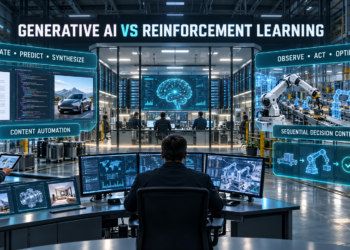
Generative AI vs Reinforcement Learning: Content Generation, Rewards and Policy Learning
Executive Summary The Generative AI vs reinforcement learning decision is not “creation versus action” in the abstract. It is a...
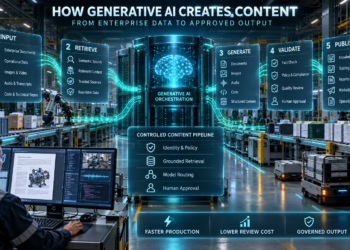
Generative AI Content Creation: Workflow and Quality Controls
Executive Briefing Generative AI content creation turns an approved brief and source material into candidate text, images, audio, code or...
















Recent News











NezzHub is a technology-focused knowledge hub delivering insights on AI, robotics, cybersecurity, biotech, and emerging innovations. Our mission is to simplify complex technologies through research-driven content and analysis.