



















The application of Artificial Intelligence (AI) is vast and growing by leaps and bounds. It’s no wonder that with each passing year, not only are there expanding applications of AI, but also expanding technologies. In addition to the many diverse areas of AI being developed or researched, it is an area where significant progress is being made. This is likely to be the most interesting and potentially the most promising area of AI.
For example, before you can even begin to understand what generative AI entails or how machines create entirely original content, the next few paragraphs will explore the basics of generative AI and some of the methodologies that have been developed for doing so. This document will then provide a sampling of our thoughts on the potential effects of this AI on all types of businesses and organisations.
Summary
It utilises large amounts of data to train the model and generate original content. By using large datasets as training sets, the AI model will be able to recognise and mimic the patterns present within the data. Three of the most popular forms of AI models that can generate new content based on what they learned from their training sets are Generative Adversarial Networks (GANs), Variational Autoencoders (VAEs) and transformer-based models. Many of these models have already been used in numerous areas, including creative processes such as design, advertising, video games, and virtual/augmented reality.
There are many types of generative models, but commonly referenced ones include language models (for example, GPT), image-generating models (for example, StyleGAN and DALL-E), and music-generating models. These days, it is increasingly common to combine multiple generative models to generate content. As you may be aware, even though generative AI models are growing in popularity, there are also some big challenges.
Some of the biggest challenges today involve assessing the quality of generated content. Another big challenge is how to address copyright and who owns the rights to generated content. A third big challenge involves eliminating/limiting bias in the content that is being generated.
#How Image Recognition Works: From Pixels to Intelligent AI Decisions
Generative AI
Defining Generative AI
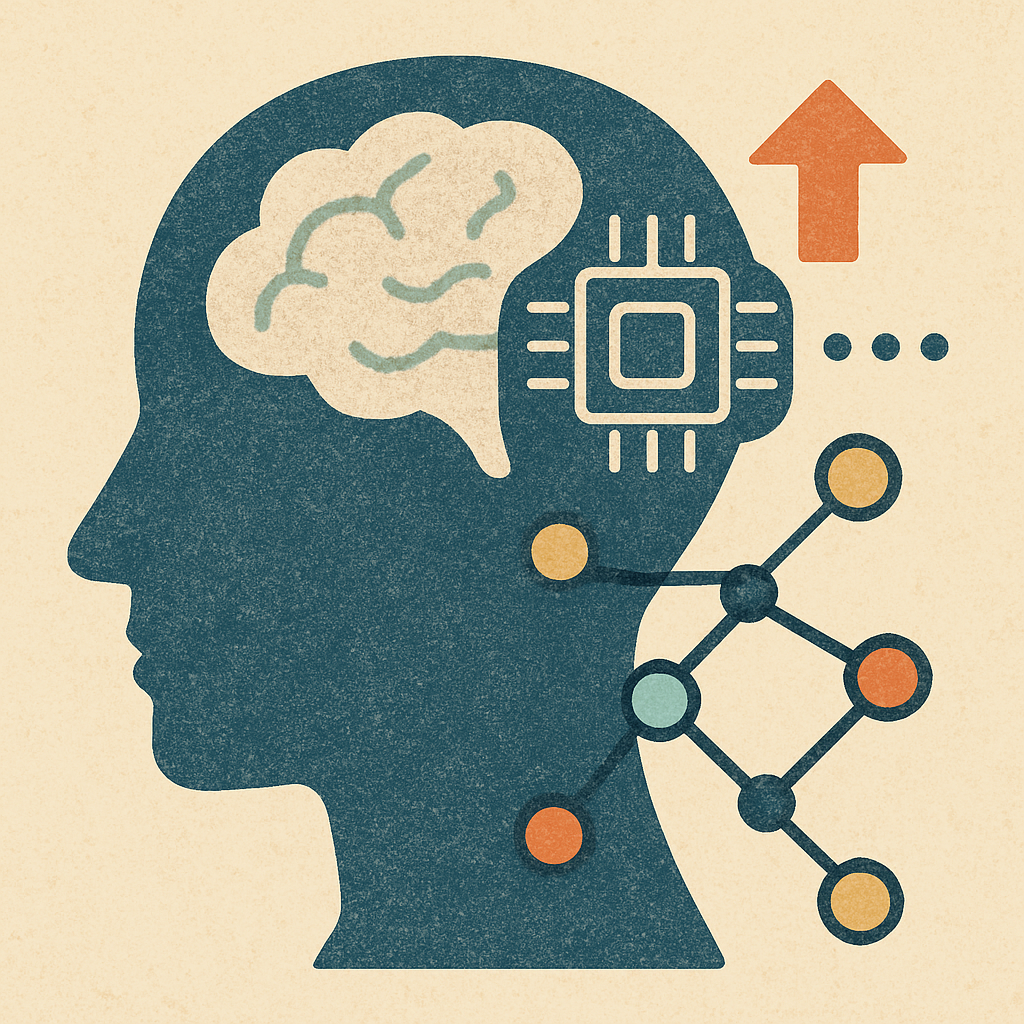
It refers to the broad category of artificial intelligence (AI) technology that can create new data (content) rather than just analysing or processing existing data. Using advanced models, generative AI identifies intricate patterns in the data it has been trained on; these models use this information to produce new data (new original content) using these patterns. The most important attribute of generative AI is its ability to produce novel yet relevant outputs that meet the specified criteria (parameters) used to define them.
Historical Context
Machines generating content have a long history dating back to the early days of computers. Computers were capable of creating shapes using algorithms and generating random numbers.
The movement from randomly created output to creating content that means something has existed for decades.
The development of new machine learning techniques and the enhanced capabilities of computers have allowed generative AI to evolve from simply creating content to producing high-level works of complexity and sophistication. This complexity and sophistication can make it difficult to determine whether or not a work of creative content was created by a machine or a human. Today, generative AI creates high-level, sophisticated, and highly crafted creative works that are difficult to distinguish from human-generated content.
Key Differences from Traditional AI
Traditionally, AI has focused on analysing data, interpreting it, and using it to provide insights or predictions based on patterns within the data. The traditional focus of AI has been on utilising “big data” to drive business decisions through analysis of large volumes of data. It is a relatively new form of AI, emphasising creative thinking and the development of entirely new ideas.
Whereas traditional AI might be able to predict what comes after the last word in a sentence by looking at all the prior words it had seen, generative AI would be able to create an entire sentence, story, etc., without ever having seen those prior words. This shift from simply analysing and providing insight into existing data to being capable of producing completely original content will significantly affect our understanding of the capabilities of AI systems and the various ways in which they may be capable of assisting, as well as disrupting, numerous industry sectors.
How Does Generative AI Work?
Generative artificial intelligence uses advanced machine learning to generate new content similar to the data used to train the model. Generative models are trained on large amounts of data and look for patterns and structural elements within that data. Once trained, generative models can then create new content by copying those identified pattern(s).
Machine Learning Foundations
Generative AI extends machine learning. There is a wide variety of Generative AI models developed on massive datasets, enabling them to learn and replicate patterns and structural elements in the data. These AI models must analyse millions of data points to understand the complex details involved in producing the content they aim to generate.
For example, a generative model of language understands the rules of grammar for that particular language as well as the aesthetic principles of art. It takes several million adjustments across millions of sessions to learn these models. Once the generative model has finished learning, it will be able to create content that closely matches the patterns and structural elements it learned.
Generative Adversarial Networks (GANs)
Generative Artificial Intelligence utilises one of the most common methods for creating artificial data: generative adversarial networks (GANs). GANs consist of two separate neural networks: a generator and a discriminator. The purpose of the generator is to produce new content (for example, images or text); the purpose of the discriminator is to evaluate the new content produced by the generator in order to establish if the content is real and, therefore, authentic. Fundamentally, the objective of the generator is to produce content that is indistinguishable from real content. The objective of the discriminator is to recognise all of the content created by the generator.
The continuous process of competition and feedback between these two networks improves and refines the generator’s output, enabling increasingly realistic content. As a result of this competitive and adversarial process, the dynamics of creative struggle (as evidenced by a tug-of-war) are continually being established. Ultimately, this dynamic creates new opportunities for developing the capabilities of artificial intelligence.
Other Key Techniques
One such technique of generating synthetic data with this is called the Variational Auto-Encoder (VAE). The VAE is a type of generative AI model, with one of its primary uses being to train on a dataset and create new data that is very similar to the original. For example, the VAE can generate images and videos by creating large volumes of high-quality content. The VAE’s ability to generate high-quality content has proven ideal for applications that require high-quality images and videos.
The second major category of these AI models is transformer-based, including GPT. Like most AI models, transformer-based models are good at generating content of virtually any form; however, they have shown exceptional success in generating text due to the way they work. These models work in a “predict next” manner by attempting to determine the next word in a sequence based upon the prior words. Determining the next word based upon the prior word(s) creates coherent, contextually relevant content.
Therefore, the numerous techniques used to develop these models exemplify the variety of approaches in this field. Additionally, the development of each technique to optimise performance for a particular type of content development exemplifies the versatility and ingenuity of this rapidly developing field.
#What Is Computer Vision: How AI Smartly Sees the World
Generative AI Techniques Comparison
| Technique | Strength | Use Case | Limitation |
|---|---|---|---|
| GANs | Realistic image generation | Deepfakes, art | Training instability |
| Transformers | Text generation | Chartbots, writing | High compute cost |
| Diffusion Models | High-quality images | Image generation (eg: DALL-E) | Slow generation |
Insight: Different techniques power different types of Generative AI – there is no one-size-fits-all model.
Source:
- OpenAI Research
https://openai.com/research - Google AI Blog
https://ai.googleblog.com
Applications of Generative AI
It is changing how businesses of every type operate in many ways. Some of the most impactful areas include:
Content Creation
Businesses today are creating large amounts of Content using AI. The ability to use Generative AI to produce a wide variety of content has become extremely popular. For example, there are many Generative AI tools available today that allow you to train an AI model with massive amounts of analysed data, to convert a narrative into a cohesive article.
Journalism and Publishing
AI is being used by companies to generate content in Journalism and Publishing. Today, companies are using generative AI tools to process data feeds, produce news articles, write sports summaries, and generate easy-to-read financial reports. This allows journalists to spend their time writing more complex stories and leave the routine reporting to AI. Many Publishers are currently investigating how to use this to produce content for both fiction and non-fiction books, to find new ways to tell stories.
Visual Arts and Design
Generative artificial intelligence (AI) offers an array of new creative opportunities for artists and designers in generating imaginative and innovative designs and works of art. Generative AI can assist artists in developing new designs for patterns, logos and even entire digital works of art.
Advertising and Marketing
For instance, AI can allow artists to experiment with different design and style options that would be too time-consuming or impractical for the artist to accomplish on their own. This opens up a wider variety of artistic possibilities for the artist. Additionally, this helps advertisers and marketers create custom messaging for targeted marketing campaigns.
Design and Art
Using consumer data, AI models can develop custom advertising, social media posts and even video advertising tailored to their specific target market. This increases customer engagement and improves campaign results. Ultimately, the use of generative AI is changing how companies communicate with their customers.
Fashion and Textiles
Generative AI in fashion design. Generative AI is currently being used by fashion designers to design clothing patterns and textiles for rapid prototyping of new styles. Using Generative AI can enable a designer to generate thousands of design options, so they can see all the possibilities and make informed choices. Through trend forecasting and optimal material use, Generative AI will also help reduce waste in the fashion industry’s product development process.
Architecture and Interior Design
Generative AI has been applied by architects and interior designers to design buildings and Layout Plans. The ability of AI to generate numerous design layouts based on input parameters such as site size and environmental conditions provides architects with multiple options when developing functionally effective, innovative buildings.
Gaming
Generative AI has also been adopted in the Gaming Industry to enhance the gaming experience. This enables game developers to create dynamic Game Levels, generate realistic Characters, and develop game narratives. In addition to saving development time, using Generative AI creates an immersive experience that keeps the gamer engaged.
Real-World Generative AI Use Cases
| Industry | Use Case | Example |
|---|---|---|
| Marketing | Ad copy generation | AI-written campaigns |
| Gaming | Procedural worlds | Auto-generated maps |
| Fashion | Design generation | AI clothing concepts |
| Architecture | Layout design | AI floor plans |
| Media | Script writing | AI-assisted storytelling |
Example: Game developers use AI to dynamically generate entire virtual worlds.
Source:
- Deloitte AI Industry Insights
https://www2.deloitte.com - NVIDIA Generative AI
https://www.nvidia.com
Procedural Content Generation
Generative AI now enables Procedural Content Generation, allowing for an almost infinite number of AI-generated levels and environments that can be played again and again because they adapt to the user’s interactions. In addition, the ability of AI to generate new levels based on user interaction results in higher user engagement than before because each time the user plays the game, they will have a unique gaming experience.
Non-Player Characters and Storylines
The use of AI to generate Non-Player Characters (NPCs) and even storylines has added complexity and depth to narrative development in games. AI-generated NPCs appear real and can have many different personalities and backstories, enhancing the realism and immersive experience of games. In addition, AI can generate storylines that evolve based on the player’s decisions during gameplay, creating a highly dynamic narrative experience that changes with the player’s actions.
Virtual Reality and Augmented Reality
In addition to changing how media is created, Generative AI is changing how people interact with Virtual Reality (VR) and Augmented Reality (AR), enabling AI to produce more realistic and interactive experiences in both. This enables the development of detailed, realistic three-dimensional (3D) models and textures, further enhancing the user experience in VR and AR. Ultimately, AI produces more realistic and engaging experiences for the user.
#NLP: Powerful Ways of Effectively Teaching Machines to Truly Understand Us
Generative AI Market Growth Statistics
| Year | Market Size (USD) | Growth |
|---|---|---|
| 2022 | $13 Billion | - |
| 2024 | $45 Billion | Rapid growth |
| 2026 | $110 Billion | Explosive |
| 2030 | $1.3 Trillion | Massive adoption |
Key Insight: Generative AI is one of the fastest-growing technologies globally.
Source:
- McKinsey AI Report
https://www.mckinsey.com - Bloomberg Intelligence
https://www.bloomberg.com
The Role of AI Models in Content Generation
The heart of generative AI lies in AI models. These models are built on massive amounts of data to recognise and reproduce intricate patterns. Below, we will review several well-known AI models used for generating content.
Language Models
Language models were developed primarily as an aid to writing. GPT (Generative Pre-trained Transformer), for example, has proven itself to be a model capable of producing written content that resembles human writing. Language models may also be used to develop essays, to respond to questions, and to engage in conversation.
Evolution of Language Models
Early language model systems were primarily focused on developing simple techniques for predicting text. Modern language models, including GPT, use deep learning and transformer architectures to capture the semantic implication of each word in a sentence to generate coherent text that is as complex as human language. This advancement has enabled the application of language models to content creation (articles & blogs), translation, and chatbots.
Recently successful applications of StyleGAN- and DALL-E-based image generation systems have demonstrated their ability to generate high-quality, realistic images across a variety of subject matter (great-detail people images and high-beauty landscape images).
The ability of these systems to generate new images very similar to the subject matter they were trained on stems from training them on large amounts of data from a wide variety of images.
Evolution of Language Models
| Year | Model Type | Advancement |
|---|---|---|
| 2018 | BERT | Context understanding |
| 2020 | GPT-3 | Large-scale text generation |
| 2023 | GPT-4 | Multimodal capabilities |
| 2025+ | Advanced LLMs | Near-human reasoning |
Insight:
Language models evolved from understanding text → generating → reasoning → multimodal intelligence.
Source:
- OpenAI
https://openai.com - Google DeepMind
https://deepmind.google
Image Models

Recently, many AI image generation systems, especially StyleGAN and DALL-E, have demonstrated success across a wide range of applications. The systems have successfully created many different types of extremely realistic, very high-quality images of a wide range of subjects (e.g., an incredibly detailed image of a person and/or an incredibly beautiful image of a landscape).
These systems have learned the characteristics of many different subjects by training on extremely large amounts of data from a wide range of images. Because the systems can be trained on a wide range of subject characteristics, they can generate images that closely resemble the real subject.
From Pixels to Pictures
Image models can be trained on a wide range of visual information to transform raw pixel data into complete and accurate images. They accomplish this by analysing a vast array of visual examples (i.e., colour, texture, and arrangement) to either replicate an existing image or develop a completely new one. This enables the creation of art through technology that is not limited to producing visually realistic images but also supports the development of abstract and experimental forms.
Combining Text and Image Generation
Technology has advanced rapidly recently; therefore, combining text and image creation (using AI) has become possible. In essence, these technologies have enabled artificial intelligence to produce an image from a text description. One such example of this technology is DALL-E, which clearly illustrates the efficiency of cross-modal generation. Therefore, advances in this field of study make it possible to create new forms of interactive storytelling and personalised content through the visual depiction of written language.
Music Models
AI can produce music. Training models to utilise pre-existing music enables them to create new music across multiple styles or genres. There are many musicians/composers currently utilising AI in music production to explore new ways of expressing creativity and to create music they might not otherwise have made. The inclusion of AI in music production allows all artists to express their creativity and find new ideas and perspectives in their work.
Learning the Language of Music
Music Models help students develop an understanding of the “language” of music by identifying common elements across many compositions. Music Models will focus on a few major elements of music (structure, rhythm, and harmony) because they are key to most musical works.
Once Music Models have been trained to recognise musical patterns/motifs, they will be able to create their own music that reflects what they have learned, while providing new and exciting ways for listeners to experience music. Music Model’s ability to recognise musical patterns and motifs creates music that is both innovative and connected to traditional music forms that listeners are familiar with and enjoy.
Collaborative Creativity
As an inspirational resource for musicians working collaboratively, AI offers a powerful way to generate a wide range of new musical concepts. A composer may utilise generated patterns or themes produced by AI, for example, as a starting point for creating a completely new composition based upon the generated theme.
The synergy between the musician’s creative abilities and the AI’s ability to generate novel ideas enables each party to express themselves in ways they could not alone, ultimately producing a new collaborative output. The opportunity created by this type of collaborative relationship allows the composer to consider a wider range of new, unexplored sonic options than would have been possible before the AI-assisted creation process began. This collaboration encourages exploration and pushes the limits of what is possible in music composition.
Generative AI in Live Performances
In addition to live performance, live music offers another example of how generative AI can influence the live experience. Generative AI can produce both audio and visual media content (music or video) “in real-time” and is thus subject to the influences of both audience participation and the show’s surrounding environment.
The ability of generative AI to facilitate dynamic live performances supports an immersive experience which exceeds the expectations of the typical live performance attendee. Combining the artist’s/creator’s vision with the creative capabilities of generative AI offers attendees of the live performance a unique experience and opens additional avenues for engagement with both the performance and the overall event.
Challenges and Ethical Considerations
Generative AI is incredibly powerful as a means, yet there exist many barriers and ethical dilemmas in its use:
Quality Control
The quality of AI-generated content is critical, so it is necessary to ensure it meets your expectations. Artificial Intelligence (AI) can produce excellent, even highly useful, results. However, AI-produced content may lack cohesion across all areas or be entirely incorrect. Thus, AI-generated content is commonly reviewed, edited, and approved by humans. Humans involved in the review, edit, and approval process of the AI-generated content assist in ensuring that the final product is produced at the level of quality expected, and the objective of the AI-generated content is achieved.
Balancing Creativity and Quality
A primary challenge in generating content using artificial intelligence is finding the optimal balance between creative potential and quality. The content generated by artificial intelligence may be original or innovative. However, meeting user expectations for coherent, relevant, and high-quality AI-generated content requires effective management and oversight of AI output.
Typically, achieving the desired objectives through AI-generated content involves iterative refinement: continuous review and adjustment of the output. Often, this process will include some human input, as humans can provide insightful, beneficial feedback to further refine the output and achieve the desired objectives.
Copyright and Ownership
The ownership of original works generated by artificial intelligence (AI) is a complex issue concerning the legal entitlements to such products and the ability to copyright them. Since AI is continually developing and producing an increasing number of original works, determining who has the rights to these works will pose difficult legal and, to some extent, ethical issues. These complications arise primarily because current copyright laws lack sufficient structure and support to properly address the unique aspects of works created using AI technology and the new roles creators play in producing them.
Navigating Legal Frameworks
The legal system currently does not effectively address the many complexities surrounding the rights to all types of content created through artificial intelligence. Traditionally, copyright law was developed for human creators; therefore, there are significant gaps in its application to works created by AI systems. As the use of artificial intelligence becomes more prevalent across all aspects of society, there will be an increased need to develop legal standards that define what type of content is produced by AI and how the rights associated with that content should be determined.
In addition to defining the rights of creators and users of AI-generated content, it is also critical to establish clear definitions of those rights in this emerging area of law. To protect the interests of both creators and users of AI-generated content, it is essential to develop and enact new legislation and provide guidance to parties affected by the evolving landscape of artificial intelligence.
#AI Language Models Explained Clearly Without Coding
Bias and Fairness
Generative AI models rely on pre-existing data to train their algorithms. As a result, these models may produce biased results. Therefore, it is essential for users to recognise bias in both the training data and the model itself, and to make adjustments to eliminate it and promote fairness, balance, and equal representation in the AI-generated output.
Understanding Bias in AI
Bias in Artificial Intelligence stems from the data that is used to build the model. Because the data may reflect the same social prejudices or stereotypes as those in today’s society, the model will be able to draw on this data to produce the same prejudices in its predictions. As such, the AI may unintentionally continue to express harmful social attitudes towards certain segments of the population. Thus, to effectively identify and eliminate social bias within an AI system, we must identify the sources of our data and how it was obtained.
In addition to understanding the sources of our data and the processes involved in obtaining it, we must create and implement methods to reduce bias in the models. We must do this to ensure that AI output is fair and equitable and to enable it to consider all aspects of the population as a whole.
The Future of Generative AI
The future of Generative Artificial Intelligence (Generative AI) will be highly beneficial, offering many potential paths. The better we get at developing the next level of Generative AI technology, the more advanced AI models we will create. In turn, these advanced AI models will be able to produce real and imagined content. These advancements in AI will create many new opportunities and applications across various industries.
For example, in the entertainment industry, the next generation of Generative AI could enable the creation of more interesting stories and the emergence of more innovative ideas. Similarly, in the healthcare industry, the development of the next generation of Generative AI technology could aid in research, diagnostics, and tailoring medical treatments to individuals.
Advanced AI Models
The capabilities of future generations of Generative AI systems will be far superior to those of previous systems. As future generative AI systems become increasingly sophisticated, the range of content they generate will greatly expand to include much more complex and nuanced material. This increased sophistication will result in an expansion of the utilisation of Generative AI in multiple sectors of society and in everyday life.
As computing technology continues to advance, it will also enable the creation of more advanced, large-scale AI systems. These large-scale AI systems will be capable of generating a tremendous amount of high-quality, highly realistic content. In addition to enabling the creation of larger and more advanced AI systems, advances in computing technology will open many new avenues for innovative and creative uses of AI and increase its availability in daily life.
Generative AI systems will continue to evolve, providing new technologies and opportunities for creators, businesses, and consumers. However, the ability to utilise the full potential of Generative AI systems is dependent on creating solutions to the problems and ethics surrounding Generative AI systems.
Industry-Specific Innovations
Generative AI is anticipated to make numerous fields better through tailored solutions for specific businesses. One such business is healthcare, where generative AI can provide customised diagnostic tools tailored to individual patients’ needs. Additionally, generative AI could support the development of an interactive educational system that adapts to individual students’ learning styles. As such, generative AI has the potential to dramatically alter the way that businesses function, improving both their operational effectiveness and efficiency.
By focusing on applications tailored to the needs of specific businesses, generative AI may drive significant change and open new avenues for economic growth and development.
Challenges in Generative AI
| Challenge | Description | Impact |
|---|---|---|
| Hallucination | AI generates false info | Misinformation |
| Bias | Biased training data | Unfair outputs |
| Copyright | Ownership unclear | Legal issues |
| Quality Control | Inconsistent output | Reliability concerns |
| Misuse | Deepfakes, spam | Security risks |
Key Insight:
Generative AI’s biggest challenges are trust, fairness, and regulation.
Source:
- MIT Technology Review
https://www.technologyreview.com - World Economic Forum AI Ethics
https://www.weforum.org
Conclusion
Generative AI is changing how we produce and use information and media (e.g. art and music, text generation, design). With Generative AI pushing creative boundaries far beyond anything previously imaginable, it is important to discuss the many opportunities for innovation and the equally numerous ethical implications associated with its development, so that everyone can share in its benefits.
The Path Forward
In conclusion, Generative AI is more than just an advancement in technology; it has the potential to open new paths to creativity and discovery. The possibilities for the future are endless for Generative AI, provided that there is an environment of innovation which provides a forum for open discussion of the ethics of Generative AI to ensure that Generative AI continues to be a powerful force for good and continues to contribute positively to change and empowerment of individuals and industries around the world.
Continuing the Conversation
The continued growth of generative AI will require the ongoing conversation and collaboration between all stakeholders to understand both the potential and challenges of generative AI. Ongoing conversations about the potential and challenges of generative AI will help us navigate this rapidly evolving technology together. Open dialogue and collaborative learning are key to realising the potential of generative AI and to moving forward and developing an endless future.
Generative AI’s ongoing growth will require an ongoing conversation and partnership among all stakeholders to understand its potential and challenges. Ongoing discussions about the potential and challenges of generative AI will enable us to navigate this rapidly evolving technology together. Collaborative learning and open dialogue are essential in realising the full potential of generative AI and in continuing to move forward and develop an unlimited future.

Garikapati Bullivenkaiah is a seasoned entrepreneur with a rich multidisciplinary academic foundation—including LL.B., LL.M., M.A., and M.B.A. degrees—that uniquely blend legal insight, managerial acumen, and sociocultural understanding. Driven by vision and integrity, he leads his own enterprise with a strategic mindset informed by rigorous legal training and advanced business education. His strong analytical skills, honed through legal and management disciplines, empower him to navigate complex challenges, mitigate risks, and foster growth in diverse sectors. Committed to delivering value, Garikapati’s entrepreneurial journey is characterized by innovative approaches, ethical leadership, and the ability to convert cross-domain knowledge into practical, client-focused solutions.