


















In essence, the current state of quantum research will shape the technological future. And at the forefront of this movement is DARPA (Defense Advanced Research Projects Agency).
Quantum research is advancing through DARPA’s projects, which are breaking down barriers with their capabilities. What DARPA does in quantum science is not just theory – its applications will impact both defense and other areas.
One such example is DARPA’s SAVANT program, which focuses on using atomic vapors to develop new types of quantum devices.
Another area of DARPA research is advancing quantum computing. The potential to solve problems that classical computers cannot exists here.
DARPA’s research also involves exploring aspects of quantum information science. Information science is necessary for developing secure communication systems and increasing the computational power of our existing systems.
Understanding DARPA’s research in quantum science helps us see how it could ultimately affect technology and society and lay the foundation for future developments.
Summary
The primary goal of DARPA’s quantum initiative is to transform the most promising developments in quantum science into functional capabilities with tangible defense and civil impacts. This includes SAVANT (the Science of Atomic Vapors for New Technologies), which examines how systems using atomic vapors may create quantum sensors capable of precise measurements of time and location, as well as detection. These are especially important in areas where GPS cannot function because they are either denied access to GPS signals or, if there is conflict over those signals.
In addition, DARPA is also actively working to advance the state-of-the-art in quantum computing through significant advancements in three main barriers: scalability, decoherence, and correcting errors, and through supporting algorithmic advances that can provide superior performance to classical computers for certain high-value problem domains.
At the same time, DARPA’s work in quantum information science focuses on developing secure methods for communication over quantum networks and new forms of encryption resistant to decryption by quantum computers — all of which will influence how we address future cybersecurity and national security issues.
The significance: DARPA’s work has the potential to drive major advancements in sensing, computing, and secure data transfer. Additionally, many of these advancements are expected to spill over into medical applications, material sciences, geophysics, energy, and artificial intelligence. As an agency that sets aggressive goals and provides funding to prototype risk-taking technologies, DARPA is helping drive the transition of laboratory-based quantum technology demonstrations toward deployable systems that can have a transformative effect on how both military organizations operate and innovate.
Understanding DARPA and Its Role in Quantum Research
The Defense Advanced Research Projects Agency (DARPA) has made a name for itself as an innovator in U.S. Defense Technology. DARPA was founded to avoid being caught off guard by new technologies. DARPA continues to innovate through research.
DARPA plays a key role in quantum research. DARPA applies fundamental quantum-mechanical principles to make them relevant for practical use, primarily to enhance national security and create new technologies.
Through the many projects developed by DARPA, the agency seeks to advance knowledge and create innovative breakthroughs. Breakthroughs from these DARPA initiatives can greatly improve both military capabilities and civilian technology capabilities. DARPA’s areas of concentration include:
- Quantum computing advancements
- Quantum information science
- Sensor development using atomic vapors
DARPA collaborates closely with Universities, private companies, and other Federal Government agencies. This collaboration creates a fertile ground for the advancement of research and innovation.
Through innovations developed by DARPA, the agency will be able to stay one step ahead of emerging threats. DARPA’s dedication to quantum research reflects its long-term goal of maintaining technological dominance.
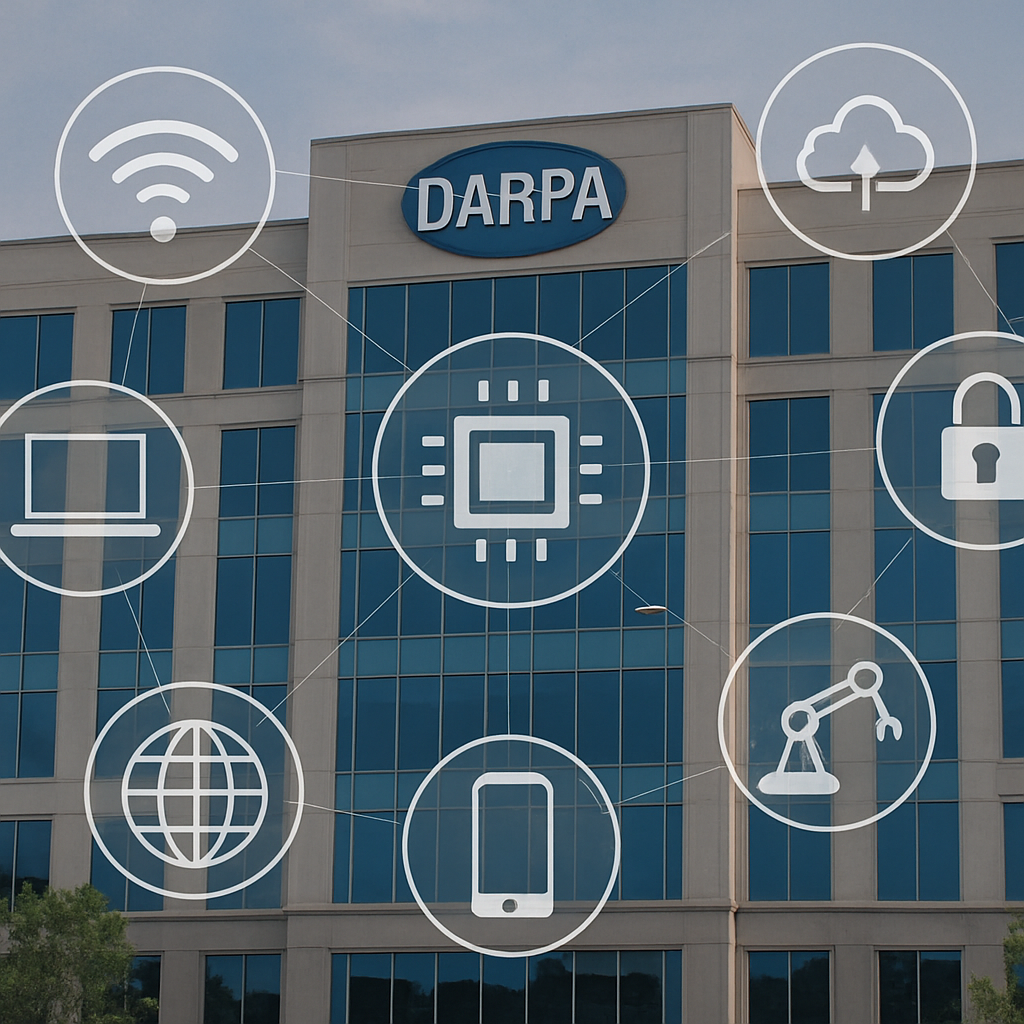
Understanding DARPA’s integral role in advancing quantum research underscores its critical importance. Quantum technologies have the potential to completely transform various industries and national security.
DARPA Quantum Research Areas and Their Applications
| Research Area | Primary Goal | Key Technology | Potential Applications |
|---|---|---|---|
| Quantum Computing | Solve complex problems faster than classical computers | Quantum processors qubits | Drug discovery, optimization, cryptography |
| Quantum Sensing | Ultra-precise measurements | Atomic vapors, Rydberg atoms | GPS-denied navigation, medical imaging |
| Quantum Networking | Secure information transfer | Quantum entanglement | Secure communications, defense systems |
| Quantum Information | Study quantum information processing | Quantum algorithms | Advanced computing and cybersecurity |
| Quantum Benchmarking | Evaluate practical quantum systems | Performance metrics | Commerical and defense technology assessment |
Source: DARPA Quantum Sensing & Computing Program
darpa.mil
Quantum sensing and computing
DARPA’s investments in quantum research have laid the foundation for next-generation military
DARPA Quantum Research: Advancing next-generation quantum technologies for defense and scientific innovation

The way the U.S. approaches information, sensing, and secure communication will undergo radical transformation through DARPA Quantum Research. DARPA Quantum Research provides funding for high-risk, high-reward projects to get ideas out of laboratories and into deployable systems that can withstand real-world limitations — size, weight, power, cost, and environmental conditions.
Quantum Sensing (using quantum states to measure time, motion, gravity, magnetic fields, or electromagnetic signals with exceptional accuracy) is another primary area of interest for DARPA Quantum Research. As a result of these sensors, the ability to navigate under GPS-denied conditions improves; the detection of subtle underground structures improves; and reliance on vulnerable infrastructure decreases for intelligence-gathering purposes.
DARPA Quantum Research also increases the pace of development for both quantum networks and cryptography. Specifically, DARPA Quantum Research supports the development of quantum key distribution technology and post-quantum security research to ensure that defense communications remain protected as adversaries develop more powerful code-breaking methods.
Simultaneously, DARPA Quantum Research identifies architectures for scalable quantum computing. Scalable quantum computing aims not only to outperform classical counterparts on specific tasks but also to develop the necessary tools to mitigate errors, design control electronics, and write software that makes quantum computing practical.
Initiatives such as SAVANT and other related programs focused on atomic vapor and photonic research exemplify how DARPA Quantum Research connects fundamental physics to engineering. The objective of DARPA Quantum Research is not a “silver bullet” in the form of a single quantum-based capability, but rather a diverse set of technologies that can be used together within a platform environment, tested in the field, and iteratively improved.
Why this matters: the potential to exploit quantum phenomena may fundamentally alter the competitive balance between adversaries in areas such as sensing, timing, and secure command and control. Additionally, quantum research has the potential to yield spin-off benefits in medical imaging, advanced materials, and the understanding of climate-related issues. Overall, DARPA Quantum Research acts as an innovation engine by de-risking early-stage advancements, enabling the entire defense ecosystem and broader scientific communities to accelerate adoption of future generations of quantum-enabled capabilities.
Researchers benefit from DARPA’s approach because it establishes common testbeds, open challenges, and quantifiable benchmarks that create a defined trajectory for advancing the field. Practitioners benefit from the emphasis on transition; prototypes need to work within current operational frameworks and be maintainable. DARPA’s disciplined approach to distinguishing performance from hype will help determine where to invest over the coming decade.
Example
A group of researchers funded by the Defense Advanced Research Projects Agency (DARPA) developed an approximately pack-sized system that used quantum technology to assist search-and-rescue helicopters navigating in a post-hurricane coastal environment. Because the GPS was non-functional and cell towers were out of service, the researchers fused a small atomic clock, a quantum magnetometer, and inertial measurement units based on conventional physics to maintain the helicopter’s correct location during extended flights.
The research team tested the unit at a facility near electromagnetic interference from damaged electrical distribution equipment. At this testing site, the researchers repeatedly flew their helicopter along the same route, passing through areas with significant EMF levels. In each test, the researchers measured variations in the unit’s location in real time and then corrected the location data using pre-established magnetic field maps.
As a result of these tests, the researchers determined that they could safely guide the helicopter in low-visibility conditions and locate people requiring rescue much more quickly than would have been possible without this capability. Additionally, the researchers believe that once they have ruggedized the unit’s design, there will be many other uses beyond search-and-rescue missions.
Quantum Information Science: Securing the Future
DARPA recognizes Quantum Information Science as one of the cornerstones of its research initiatives. It has two main areas: secure communications and increased computing capability. DARPA is using these areas to develop systems that are both powerful and secure.
Quantum Communication provides an additional level of security beyond today’s technology. This will allow DARPA to protect sensitive information from external access or interception.
QIS’s ability to improve how we handle data is another area of interest. DARPA is working on new ways to utilize quantum mechanics to store and send data. These improvements may significantly affect how we protect and transfer our information.
Key areas of DARPA’s focus include:
- Development of quantum-resistant encryption methods
- Establishment of quantum networks for secure communication
- Exploration of quantum-enhanced data storage solutions
To accomplish this, DARPA relies heavily on partnerships with leading researchers and industry innovators. These collaborations have driven innovation and advanced the art of quantum information science.
The implications for National Security and Technological Supremacy are significant as DARPA pushes the limits of what can be accomplished through QIS. DARPA’s work has begun to shape a future where information sharing occurs at light speed, efficiently and securely.
Quantum Information Science: Exploring how quantum mechanics transforms computing, communication, and security

Quantum Information Science is an area of research that studies how the principles of superposition, entanglement, and measurement in quantum mechanics can provide new ways to encode, transmit, and process information. At its core, Quantum Information Science seeks to understand what happens when bits evolve into qubits (quantum information processing units), which can store multiple data states simultaneously and maintain correlations over distance via entanglement.
Computing-wise, Quantum Information Science may lead to improved efficiency for some computational problems, such as simulating quantum materials and chemical reactions, optimizing, and other linear algebra computations. However, one major practical hurdle for using QIS in computing applications lies within the fragility of qubits; therefore, the advancement of techniques in error correction methods, noise-resilient algorithms, low-temperature control systems, and large-scale architectures that can maintain operation under “real world” environmental conditions will continue to grow out of the need to advance QIS.
Communication-wise, Quantum Information Science provides new means to address current limitations in both security and networking. Specifically, Quantum Key Distribution (QKD) can detect the presence of an eavesdropper, whereas future Quantum Networks may enable synchronization of timing and quantum-state sharing among devices linked by entangled particles. These capabilities may translate into enhanced confidentiality, integrity, and resilience for Defense and Critical Infrastructure applications.
Security-wise, Quantum Information Science will contribute positively to enhancing secure communications. However, it will also pose a significant threat to all current forms of Public-Key Cryptography (PKC) should large-scale Quantum Computers come to fruition. Therefore, the urgency to migrate PKC to Post-Quantum (PQC)- based solutions remains, even as Quantum Information Science continually refines estimates and assumptions about the capabilities of quantum-based attacks.
DARPA’s Research in Quantum Mechanics has been instrumental in creating momentum around the development of this technology. DARPA funded several high-risk programs to bridge the gap between theoretical discoveries in academia and the prototyping necessary to move Quantum Information Science into practical applications, including computing, communication, and security.
Example
A university-industry collaboration establishes a “quantum-aware” encrypted communication link between the two entities’ command posts. The collaborative group sends encryption keys over a fiber-optic cable using quantum information science techniques. At the same time, the system checks constantly for signs that someone may be intercepting (eavesdropping) the keys.
If the system detects that a red team has tapped the fiber-optic cable, it will automatically refresh the encryption key in response to an abnormal signal disturbance indicating tapping or interception. Simultaneously, the collaborative effort also tests post-quantum encryption on radio communication channels. This way, even with advanced future quantum computers that could potentially break many current public-key-based cryptosystems, all communications remain secure. The accomplishment represents an end-to-end process: detection, re-key, and continued operation without user involvement.
DARPA’s Quantum Computing Advancements
A primary area of focus for DARPA’s research initiatives involves quantum computing. It can solve many computational challenges that classical computing cannot address. DARPA is working to develop new methods (paradigms) in quantum information processing to achieve new levels of advancement.
Classical computing relies on principles like logic gates, whereas quantum computing utilizes different principles (like entanglement and superposition). Quantum computers can perform complex computations much faster than classical computers. To overcome major obstacles, DARPA is focused on mitigating or eliminating quantum decoherence, which currently limits the use of quantum computers.
Another key area of focus for DARPA involves developing better quantum algorithms. These algorithms can efficiently handle difficult computational problems such as cryptography and optimization. These improvements could significantly alter the landscape of both areas. DARPA’s continued pursuit of advancements in quantum computing technology represents an essential step toward providing a pathway to these breakthroughs.
Core areas of focus include:
- Enhanced quantum algorithm development
- Overcoming quantum system scaling challenges
- Developing robust error-correction protocols
To expedite advancements in quantum computing, DARPA works closely with researchers from academia and industrial partners. Working together enables DARPA to integrate theoretical discoveries into practical application. This collaborative model provides a framework for creating impactful innovations.
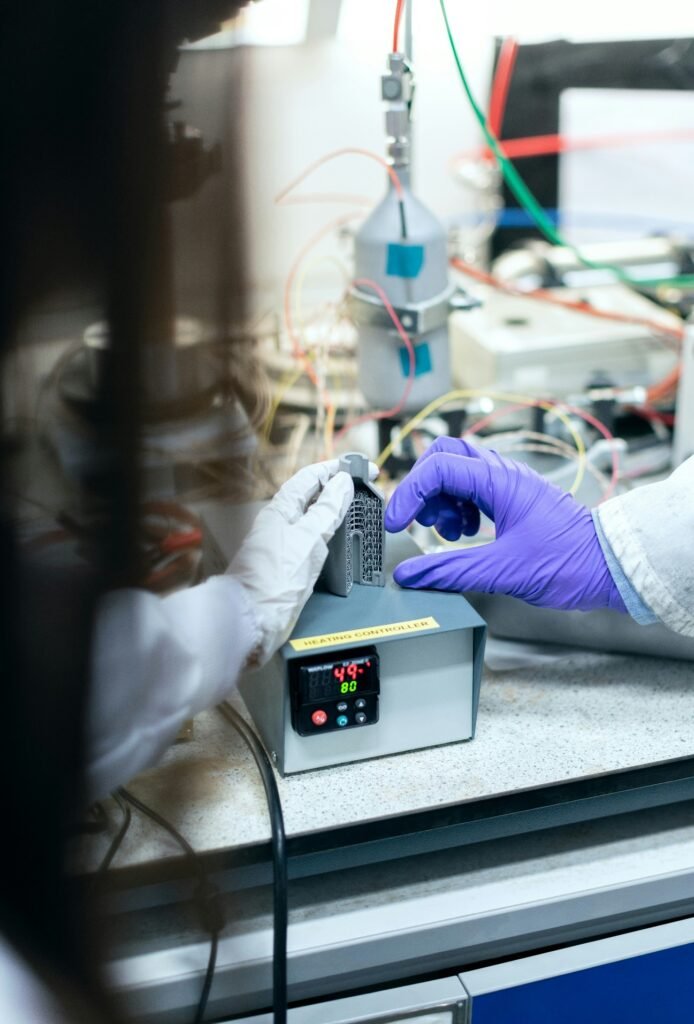
by ThisisEngineering (https://unsplash.com/@thisisengineering)
The possible applications of quantum computing are virtually limitless. For example, advanced artificial intelligence systems and pharmaceutical discovery represent just two examples of areas where quantum computing may have profound impacts across various industries. In addition to supporting national security through its research into quantum computing, DARPA plays an important role in advancing the state of the art in other fields worldwide.
Achieving the goal of “quantum supremacy” will require continued, unrelenting effort by those working on the problem. However, thus far, DARPA has consistently demonstrated its commitment to pushing the boundaries of what is considered achievable in quantum computing. Ultimately, DARPA is working towards a day when quantum technologies will enable us to solve increasingly complex problems and deepen our understanding of the world.
Quantum vs Classical Computing Comparison
| Feature | Classical Computing | Quantum Computing |
|---|---|---|
| Data Unit | Bit (0 or 1) | Qubit (0 and 1 simultaneously) |
| Processing Method | Sequential | Parallel through supersposition |
| Optimization Tasks | Limited | Significantly enhanced |
| Encryption Breaking | Difficult | Potentially faster |
| Scientific Simulations | Resource intensive | Highly efficient for molecular simulations |
Real-World Example
A pharmaceutical company may need years to simulate molecular interactions using classical systems, while future quantum computers could potentially perform similar calculations in dramatically less time.
Source:
QB: Quantum Benchmarking
The Quantum Benchmarking program will estimate the long-term utility of quantum computers by
Quantum Computing Advancements: Driving breakthroughs in processing power beyond classical computing limits

Quantum Computing Advancements are transforming our understanding of “computation” by leveraging quantum properties such as superposition and entanglement. While classical computers process binary information using “bits,” quantum computers use “qubits.” Qubits enable a limited set of computations to be performed using processes that classical computers cannot perform.
The greatest potential advantage of Quantum Computing Advancement is not necessarily universal acceleration across all tasks; it lies in the transformative advantages in areas specifically applicable to quantum simulations, complex optimizations, and particular subroutines of cryptography and machine learning.
While researchers continue to improve the stability, scalability, and control over qubits, current advancements in Quantum Computing Advancements are focused on increasing coherence times, reducing gate errors, and improving calibration and control electronics.
At the same time, improvements in software (i.e., error mitigation, compilation, and noise-aware algorithms) will aid in extracting usable results from near-term Quantum Computing Advancements.
Progress in quantum error correction is paramount to Advancements in Quantum Computing. The ability to build logical qubits that can run deep circuitry without being destroyed by noise is essential for long-term advancement.
Hardware diversity is also rapidly advancing. Superconducting circuits, trapped ions, neutral atoms, photons, and other solid-state approaches provide various combinations of speed, connectivity, operating temperatures, and manufacturing capabilities. Hybrid systems consisting of classical accelerators combined with quantum co-processors will likely become the primary deployment method as Quantum Computing Advancements progress.
DARPA’s Quantum Research efforts support this trajectory through high-risk/high-reward programs designed to achieve rapid increases in both performance and practicality. DARPA’s emphasis on testable milestones and transition paths helps to separate hype from engineering realities.
Ultimately, Quantum Computing Advancements have the potential to create breakthroughs in materials research, pharmaceutical development, logistics, and secure communication methods – expanding the boundaries of computation beyond those defined by classical systems while shifting the strategic competitive landscape for national security and science.
Example
A national laboratory is leveraging advances in quantum computing to accelerate research on a novel battery electrolyte. Rather than classical simulations that brute-force all possible combinations of potential molecular structures, this laboratory will use a hybrid approach that employs a classical optimization engine to generate candidate molecular structures.
Subsequently, the quantum computer will be used to compute relevant energy states for the top candidate molecules based on the output of the classical optimization process. By applying error mitigation strategies and improved compilation techniques, the researchers can minimize noise in the quantum processor’s output. Therefore, they can confidently rely upon the results from the quantum processor when ranking candidate molecules.
Even though the researchers used a relatively small quantum machine, they narrowed their initial field of thousands of candidate molecules to a much smaller group (a top-contender list) within just a few weeks. Although the specific breakthrough achieved by these researchers was not “Quantum computers outperform classical computers at every single task,” it does represent a repeatable workflow model in which using a quantum subroutine reduces both the size of the search space and the time required to test potential solutions.
The SAVaNT Program: Harnessing Atomic Vapors for Quantum Technologies
The SAVANT (Science of Atomic Vapors for New Technologies) program represents an important component of DARPA’s Quantum Research initiatives. SAVANT is focused on applying Atomic Vapors to advance quantum-related technologies. In particular, the SAVANT Program is researching the application of atomic vapor-based techniques to realize new capabilities in sensing and computing that leverage the inherent quantum characteristics of atomic vapors.
There are several reasons why atomic vapors have significant potential. One reason is that they exhibit many unique quantum properties. As such, there may be other dimensions by which sensor and computer systems could be developed. The SAVANT Program has been extensively examining the properties of atomic vapors.
The initiative targets several core objectives:
- Enhance quantum sensor capabilities
- Develop quantum computing advancements
- Improve quantum communication techniques
Another interesting aspect of atomic vapors is their high sensitivity to external environmental conditions. Such sensitivity could enable the creation of highly sensitive sensors. Therefore, this property may also create opportunities to transform many areas of study, including navigation and geophysics.
DARPA believes collaboration is essential to achieving the goals outlined within the SAVANT Program. Thus, DARPA will work closely with academia and industry experts to help expand our understanding of how atomic vapors might be used.
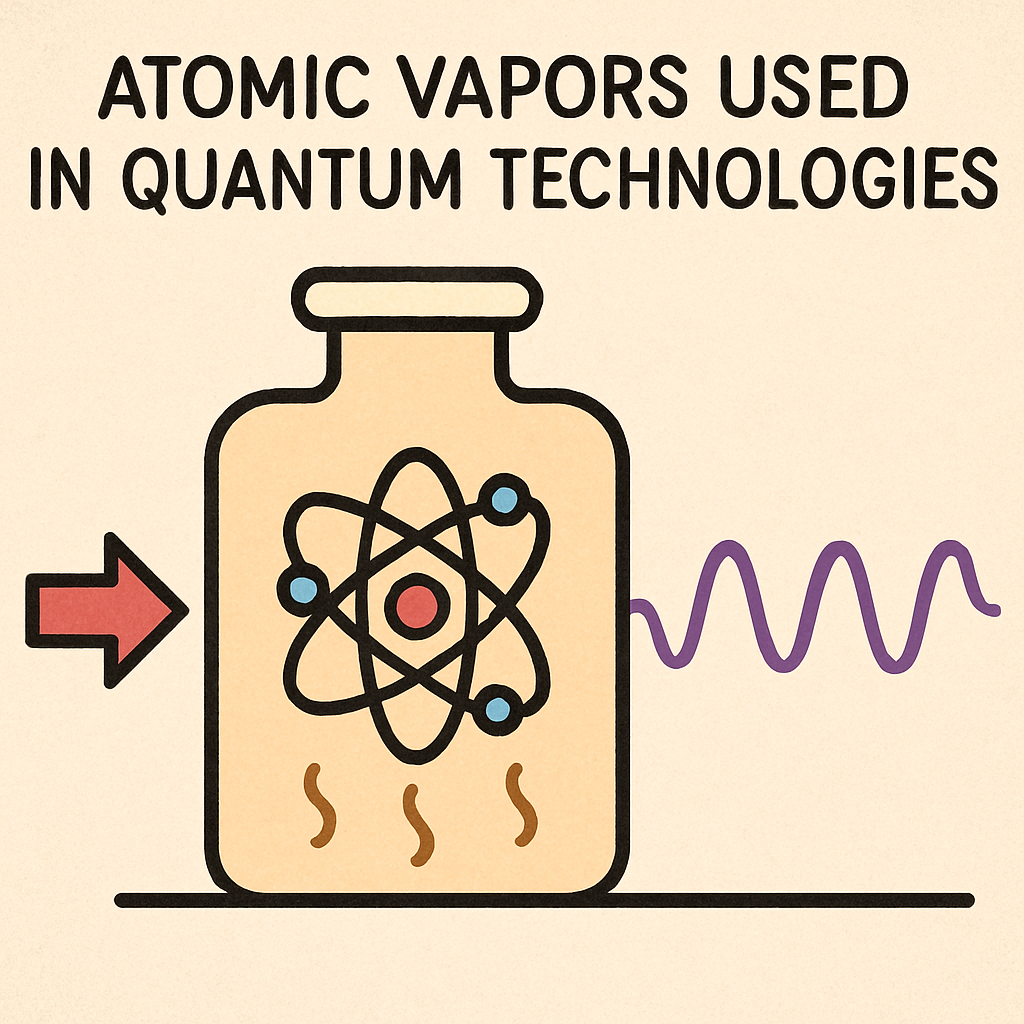
In addition to enhancing defense-related technologies through the SAVANT Program, DARPA seeks to advance civilian technology sectors. Exploration of atomic vapors could yield breakthroughs that would significantly impact society, thereby creating new opportunities for standardization of future quantum-based technologies.
DARPA Quantum Programs at a Glance
| DARPA Program | Focus Area | Objective |
|---|---|---|
| SAVaNT | Atomic Vapors | Improve room-temperature quantum sensing |
| QBI | Quantum Computing | Determine if utility-scale quantum computers are achievable by 2033 |
| HARQ | Quantum Architectures | Combine multiple qubit technologies |
| RoQS | Quantum Sensors | Develop robust sensors for real-world environments |
| QuANET | Quantum Networking | Integrate quantum and classical communication systems |
Key Statistic: DARPA’s QBI initiative aims to determine whether a utility-scale quantum computer can be achieved by 2033.
Source:
darpa.mil
Specifically, QBI is designed to rigorously verify and validate whether any quantum computing approach
SAVaNT Program: Developing advanced quantum sensing technologies using atomic vapor systems

The SAVaNT program is a research effort to advance quantum sensing technology into useful, deployable systems using an atomic vapor cell. Using specially prepared vapor cells (which contain alkali atoms), researchers have developed sensors that can measure a wide range of physical phenomena, including magnetic fields, time, rotations, and even specific electromagnetic signals at incredibly small levels. Ultimately, the goal of the SAVaNT program is to translate the quantum-level effects observed in atomic vapor sensors into rugged, reliable, and portable sensors for field deployment.
One key aspect of the SAVaNT program is its potential to develop highly sensitive, compact atomic vapor sensors. These sensors operate by manipulating atomic states through interactions with microwaves and/or lasers. These manipulations result in measurable changes in either absorption or emission that directly correspond to some environmental condition. To reach its goals, the SAVaNT program will need to improve the stability, calibration, and ability to reject interfering signals in order to allow the sensor to continue providing accurate readings under less-than-ideal conditions.
In military applications, the SAVaNT program has the potential to support navigation and timing when GPS signals are unavailable, as well as detect low-signature situations to enhance situational awareness. Additionally, similar technologies developed by the SAVaNT program could also be applied to geophysical exploration, biomedical imaging, non-destructive evaluation of products/materials, and advanced materials characterization.
However, there is a trade-off between achieving greater sensor sensitivity and meeting requirements related to size, weight, power consumption, temperature management, and long-term drift. This is an area where the SAVaNT program establishes specific benchmark performances.
Research conducted within DARPA’s Quantum Research program supports development efforts by funding large-scale technological breakthroughs and accelerating the transition from prototype sensors to deployable ones. As part of DARPA Quantum Research, teams developing atomic vapor sensors are encouraged to combine their prototype sensors with actual platforms, demonstrate performance under relevant operating conditions, and iterate rapidly.
Therefore, the SAVaNT program serves as a link between fundamental atomic physics and future sensing capabilities derived from quantum technologies, demonstrating how advances in quantum technologies can yield tangible benefits for both defense and scientific advancement.
Example
SAVaNT has enabled engineers to develop a prototype atomic-vapor RF sensor as part of the SAVaNT program, capable of locating emergency beacons in crowded, congested urban areas by using their unique signatures within a cluttered urban spectrum. This is achieved using a very small atomic vapor cell and laser light, which convert the weak radio signals generated by the beacon into optical variations that can be measured with greater precision than traditional methods.
Through field tests conducted on a rooftop site, the sensor distinguished the beacon signal from those of many commercial transmitters in close proximity to the test area by exploiting ultra-narrow atomic resonance features and adaptive filtering techniques. The demonstration illustrates one viable path toward developing lighter, more portable equipment for emergency response personnel, while also showing another possible application: using different frequency settings for military applications such as spectrum monitoring.
Overall, the primary benefit of the SAVaNT project is the combination of high-performance capabilities associated with atomic physics with practical implementation and calibration within realistic packaging.
Sensor Development and Atomic Vapors: Precision in Practice
Sensor technology has been an important area of investigation within DARPA’s overall quantum initiative. The ability that quantum sensors provide to measure or navigate will be beyond anything currently available. This represents a potential solution to many problems across a variety of disciplines.
The critical aspect of using atomic vapors in the development of new sensor technologies is their unique properties. Atomic vapors allow scientists to create extremely sensitive, highly accurate sensors.
Advantages of atomic vapor sensors include:
- High sensitivity to environmental changes
- Ability to measure minute magnetic fields
- Enhanced accuracy in position and timekeeping
These types of advances could significantly impact all areas where military and civilian applications exist. The application of such advanced sensors in geophysics would enable researchers to map subsurface geological structures in greater detail. Medical imaging diagnostics also stand to benefit from such advances, including higher resolution and improved diagnostic accuracy.
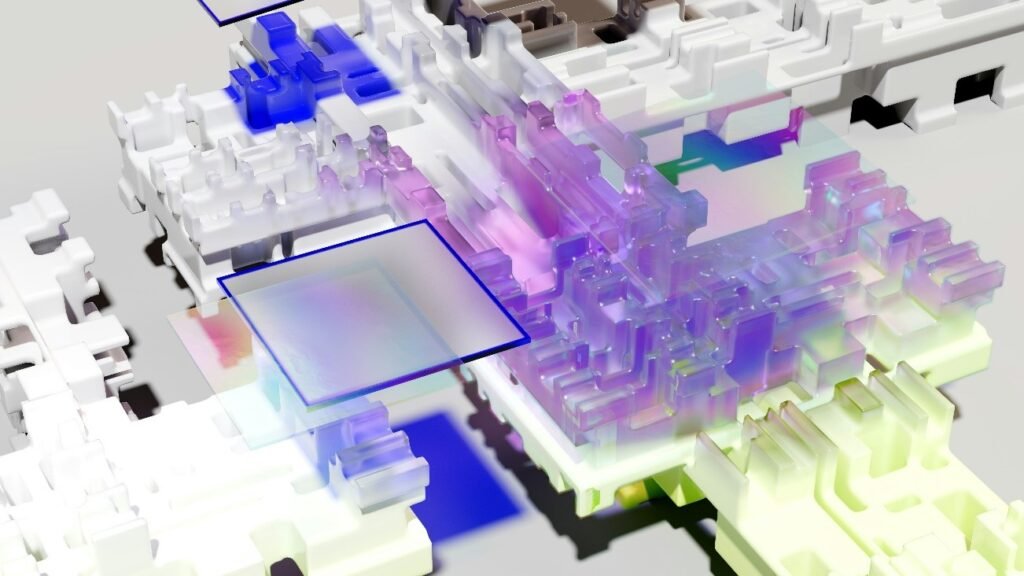
by Google DeepMind (https://unsplash.com/@googledeepmind)
DARPA’s incorporation of atomic vapor-based technologies in its research is allowing it to explore new possibilities for technological advancement. Through this, DARPA seeks to establish new levels of precision in sensor design and manufacture. Such developments could ultimately lead to major breakthroughs in several different sectors.
Quantum Sensor Performance Benefits
| Capability | Conventional Sensors | Quantum Sensors |
|---|---|---|
| Magnetic Field Detection | Moderate precision | Extremely high precision |
| Navigation Accuracy | Depends on GPS | Can operate without GPS |
| Signal Detection | Limited sensitivity | Detects weak signals |
| Environmental Monitoring | Standard measurements | Ultra-sensitive measurements |
| Miniaturization Potential | Moderate | High |
Notable Statistic
DARPA reports that atomic vapor technologies can enable room-temperature sensing systems with significantly reduced size, weight, and power requirements while maintaining high sensitivity.
Source:
Science of Atomic Vapors for New Technologies – SAVaNT
The “Science of Atomic Vapors for New Technologies” (SAVaNT) program aims to
Sensor Development: Creating highly precise sensors for navigation, detection, and measurement applications

Sensor Development is at the heart of today’s ability to navigate, detect, and measure, as the quality of information generated by sensors will determine the quality of decision-making when faced with uncertainty. The primary goal of Sensor Development is to enhance the accuracy, reliability, and selectivity of sensors while minimizing their size, weight, power consumption, and overall cost. This is especially relevant in areas where signal strength is low, environmental conditions are changing rapidly, or there may be attempts to interfere with signals through jamming/spoofing/concealment.
DARPA Quantum Research provides support to sensor development researchers working within the defense and research communities. DARPA’s support for Quantum Research aims to enable researchers to develop new sensor technologies that go beyond incremental improvements to existing sensors. Instead, the focus is on developing sensor technology capable of overcoming current limitations.
The Sensor Development process encompasses many different types of sensors, including: Inertial Sensors for navigation without reliance upon GPS signals, Magnetometers for detecting anomalies, RF sensors for monitoring the RF spectrum, and high-precision timing devices for synchronizing distributed systems.
While each of these uses has its own set of challenges, common to all Sensor Development applications are issues related to Noise, Drift, Calibration, Temperature Sensitivity, Vibration-Induced Interference, and Electromagnetic Clutter. Additionally, the integration of Advanced Materials, Photonics, and Quantum-based Methods has become increasingly prevalent to increase sensor sensitivity and reduce the number of False Alarms (i.e., false positives).
A significant amount of DARPA Quantum Research funding has been dedicated to supporting the development of new sensor technologies by coupling physical advances, such as improved sensitivity and/or reduced false-alarm rates, with rigorous Engineering Discipline (e.g., Repeatable Manufacturing Processes, Robust Packaging Designs, and Verifiable Test Protocols).
In addition to advancing the technical capability of sensors, effective Sensor Development requires Systems Thinking. The “value” of any individual sensor is limited by whether or not the sensor-generated data can be effectively fused/interpreted/trusted in Real-Time. Therefore, many Sensor Development projects include Edge Processing, Anomaly Detection, and Confidence Scoring. Importantly, successful Sensor Development also relies heavily on Field Trials.
That is, prototype Sensor Development systems must demonstrate system-level performance under representative field conditions — not merely laboratory-controlled conditions. DARPA Quantum Research emphasizes Measurable Milestones and Transition Pathways for Sensor Development. As such, DARPA’s emphasis ensures that Sensor Development generates Deployable Capabilities (Improving Navigation Resilience, Expanding Detection Reach, etc.) that meet Operational Needs and enable Scientific Innovation through More Precise Measurement.
Example
A Sensor Development project develops a “GPS-denied” navigation kit for autonomous ground vehicles to use on a dusty desert training site. The development of the navigation kit incorporates three main components: (1) a low-drift Inertial Measurement Unit (IMU), (2) a precise timing module, and (3) a Magnetic Anomaly Sensor to eliminate drift error that can occur from inaccurate measurements.
Over the course of a six-hour route through the desert, the sand and extreme heat will typically cause all types of sensors to fail. However, the prototype remains steady in its alignment throughout the entire time by automatically calibrating itself using predefined terrain features and the magnetic signatures of the surrounding areas. The autonomous vehicle can then maintain consistent waypoint accuracy regardless of whether it receives any external signals.
This would enable safe operation in both contested/dangerous environments and disaster relief situations. The Sensor Development engineering design for long-term stable performance was developed using thermal control and vibration isolation techniques, as well as automated check routines, rather than simply developing sensitive sensors that are easily damaged during laboratory tests.
Atomic Vapors: Enabling quantum sensing through the unique properties of vaporized atoms

Atomic Vapors sits at the core of most Quantum-Sensing Systems due to AV’s ability to be generated, controlled, and measured very precisely. Generally speaking, AV’s are produced by illuminating a sealed, vapor cell containing an atomized gas with one or more precisely defined laser beams. The interaction of this laser beam(s) with specific energy states of the atoms produces a shift in the energy state, which can be detected as a function of a small external perturbation, such as a magnetic field or mechanical rotation.
The reason Atomic Vapors have significant potential is that atoms of the same element generally interact in similar ways, thereby providing a stable, reproducible reference point for measuring changes in the system. Using optical pumping to prepare and probe Atomic Vapors creates extremely narrow spectral features and long-lived coherence times that directly correlate to increased sensitivity.
Therefore, it is no surprise that Atomic Vapors serve as the basis for compact atomic magnetometers, chip-scale atomic clocks, and other inertial- and RF-based sensor technologies. A primary benefit of using Atomic Vapors is that, in many cases, they deliver excellent performance without requiring cryogenic temperatures, making them easier to deploy.
As mentioned previously, however, Atomic Vapors must be turned into “field-usable” sensors through several practical means. Some of these include thermal control of the vapor cell’s internal environment, reduction of laser-induced noise, mitigation of magnetic contamination, and maintenance of calibration over extended periods. Additionally, packaging, power consumption, and resistance to shock and vibration become important considerations when integrating Atomic Vapors into actual platforms.
Through funding of various programs within DARPA Quantum Research that combine atomic physics with systems engineering/validation in a representative environment, we are accelerating our transition towards the development of practical devices based on Atomic Vapors. By emphasizing measurable milestones (i.e., sensitivity, stability/resilience) rather than relying solely on demonstrations in laboratory environments, Atomic Vapors are being viewed by some as a scalable technological foundation for future generations of navigation/detection/precision measurement capabilities.
Example
Atomic Vapors helps a Medical Imaging Company develop better Brain Monitoring devices. Using their proprietary Atomic Vapor Magnetometer technology, they have developed an array of magnetometers capable of detecting very small changes in magnetic fields caused by Neural Activity. Unlike older Cryogenic-based systems, this new system does not require cumbersome cooling equipment.
This allows Clinicians to Localize Seizure Onset Zones with greater ease and comfort. The consistent Quantum Reference of Atomic Vapors provides calibration uniformity; i.e., the same atom has the same transition and therefore always responds consistently. Therefore, the Sensors can be pre-calibrated at the factory and checked during Field-Use. Additionally, the company’s Clinical Usability is a key example of how Atomic Vapors Technology is used: Automated Warm-Up, Drift-Monitoring, and “Quality Score,” which indicates whether the Vapor Cell Environment (Temperature, Laser Stability) is operating according to Spec.
DARPA Tech Breakthroughs: From Defense to Civilian Impact
DARPA has made some of the most important technological advances in history with the goal of enabling civilians to use them. A great example is that they have made technological advances in many areas and applied them to create entire industries. Both aspects are an important part of DARPA’s overall mission.
Advances in quantum technology will also likely play a major role in the next wave of technological development. Quantum technology has the potential to transform computing and communications systems, as well as many other systems. Most DARPA projects serve as catalysts for such large-scale transformations.
Consider some breakthroughs fueled by DARPA research:
- Enhanced cryptographic systems for secure communications
- Advanced materials for sustainable energy solutions
- AI-driven algorithms optimizing complex data tasks
by Steve A Johnson (https://unsplash.com/@steve_j)
Both nationally securing our country through advanced cryptographic techniques to improve safe online transactions and data sharing, along with creating innovative materials through advanced material science, will help save money (cost reduction) and increase energy efficiency.
DARPA’s commitment to advancing cutting-edge technology will continue to drive innovative solutions to the societal problems that we face today. In addition to laying the foundation for future industry development, DARPA’s technology development initiatives may provide many additional advantages, including enabling the United States to remain a world leader in technological competitiveness.
Furthermore, DARPA’s contributions to innovation have far-reaching implications for the development of new areas of expertise across all disciplines. Thus, through innovation, DARPA continues to be a leading driver of technological advancement.
DARPA Tech Breakthroughs: Pioneering cutting-edge technologies that shape the future of science and defense

The primary objective of DARPA’s breakthroughs is to make significant technical investments that may provide national security advantages while also expanding our scientific knowledge.
The primary difference between DARPA breakthroughs and incremental R&D projects lies in the timeline (in years) and the extent to which DARPA encourages researchers to demonstrate what is technically feasible under current constraints (performance, cost, reliability, etc.) in developing those solutions. Since the 1950s, DARPA breakthroughs have produced several civilian technologies based on or extending technologies developed in DARPA programs (e.g., networking concepts, autonomous vehicles).
A second key element of the DARPA breakthrough process is the “program-driven” process. All DARPA Tech Breakthroughs are structured around specific objectives and include both objective test procedures and aggressive milestone schedules. Because of the emphasis on achieving specific milestones, researchers working in DARPA Tech Breakthroughs tend to rapidly transition from theoretical exploration to prototype development to demonstration of the prototype in realistic environments.
In addition, because of the emphasis on delivering specific capabilities at specified times, DARPA Tech Breakthroughs tend to serve as a bridge between basic research and the deployment of capabilities that advance national security. Finally, the “program-driven” nature of DARPA Tech Breakthroughs allows researchers to rapidly identify when their work has failed and to eliminate potential failures before substantial resources are expended.
This same strategy is being applied to the quantum area through DARPA Quantum Research. Specifically, by funding research on sensing, networking, and computing using quantum principles, DARPA Quantum Research seeks to measure progress toward practical implementation.
Additionally, by requiring practical engineering pathways (e.g., packaging, control electronics, manufacturability, and validation), DARPA Quantum Research aims to ensure that quantum-related concepts are translated into useful systems. Therefore, DARPA Quantum Research represents an extension of DARPA Tech Breakthroughs’ overall portfolio into new physics-based areas of advantage.
Ultimately, DARPA Tech Breakthroughs matter beyond any individual technology, since they help develop an innovation pipeline: they reduce the risk associated with new ideas; promote technical communities focused on solving common problems; and establish performance metrics against which future investments can be measured. When successful, DARPA Tech Breakthroughs produce capabilities that improve U.S. defense preparedness and accelerate scientific discovery.
Ultimately, by creating new limits on what can be built and deployed, DARPA Quantum Research will contribute to the next generation of DARPA Tech Breakthroughs that will shape tomorrow’s strategic and technological environment.
Example
A DARPA tech innovation program has 24 months to develop a “Mesh Network in a Box” that can be deployed into disaster areas. The objective is for these deployable nodes to self-configure, resist jamming, and continue communicating as long as the infrastructure remains operational or is damaged. The competing teams are evaluated against the same test criteria (Range, Throughput, Power Consumption, Resilience to Interference) in a realistic field exercise.
One team used an adaptive waveform with Edge AI to detect hostile emitters, while another focused on developing Ultra Low-Power Relay Nodes for Long Endurance. What was developed was not a single product, but a proven ability to quickly transition this repeatable capability to government agencies and first responders — demonstrating DARPA’s model of setting large goals, measuring them with clear metrics, and rapidly iterating.
The Broader Impact: Why DARPA Quantum Research Matters
DARPA’s research on quantum has an impact beyond each project. DARPA’s efforts may help transform how we look at solving computational problems. Problems that were previously unattainable can now become attainable.
The advancement of quantum computing is a key part of this transformation. It enables us to solve difficult problems efficiently using complex algorithms and large amounts of data. It could lead to breakthroughs in fields such as drug discovery and financial modeling.
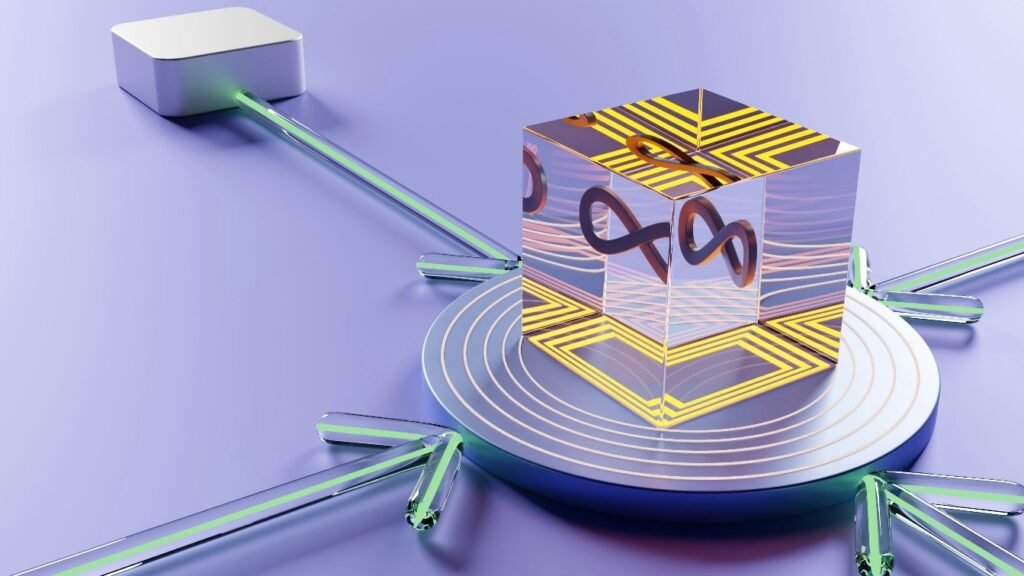
by Growtika (https://unsplash.com/@growtika)
Another significant field affected by advances in quantum computing is secure communication. Quantum Information Science provides methods to create encrypted data with greater security than is currently available. This enhanced level of security could protect our most critical communications from emerging threats.
Moreover, the potential applications of DARPA’s research are vast:
- Revolutionizing materials science with quantum simulations
- Enabling artificial intelligence to process and learn faster
- Improving environmental monitoring with precise quantum sensors
These advances will have a ripple effect across multiple sectors. When these technologies are integrated into everyday life, they could shape economies. Additionally, there are potentially enormous societal advantages, including job creation and opening up new areas of technological opportunity.
As long as DARPA continues to foster innovation, there will always be more opportunities to develop the possibilities created. DARPA continues to push the limits of what we know about science and technology. In doing so, DARPA creates the foundation for the future. Not only does DARPA address current issues, but it also helps lay the foundation for future opportunities.
Looking Ahead: The Future of Quantum Research at DARPA
DARPA’s future development of quantum technologies has already begun. DARPA is currently developing plans to address the potential challenges and opportunities that will arise as these technologies advance.
Future work by DARPA will focus on translating theoretical advancements in quantum technology into practical realities. One of the major components of the agency’s long-term vision is collaborative research. Research collaborations between DARPA, universities, private industry, and other government agencies are an important aspect of increasing innovation. Collaborative research efforts also facilitate quicker transitions from laboratory experiments into actual applications.
A look at DARPA’s future goals might include:
- Developing scalable quantum computers for widespread use
- Creating quantum networks that provide ultra-secure global communication
- Enhancing quantum sensors for new scientific and commercial applications
This continued emphasis on cutting-edge advancement demonstrates DARPA’s commitment to its mission. DARPA continues to demonstrate its global leadership in technological advancement by supporting the development of quantum technologies.
DARPA will strive to be at the forefront as new areas of quantum research emerge. To achieve this goal, DARPA will require significant resources and innovative ideas. Through a forward-looking perspective, DARPA continues to define how quantum technology will evolve. Through its forward-thinking approach, DARPA continues to make key contributions to advancing both scientific knowledge and innovation.
DARPA Quantum Research Timeline
| Year | Milestone |
|---|---|
| 2020 | DARPA lanches SAVaNT initiative for atomic vapor technologies |
| 2021 | SAVaNT research teams selected |
| 2024 | DARPA launches efforts to move quantum computing from "hype to prototype" |
| 2025 | Nearly 20 companies enter DARPA's Quantum Benchmarking Initiative |
| 2026 | HARQ program launched for heterogeneous quantum architectures |
| 2033 | Evaluate feasibility of utility-scale quantum computing |
Key Statistic
Nearly 20 quantum computing companies were selected for the initial stage of DARPA’s Quantum Benchmarking Initiative.
Sources:
darpa.mil
This program will seek to transform how quantum computing systems are designed and scaled by
Conclusion
DARPA’s research in quantum demonstrates how the strategic use of R&D milestones can take the fundamental principles of physics and make them useful as technology. DARPA has invested in the development of quantum sensing (for measuring physical quantities), atomic vapor-based platforms such as SAVANT, quantum computing architectures, and quantum information science.
These investments are developing the components that could transform navigation, detection, communication security, and certain types of specialized computation over the next few decades. Equally important, DARPA’s focus on testability and transition forces quantum concepts to address real-world concerns about size, power consumption, reliability, and integration — therefore, success is measured by performance rather than hype.
It is straightforward why it matters: Quantum-Enabled capabilities have the potential to shift the advantage in contested areas; enhance cyber-security as crypto-threats continue to evolve; and provide new methods to model complex systems that classical computers cannot effectively simulate. The Spillover benefits extend well beyond defense and accelerate progress in Materials Discovery, Medical Imaging, Geophysics,
Energy, and Artificial Intelligence. Ultimately, DARPA’s method will help reduce the risk associated with early-stage breakthroughs and move them closer to deployment, thus providing an incubator or “pipeline” from Laboratory Insight to Operational/Commercial Impact. As quantum technologies develop further, DARPA’s research will be a significant contributor to both National Security Readiness and Scientific Innovation.
FAQs
1) What is DARPA, and why is it involved in quantum research?
DARPA (the Defense Advanced Research Projects Agency) funds high-risk, high-reward R&D to prevent technological surprise and maintain U.S. leadership. Quantum research is a priority because it could transform sensing, computing, and secure communications for defense and civilian use.
2) What is the SAVaNT Program?
SAVaNT (Science of Atomic Vapors for New Technologies) is a DARPA effort exploring how atomic vapor systems can enable new quantum technologies—especially advanced sensors and related components that can be engineered into practical devices.
3) How can DARPA’s quantum work improve navigation and detection?
DARPA-backed quantum sensors can measure time, motion, and electromagnetic or magnetic signals with extreme precision. This can support GPS-denied navigation, improve detection of subtle signatures, and enhance measurement accuracy in challenging environments.
4) Does DARPA’s quantum computing research mean quantum computers will soon replace classical computers?
No. The goal is to achieve targeted advantages for specific problems (e.g., simulation, optimization, certain cryptographic tasks) while addressing major hurdles such as error rates, scalability, and stability. Classical computing will remain essential, often working alongside quantum systems.
5) Why does quantum information science matter for security?
Quantum information science supports more secure communication methods and helps prepare for future cryptographic risks. It informs both quantum-based security tools and the shift toward quantum-resistant encryption to protect sensitive data over the long term.

Garikapati Bullivenkaiah is a seasoned entrepreneur with a rich multidisciplinary academic foundation—including LL.B., LL.M., M.A., and M.B.A. degrees—that uniquely blend legal insight, managerial acumen, and sociocultural understanding. Driven by vision and integrity, he leads his own enterprise with a strategic mindset informed by rigorous legal training and advanced business education. His strong analytical skills, honed through legal and management disciplines, empower him to navigate complex challenges, mitigate risks, and foster growth in diverse sectors. Committed to delivering value, Garikapati’s entrepreneurial journey is characterized by innovative approaches, ethical leadership, and the ability to convert cross-domain knowledge into practical, client-focused solutions.