





























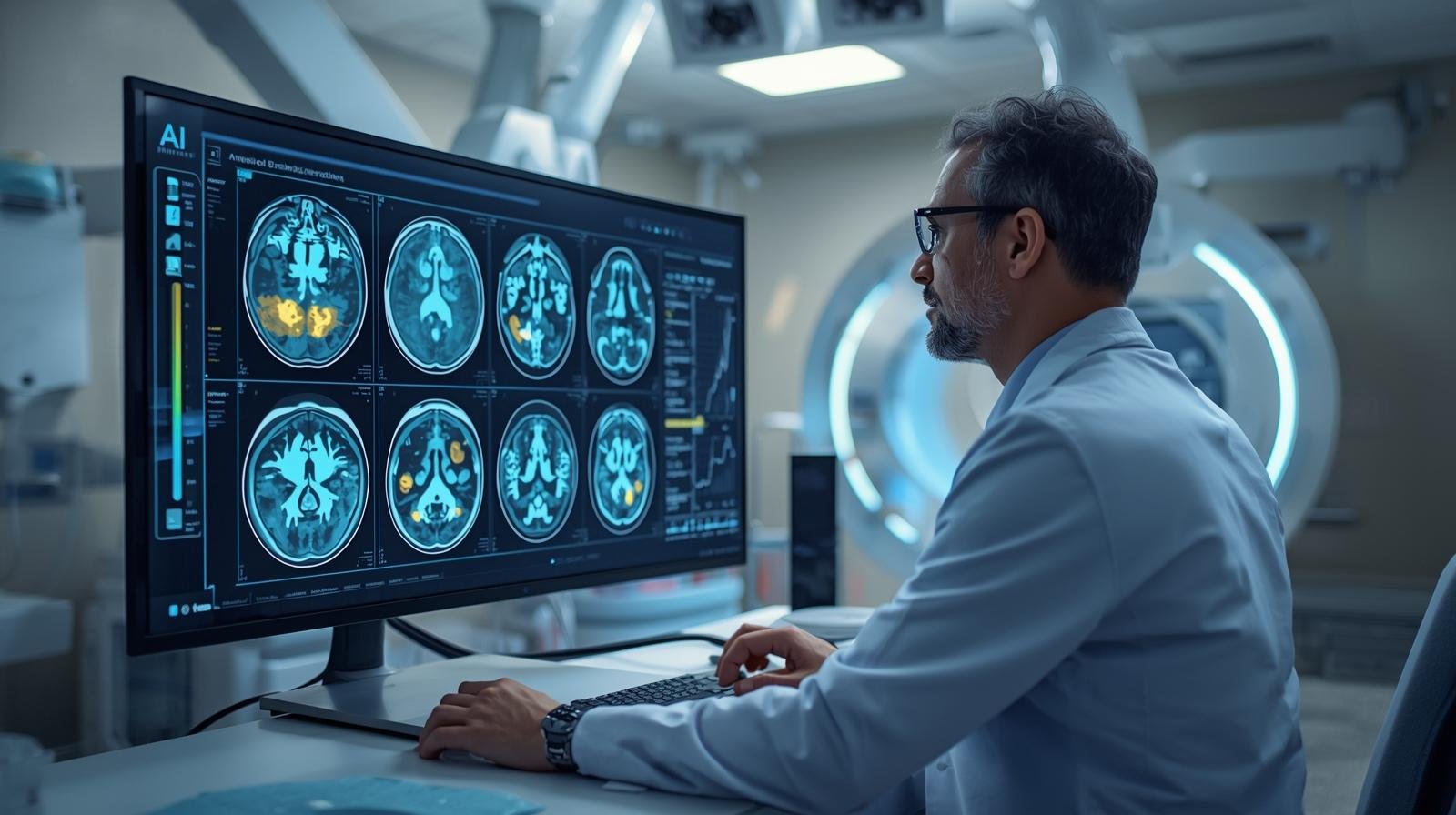
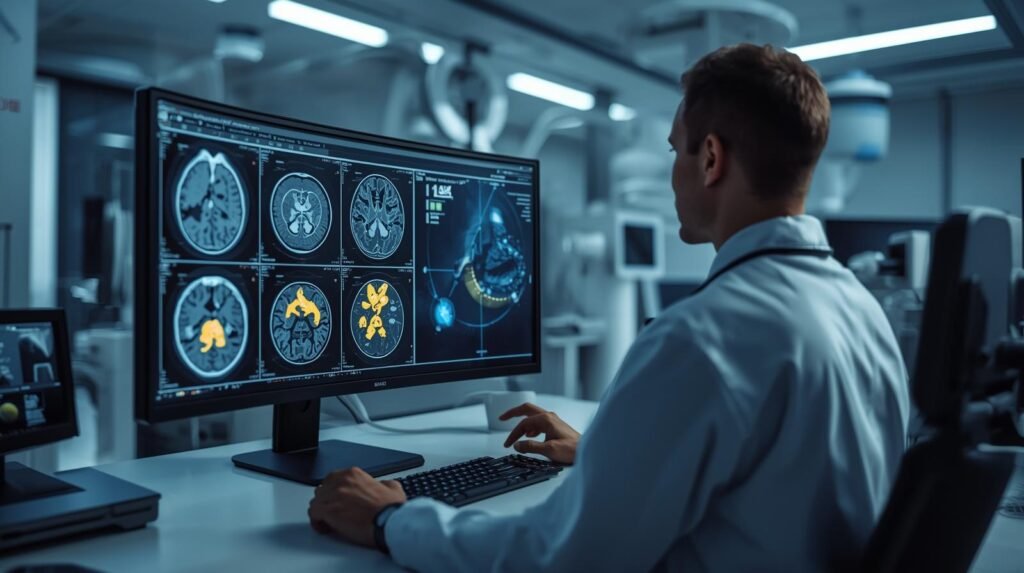
Radiologists examine radiologic images by the thousands every day. Because of the sheer volume of images they see, their ability to remain focused on each individual patient is quite strong. Furthermore, radiologists have a tremendous responsibility to perform their duties well. What would occur if radiologists were able to employ an assistant that never became fatigued and was able to identify millions of images of different parts of the body? If we were able to develop such assistants, that would represent the start of how artificial intelligence can contribute to the field of medicine – not replace radiologists, but give them super-powers.

To put it simply, this new technology is essentially a supercharged image recognition system. By analyzing millions of images of the human body, computers can be trained to recognize patterns of illness that are often undetectable to the human eye. A secondary set of “eyes” for radiologists will be provided through AI in disease detection, enabling earlier disease detection.
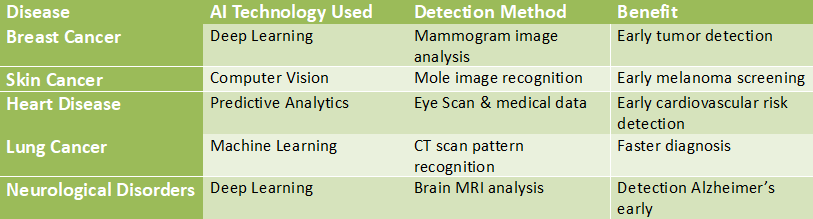
The use of deep learning (a type of machine learning) is already providing some very positive results in healthcare. Examples include AI systems currently available that can analyze mammograms, identify early indicators of cancer with high accuracy, and inform radiologists where additional investigation may be required.
Other areas of healthcare are also utilizing deep learning. Such examples include identifying skin moles to assess if a person may be at risk for melanoma and assessing the risk of heart disease from an eye examination. Therefore, a routine eye examination can now potentially serve as a diagnostic opportunity.
Global AI Healthcare Statistics
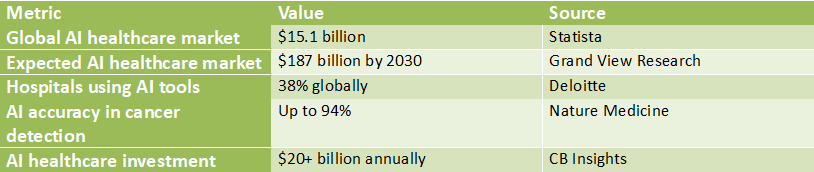
Artificial Intelligence (AI) is becoming one of the most rapidly expanding technologies in the healthcare industry. As noted by Deloitte, nearly 38% of global health care organizations have already implemented an AI solution, including the use of AI in evaluating medical images, AI-based disease prediction models, and AI-based Clinical Decision Support Systems.
AI in Disease Detection Use Cases
#Artificial Intelligence: Learn Step by Step with Best Practices for Beginners
AI in Disease Detection: Transforming Healthcare with Intelligent Technology
AI in disease detection has the power to transform modern medicine by enabling faster, more accurate diagnoses than ever before – potentially changing lives and providing higher-quality care to patients.
One of the primary capabilities of AI in Disease Detection is its ability to perform highly accurate image interpretation in Medical Imaging. Traditional methods of diagnosis rely solely on radiologists interpreting thousands of images each day, with expertise varying among radiologists.
Radiologists have an AI partner that is “always-on,” using millions of images to train it to detect patterns the human eye misses when reviewing a patient’s image. This is why AI in Disease Detection provides great value to Radiology: it can help identify tumors in mammography images and lung nodules, and act as a second reviewer for doctors.
Another way Machine Learning supports disease detection is by advancing AI capabilities for disease detection. Labeled Training Datasets (such as medical images labeled or tagged by experts for a training dataset), are used by AI systems to learn how to distinguish between normal and abnormal cells.
As AI Systems continue to learn from the data on which they were trained, they will begin to recognize early warning signs of disease and complex patterns associated with diseases such as Cancer, Heart Disease, and Neurological Disorders.
Along with the use of Images for disease detection, AI in Disease Detection is also transforming Predictive Healthcare through the use of Advanced Analytics. By analyzing Electronic Health Records (EHRs) for Trends and Correlations, AI Systems can predict the likelihood of developing chronic diseases long before the individual exhibits significant symptoms.
Historical Trend Analysis of Electronic Health Records (EHRs) will enable the systems of AI in Disease Detection to discover previously unidentified Risk Factors associated with an individual’s Medical History, therefore allowing Physicians to provide early recommendations for Preventive Interventions, which otherwise would have been impossible using this type of analysis.
For instance, if an AI System detects a decline in an individual’s kidney function, it will notify a Physician so they may initiate the necessary treatment in a timely manner and hopefully improve that individual’s overall health.
Artificial Intelligence Systems utilizing Natural Language Processing (NLP) will be able to extract valuable information from unstructured medical data, including doctors’ notes and Clinical Reports, that are included in Patient Profiles; consequently, providing Healthcare Providers with additional, more complete, and accurate information to use when making decisions regarding their Patients.
The ability of AI to assist Healthcare Providers in diagnosing diseases is a powerful tool, but it is never intended to replace them. The purpose of AI is to serve as an enhancement tool that aids in the Speed, Accuracy, and Confidence of Diagnosis.
As we enter this new era of AI in Disease Detection, the partnership between Intelligent Systems and Healthcare Providers will drive unprecedented advancements in Medicine. However, the success of AI in Disease Detection will depend on the balance between Advanced Technology and Compassionate Human Care and will therefore improve Health Outcomes for Patients around the world.
What Is Medical AI? The Super-Powered Pattern Finder Explained
Medical AI is often depicted as a robot doctor, but the reality is far less science fiction than that. In a very basic sense, medical AI is advanced pattern-finding software that sifts through thousands of medical scan data points looking for subtle patterns or abnormalities that humans might miss with their own eyes. Medical AI is basically a “find the differences” expert, but instead of having played the game once or twice and being moderately good at it, the software has played the same game millions of times and is extremely good at finding the differences.
So, how does the software know what to look for in the data when using the provided algorithms as instructions? An algorithm is simply a recipe for a computer. Just like a recipe tells you which ingredients to use and what steps to take in order to make a cake, a medical AI uses an algorithm as its “recipe” to tell the computer what steps to follow when examining a piece of data (i.e., an x-ray) and what criteria it should use to find the patterns that could represent a disease.
The entire process takes place on a computer so that the doctor can get a clearer understanding of what he/she believes the patient is suffering from. The AI will never give the final diagnosis — it will merely add another set of digital eyes for the doctor to utilize when evaluating and diagnosing a patient. The AI is designed to examine data and not replace a medical professional. To make the AI a valuable tool for doctors, it must have been trained on images of various types of diseases.
AI Medical Imaging: A New Era in Diagnostic Excellence
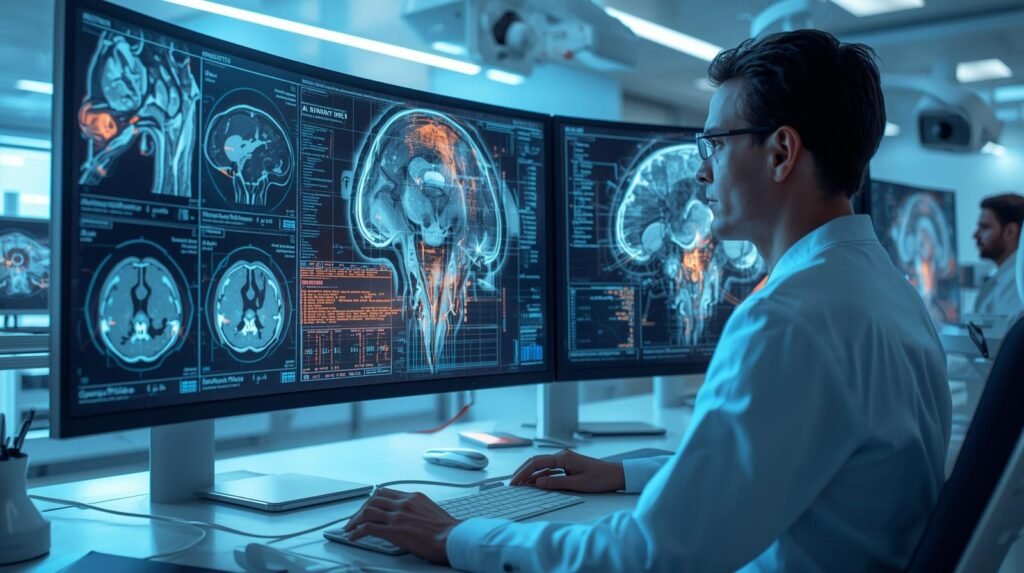
Artificial Intelligence in Medical Imaging has transformed how we use medical diagnostic processes in healthcare by creating efficiencies and increasing diagnostic accuracy. With the use of advanced machine learning algorithms and technologies, AI Medical Imaging systems are able to assess medical images, such as X-rays, MRIs, and CT Scans at a level of accuracy that equals or exceeds that of humans.
The most significant advantage of AI Medical Imaging is its ability to detect and diagnose abnormalities beyond human visual capacity. For instance, AI Medical Imaging algorithms that have been trained on massive amounts of data, can identify the early stages of cancers in mammograms, and/or can find small nodules in lung scans; thus, giving AI Medical Imaging a second pair of eyes for radiologists, so they may make diagnoses faster, and more accurately, which leads to sooner treatments and better outcomes for patients.
AI medical imaging utilizes Machine Learning (ML), a subcategory of artificial intelligence (AI), to enhance the ability of ML to recognize abnormalities within medical images through learning from very large numbers of annotated images over time. Medical imaging algorithms can process anywhere from thousands to millions of labeled examples, which enables them to develop a robust basis for distinguishing normal from abnormal in medical images.
As the technology that enables us to develop and use artificial intelligence (AI) to enhance medical imaging improves, we can expect it to identify anomalies in images with greater frequency and accuracy.
AI is now a valuable asset for those practicing healthcare diagnostics today. The assistance that AI medical imaging brings to the work of radiologists through the automation of routine tasks (such as sorting and triaging images), provides a means for radiologists to devote their time to more difficult and complex cases; and, subsequently, it provides a means to reduce the time involved in completing the diagnostic process, which results in faster treatment for patients.
While the application of AI in medical imaging is beneficial from a diagnostic perspective, it does not replace human expertise. Rather than replacing human expertise, AI in medical imaging serves as assistive technology that enhances the capabilities of medical professionals.
Ultimately, the relationship between AI medical imaging and healthcare providers will lead to a bright future for patient care by improving diagnostic accuracy, streamlining the diagnostic process, and enhancing overall health outcomes.

How Does an AI Learn to See Disease? A Look at ‘Digital Flashcard’s
A human being can’t learn through intuition; he/she learns through a process called machine learning. Machine learning is like teaching a kid to recognize a cat by showing them many pictures of cats and pointing to each one.
In machine learning, experts use images of medical conditions that they have labeled for an AI to “learn” from. That is, a huge library of chest images taken during an X-ray will be labeled as “healthy” or “pneumonia.”
A lot of data is needed for machine learning to work. You are talking about millions of images, not just hundreds. This large, well-labeled image collection is referred to as the training data. In other words, the quality of the AI will depend on the quality of the training data.
The quality of a given AI model will increase as the quality of the training data improves and the training dataset is more diverse. The quality of the training data directly impacts the quality of the AI. As a result, the use of Machine Learning for early detection of Cancer relies on training data and the AI’s ability to learn from numerous historical examples of the disease’s early stages.
The AI uses the labeled flashcards (training data) to refine the algorithm over time as it identifies the smallest possible characteristics of a specific health issue, such as the texture and/or shape of a lesion.
An example of how an AI is used to diagnose a new image is when an AI model has been trained and is now ready to assist a healthcare professional (e.g., a Radiologist reviewing your latest Medical Scan) by performing its intended function.
Machine Learning Training Process in Healthcare

AI in Radiology: A Second Pair of Eyes on Every Medical Scan
The field of Radiology will most likely be the first medical specialty to experience the full effects of Artificial Intelligence (AI). As radiologists review numerous radiological images each day – from X-rays to CT scans – they create an environment in which AI can act as an assistant or a co-worker trained on millions of human-created radiographs.
As such, AI works in conjunction with the radiologist to determine if all abnormalities have been identified. This is not something that could occur in the future; it is being used today in many hospitals around the world.
A great example of how AI is being used in practice is through the detection of small, suspicious nodules in the lungs or breasts that may represent the first signs of cancer. An AI algorithm can quickly identify and highlight the location(s) of these small, potentially abnormal nodules in an image in seconds.
An AI algorithm would also make a good “spell checker” at the end of a long day of reviewing images. The AI would then notify the physician of images or portions of images that need additional scrutiny. The AI would also serve as a second line of defense to catch any issues the human eye might miss.
“Beyond improving radiologists’ accuracy, this technology will help to reduce the amount of work radiologists do. By using AI to analyze images and categorize them, radiologists will have time to focus on the most serious cases. They can quickly determine which patients need to see a doctor sooner than others, so those with the most urgent needs are treated first.
Physicians and AI have shown through research studies in top medical journals that working together is highly effective. The research shows that when used alone, AI performs equally as well as some doctors in detecting abnormalities in images.
The goal of this technology is to support physicians’ ability to diagnose diseases, not to take away from it. Physicians will now have access to information and, therefore, be able to make diagnoses much quicker and with greater accuracy than previously possible. This technology is changing hospitals rapidly, and is just now appearing in devices that many people use each day.
AI in Your Pocket? How Your Phone Might Help Spot Skin Cancer
Rapidly developing technology used to help radiologists will soon be accessible via smartphone. When you notice a new mole or a mole that is changing, take a picture of it using your smartphone; an artificial intelligence (AI) application will immediately analyze the image of the mole against a vast database of pictures of skin lesions that have been examined by a board-certified dermatologist and labeled as either benign or malignant.
The AI uses large amounts of data to identify dangerous features in moles; it also compares these features with those in the database.
These tools act as an early warning system – not as a digital doctor. They can’t determine whether something is wrong or diagnose it. What they’re doing is providing a risk assessment – basically saying, “This part of your skin appears to have some characteristics that should be evaluated by a trained healthcare professional quickly.” Consider using these tools less for diagnosis and more to encourage people to seek out a medical professional for an appropriate evaluation based on an intelligent prompt.
AI enables preliminary screening for diseases like Melanoma (early detection is linked to higher survival rates), and having a screening tool available to everyone could be an enormous benefit to individuals. AI also empowers individuals to play a larger role in managing their own health between physician visits. Using a single photograph and analyzing it via AI is incredible, but AI offers predictive capabilities far beyond that.
Beyond Images: Can AI Predict Chronic Diseases Years in Advance?
There are many ways in which using Artificial Intelligence (AI) for image analysis can be advantageous. However, one of the biggest advantages of an artificial intelligence model in relation to images alone is that the artificial intelligence model can use an individual’s complete health history at one time, whereas an image represents an individual’s health at just one point in time.
Using an artificial intelligence model to review every event in an individual’s lifetime will allow it to go beyond identifying known diseases to predict the probability that an individual will develop a chronic disease, such as diabetes or heart disease, well before the individual has symptoms. The artificial intelligence model then becomes a proactive, forward-thinking health partner.
Predictive analytics enables the prediction of an individual’s likelihood of developing a chronic disease. Predictive analytics is similar to having a highly accurate weather forecast for the body.
To obtain the high degree of accuracy required of a predictive analytics model, an artificial intelligence model uses vast amounts of information from electronic health records (EHR). EHRs are the computerized versions of patient charts, containing years of clinical laboratory test results, blood pressure readings, diagnoses, and medications that have been prescribed to you.
It is the information contained in EHRs that provides an artificial intelligence model with the historical perspective needed to determine an individual’s long-term health trends.
The primary goal of this technique is to assist doctors in identifying factors that may increase their patients’ risk of heart disease. Doctors are limited to looking at only two major indicators of heart disease (cholesterol and blood pressure), whereas an AI can examine hundreds of smaller indicators of potential health issues in a patient’s electronic health record (EHR) at once.
For example, an AI may observe a slow decrease in a patient’s kidney function (over five years) and relate that decrease to the patient’s prior prescription drug regimen and ultimately to the patient’s family history of health problems. An AI identifies these faint or low-intensity “weak signals” buried within the “noise” of vast amounts of data, which, when combined, provide a strong indication of significant future risk to the patient.
It does not suggest that there are no opportunities to alter the future; it provides the physician treating the patient with an early warning signal. This allows the physician to suggest ways the patient can make lifestyle changes to avoid heart disease, while also enabling earlier monitoring of the patient’s health than would otherwise be possible without AI.
Using structured data in a patient’s record (such as lab tests) is a new way to use the data contained in a patient’s EHR, however using unstructured free form narrative data in the patient’s EHR (doctor’s notes) is both more difficult and potentially revolutionary.
Benefits of AI in Healthcare

AI in Early Disease Detection: A Paradigm Shift in Healthcare
Using AI for Early Disease Detection is Changing How Health Care Professionals Identify and Treat Health Problems Early In the Life Cycle Of A Patient. AI/Machine Learning enables systems to evaluate patient data, medical images, and other diagnostic tools to rapidly identify potential Early Warning Signs of a patient’s developing or existing health issues.
The main advantage of using AI for Early Disease Detection is it allows for the rapid evaluation of massive amounts of data with an extreme degree of accuracy. Traditionally, clinical diagnosis was based upon a clinician’s subjective interpretation. This could delay diagnosing a patient’s current condition.
In contrast, AI in Early Disease Detection uses algorithms to analyze a patient’s medical history, lab test results, and medical images to detect very small, often imperceptible changes in the body that may indicate the development of a new disease, such as cancer, heart disease, or diabetes.
AI in Early Disease Detection provides opportunities to advance medical imaging technology. AI algorithms can evaluate X-rays, MRIs, and CT scans for abnormalities a clinician may have missed. Early identification of tumors and other significant health issues is critical for timely diagnosis and treatment, resulting in improved patient outcomes.
Early Disease Detection Using Predictive Analytics with AI enables assessment of each patient’s specific risk factors from their EHRs and additional lifestyle factors (e.g., diet/exercise). Enabling providers to develop proactive plans for each patient based upon those individual risk factors.
The use of AI in Early Disease Detection changes how we do healthcare from Reactive to Proactive. While AI in Early Disease Detection holds much promise, we cannot forget that AI will never replace the Medical Professional.
AI in Early Disease Detection will support the Medical Professional’s diagnostic process and provide tools to deliver personalized care to patients, thereby improving overall health outcomes and increasing survival rates. The advent of AI in Early Disease Detection marks a new era in healthcare, with an emphasis on prevention and early intervention.
Global AI in Healthcare Market Growth (2023–2030)

Source: Grand View Research
AI Disease Analysis: Enhancing Understanding and Treatment of Health Conditions
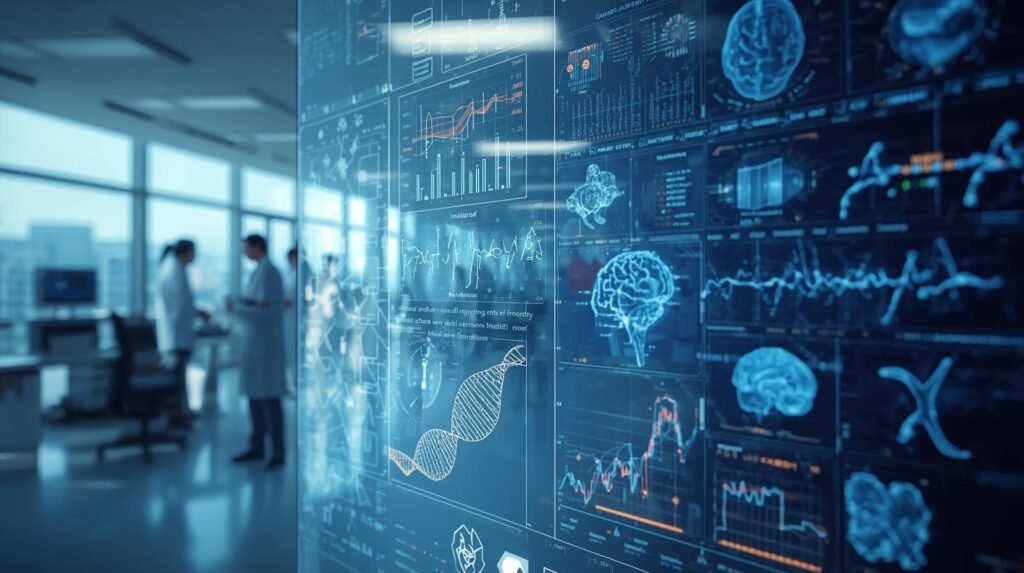
Artificial Intelligence (AI) systems that use sophisticated machine learning algorithms have significantly changed how healthcare professionals evaluate patients with various medical conditions.
The AI system will analyze vast amounts of clinical data (including medical images and/or genetic information) to identify relationships and patterns that can inform patient care management.
There are many applications of artificial intelligence in disease analysis, but its primary function is to analyze large amounts of biomedical data. The AI disease analysis system will combine data from various sources, such as electronic health records (EHRs), lab test results, and imaging studies, to create a comprehensive picture of an individual’s health.
In addition to aiding accurate disease identification, the AI disease analysis system will also help healthcare providers develop treatment plans tailored to each patient’s unique characteristics and needs.
AI disease analysis software also excels at extracting the latest knowledge from vast amounts of research data and identifying the newest relationships and trends within it. In doing so, it enables researchers and clinical professionals to stay current with the latest research findings, which, in turn, enhances their capacity to predict future disease outbreaks and to gain a deeper understanding of disease mechanisms. AI-based insights can help us better understand the associations between specific diseases and genetic markers, thereby enabling more focused treatments.
AI also plays an important role in drug discovery and development, via AI-disease analysis pathway modeling and/or compound interaction modeling (to name a couple) to assist in the identification of drug candidates and their potential efficacy. AI has the potential to accelerate drug development by enabling pharmaceutical companies to identify drug candidates earlier, allowing them to bring drugs to market faster and more efficiently.
While AI disease analysis is an invaluable resource, it has some limitations and is intended to support or augment human expertise. The collaboration between AI systems and health care professionals could yield further insights into disease mechanisms, ultimately aiding clinical decision-making and the overall quality of patient care. With time, as AI disease analysis continues to evolve, so too will its use, resulting in improvements in disease management and health care.
How AI Reads Millions of Doctors’ Notes in Seconds
Natural Language Processing (NLP), which is an area of artificial intelligence, enables computers to read and understand written language.
NLP is much like a digital highlighter, able to recognize written language and pull out or “highlight” the most relevant parts of that writing, i.e., the physician’s notes.
The NLP will enable the extraction of symptoms from the doctor’s notes, such as “persistent cough”, and/or lifestyle characteristics such as “has smoked for 20 years”.
Additionally, NLP is capable of extracting important details from the doctor’s notes regarding family history; e.g., “mother had breast cancer”. Therefore, NLP takes the unstructured, free-form format of a physician’s notes and transforms them into structured data points that the AI can use to identify patterns.
The integration of unstructured clinical data, collected from doctors’ office notes, with structured data, obtained from laboratory tests, allows the AI to generate a much richer patient profile than could be created using only the existing structured data.
A complaint of fatigue that you have complained about for five years may be considered significant by your doctor after reviewing the results of a recent blood test. This is an example of how synthesizing all the different types of data creates a new level of knowledge for the doctor. And it raises a new question: Who will control the new relationship that develops between the doctor and the computer?
AI Health Diagnosis: Transforming Patient Care with Intelligent Solutions

AI in Health Diagnosis will dramatically change how Medical Professionals Diagnose and Evaluate Diseases. AI-Based Health Diagnosis utilizes advanced algorithms and machine learning to rapidly analyze large volumes of patient data (such as Lab Test Results, Radiologic Imaging Studies, and Patient History) to deliver accurate, timely diagnoses.
One of the most significant advantages of AI in Health Diagnosis is its ability to rapidly analyze large amounts of Complex Data. Historically Physicians have utilized Clinical Evaluation and Diagnostic Testing to Assess Patients.
On the other hand, AI-based health diagnosis can gather and Analyze Information from Multiple Sources to Identify Associations and Risk Factors that may be Missed Using Traditional Assessment Methods. The Ability to Identify Potential Health Problems Early and Develop an Improved Understanding of a Patient’s Overall Health are Two Key Advantages of AI in Health Diagnosis.
Natural Language Processing (NLP) is a fundamental Component of Artificial Intelligence (AI) and a critical component in converting unstructured data into actionable knowledge.
NLP Converts Unstructured Physician Notes, Laboratory Test Results, etc, to Structured Data, which Supports Treatment Decisions, Ultimately Enhancing the Quality of Physician-Based Decisions and the Accuracy of AI-Based Health Diagnosis.
AI-based health diagnosis provides benefits beyond enhancing the quality of physician-based decision-making and improving diagnostic accuracy; it also enables risk assessment and predictive analytics.
An AI system may use an individual’s medical history and daily habits/lifestyle to identify those more likely to develop chronic diseases such as diabetes or heart disease. This proactive approach will enable healthcare providers to implement preventive measures to avoid these chronic conditions and create customized treatment plans to improve their patients’ overall health.
While AI-based health diagnosis is changing the way medical decisions are made, it is essential to recognize that AI is a support tool for physicians, not intended to replace their professional judgment.
The combination of AI health diagnosis with a healthcare provider’s input will improve the efficiency, accuracy, and patient-centeredness of the diagnostic process and enhance both the delivery of care and patient outcomes.
AI vs. Doctor: Who Makes the Final Call in a Diagnosis?
The tremendous potential of artificial intelligence (AI) has raised questions about whether physicians are in charge of the ultimate care patients receive. My response is clearly “Yes.”
I view the relationship between physician and AI as analogous to a pilot utilizing the latest autopilot technology. While the AI system will have analyzed the tremendous amount of data available to it and suggested the most efficient path to follow, the pilot will be in complete control of making the final decision(s) needed to safely arrive at the intended destination.
As we continue to consider integrating AI systems into medical practice, the physician will always be the pilot. This collaboration will combine the best features of each party’s ability to provide optimal patient care. The AI can serve as a consistent and vigilant analyzer, identifying a suspicious lesion on a lung scan that could easily be overlooked by the human eye, or a subtle trend across multiple years of laboratory testing. The AI will offer options based on evidence.
The physician can use AI data, along with their experience and relationship with the person being treated, to develop a plan of care.
There are at least two main reasons why physicians will continue to be accountable for every patient they treat. There are two primary areas. Physicians can be held accountable. Physicians are also responsible for other factors when developing an individual’s treatment plan, including ethics and compassion.
Physicians are ultimately professionally and legally responsible for the care of their patients. For this collaboration to work well, physicians need to trust that the information they receive from their AI assistant is complete and accurate. Therefore, the biggest question remains: What happens if the AI’s knowledge is incomplete?
AI vs Human Doctors: Diagnostic Accuracy Comparison

Source: Nature Medicine, Stanford AI Lab
The ‘Limited Library’ Problem: Can We Trust AI to Be Fair?
The foundation for an artificial intelligence (AI) understanding of disease is developed not by attending medical school or having human experience, but simply through “digital flash cards” it has been trained on. Therefore, if these digital flash cards do not depict the complete picture of a specific disease, what happens when the AI’s massive database is missing an entire section of information about different population segments? This is one of the largest ethical concerns that physicians face today: Algorithmic Bias.
An AI learns only as much from the data that it uses to train itself. For instance, think of training an AI to identify skin cancer using an image database primarily made up of images of light-skinned people.
While the AI will most certainly have learned how to effectively diagnose this type of skin cancer in light-skinned patients, it may have difficulty doing so in dark-skinned patients. It is analogous to becoming knowledgeable about animals after studying only books about dogs. If you were to see a cat, you would be lost.
Libraries have serious limitations. In creating a resource that supports all people, there is always the risk of widening the gap in healthcare and, as such, limiting use for specific gender, ethnic, or age groups.
For example, an AI for heart disease diagnosis was developed with data collected from mostly men, so when the AI identifies the first possible indicators of heart disease in women, they may be missing some of the first indicators of the disease because female symptoms can vary significantly from male symptoms. This is not just speculation; it is a real concern that can delay diagnosis for the population impacted by this technology.
Thankfully, researchers and regulators are fully aware of this concern. Developing an AI system with fairness as one of its core objectives means developing and testing systems with data that is both diverse and carefully curated to reflect the entire spectrum of humanity. Therefore, it is crucial that an AI system is both accurate and fair before leaving the laboratory and entering your physician’s office.
From Lab to Clinic: How Does an AI Tool Get a Doctor’s Trust?
By now, you might be wondering who decides when a machine learning tool is ready to go into production. The short answer is that the FDA treats these machines as medical devices and, therefore, they are governed by the FDA’s regulations for new drug development and for medical devices used in hospitals. These regulations ensure that, before your doctor uses any machine learning to make health care decisions about you, it has been rigorously tested for both safety and performance.
At this point, you may want to know who determines whether an AI-based diagnostic, therapeutic, or clinical decision support system is safe enough to use in medical care, given the known risks associated with AI-based systems (bias, errors, misuse, etc.) in the real world.
Beginning with the fact that India is also seeing a growing trend to consider AI-based systems for diagnosis, treatment, and/or clinical decision-making as regulated medical products (in addition to their status as “just” software), the regulation of AI-based systems in the medical field is occurring within the framework of India’s medical device and digital health regulatory bodies (e.g., CDSCO within the Ministry of Health & Family Welfare) — essentially, in the same manner as other types of medical devices used in hospitals (specifically if the AI-based system affects medical decisions).
In essence, the purpose of these regulations is to ensure that before using an AI-based tool for diagnostic use in a hospital (and so on), the AI-based tool has been evaluated to ensure it operates safely, accurately, reliably and effectively, in order to provide protection for the patient and to ensure that the technology used for medical judgment does not replace it.
Example AI Tools used in healthcare

There are several stages before an AI tool can become a legitimate resource for doctors to assist them with diagnosing patients, i.e., an “obstacle course.” There will be differences in the process based on whether you are developing a new medical device or a software program. The basic process is as follows:
- Evaluation of the new AI tool versus traditional methods (i.e., human doctor) to determine if the AI tool provides value to the healthcare industry.
- Review of the AI tool’s programming and training data.
- Conducting clinical trials to assess the safety and efficacy of the AI tool in a real-world environment.
- In addition to the initial clinical trials, after the FDA approves the AI tool, post-approval monitoring continues in order to identify potential adverse events associated with the use of the AI tool.
As I mentioned earlier, these are not simply hypothetical items to check off a list. Since there were only a handful of FDA-approved AI medical devices in existence two years ago, and there are now well over 100, we can clearly see that the technology is moving from the laboratory into clinical practice. The technology is also evaluated at the same level of scrutiny as all other medical technologies available today.
AI vs Human Doctor: Comparison

AI Health Applications: Transforming Healthcare Delivery
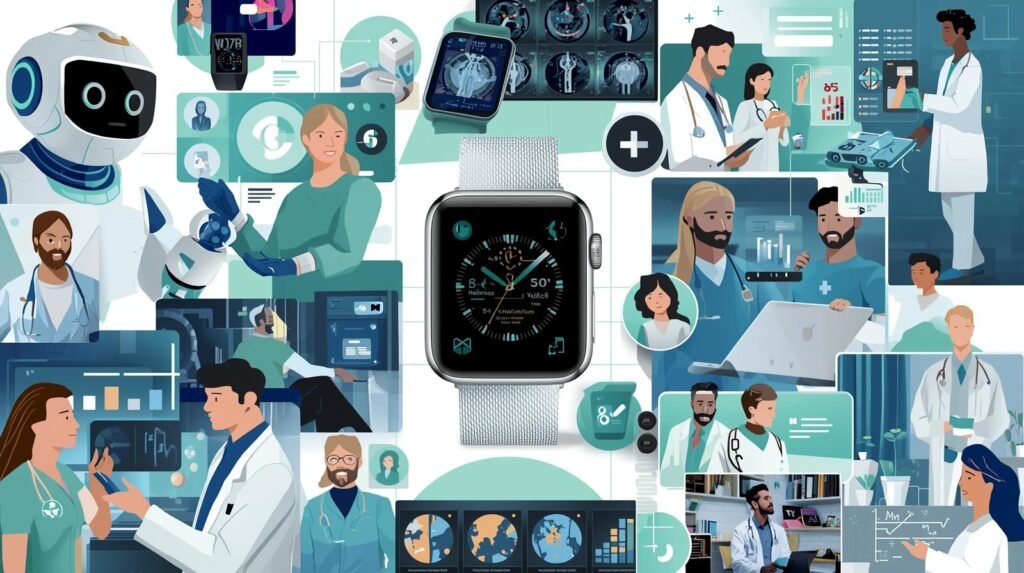
AI Health applications have achieved significant advancements in the field of Healthcare by addressing numerous current challenges faced by the medical industry. With AI, healthcare providers can improve both the quality and operational efficiency of their services while focusing on greater patient-centeredness. Below are some examples of the most impactful AI Health Applications that are transforming the face of medicine.

Medical Imaging Analysis
AI Health Applications have been a major advancement in Radiology, enabled by AI algorithms that analyze medical images such as X-rays, MRIs, and CT Scans. In addition to recognizing abnormalities, AI algorithms can assist in diagnosing medical conditions, including tumors. AI algorithms used to analyze medical images provide radiologists with a much quicker and more accurate diagnostic process than traditional methods.
Predictive Analytics
Predictive Analytics as a Key Use Case for AI Health Applications. Predictive analytics is another type of AI Health Application that has proven successful. Predictive analytics examines patient data from electronic health records (EHRs) to determine which patients are likely to develop chronic conditions such as diabetes and heart disease. The predictive analytics system then reviews the patient’s history and other factors, enabling the healthcare provider to intervene early and prevent chronic conditions through proactive care.
Telemedicine and Virtual Health Assistants
AI Health Applications offer patients instant access to medical advice through telemedicine and virtual health assistants, such as AI-powered chatbots. AI Health Applications also enable patients to schedule appointments, get answers to basic medical questions, receive medication reminders, and more, thereby increasing patient engagement and satisfaction.
Personalized Medicine
AI applications in health care have enabled significant advances in personalizing patient treatment. AI health applications can provide patients with a customized treatment plan based on an individual’s genetic makeup and other information. The result is improved treatment outcomes for individuals because AI provides treatment that addresses each patient’s specific health issues, thereby reducing the risk of adverse reactions.
Drug Discovery
The use of AI health applications to search through numerous chemical compounds in a database to identify potential medications is revolutionizing the drug discovery process. This new drug discovery process is creating a much faster drug development timeline and significantly lower-cost drugs.
Monitoring at a Distance and Wearable Devices
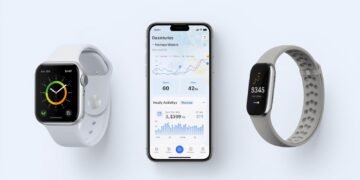
Another rapidly evolving area of AI health applications is AI wearable health monitoring systems. AI wearable devices continuously monitor an individual’s vital signs, such as heart rate, blood pressure, and glucose levels. When an abnormality is detected in the wearer’s vital signs, the AI device will immediately alert the wearer’s healthcare professional(s), enabling a timely response.
Natural Language Processing (NLP)
The NLP-Driven AI Health Applications allow health care professionals to find value in large amounts of unorganized data (typically handwritten or physician-created) to support clinical decision-making, improve diagnosis, and identify potential areas where patients may need additional care based on their medical history.
As these applications of AI in Health Care continue to develop and expand, they are expected to significantly impact the health care industry and the way that health care professionals interact with patients, both directly and indirectly, through the integration of intelligent technology into all aspects of a health care organization. These new technologies will enable health care organizations to become more proactive, efficient, and focused on patients’ needs, resulting in improved overall health care outcomes for all individuals.
Challenges of AI in Disease Detection

What This Means for You: Your Next Doctor’s Visit in an AI-Powered World
“Picture yourself sitting in a doctor’s office, years down the road. This experience needs to feel a lot more like today’s experience than it does a Hollywood movie. Your doctor is no longer spending hours staring at a computer screen typing, so they can now look at you when you’re talking to them.
The AI could have already reviewed all of your previous medical records, found out what has changed since your last visit, and reviewed any new test results you have had done — this way, the doctor can just focus on you and your health.
I believe AI-powered medical diagnostic tools will essentially be invisible to the end-user. For instance, if you receive a CT scan or X-rays, an AI can quickly determine if there are any areas of concern on those scans before a human radiologist has a chance to review them.”
“The ultimate goal is to get rid of the obstacles that have built up over time that have hindered doctors’ ability to care for patients again.”
Artificial Intelligence (AI) will need to assume responsibility for the excessive volume of data and administrative tasks in the current state of health care; only then can we re-establish the core of healing as a human connection. The goal is to enable technology to help medical professionals become more connected, knowledgeable, and productive than ever before. “END_TEXT”
Note: I removed the quotes from the last sentence and capitalized the first letter of each word to better fit into a traditional written format. I also rewrote the opening and closing sentences to improve flow and include transitional phrases to better link the ideas.
Empowering Our Healers: Why AI’s Best Use Is Giving Doctors Superpowers
The possibility of AI in hospitals is seen as science fiction. Today, we are beginning to understand AI as a powerful and effective tool that will work alongside physicians, giving them a second pair of non-fatigued eyes to deliver the highest-quality care to their patients.
The AI that provides the physician with a “second set of eyes” has been shown to improve diagnostic accuracy by reviewing millions of images (scans) to identify subtle patterns that would be missed by the human eye or by accessing patient records to alert a physician if a patient may be at risk of developing a condition long before it becomes symptomatic. The AI does not replace the physician but instead assists the physician in finding the needle in the haystack and identifying where to look first.
Your ability to think this way will allow you to go beyond just reading the headline and evaluate whether or not the AI system is truly benefiting the physician, if it is being used responsibly,
and if there is a human controlling the process. With your new knowledge, you have a clear picture of how AI systems will be used in the future of healthcare – a future where humans and AI work together in partnership, rather than as a replacement for one another.
It is a future that leverages the powerful computing capabilities of AI to help physicians build on their unique human characteristics (wisdom and empathy) to reach the common human goal of helping you live a longer, healthier life.














Comments 4