


















You’ve finally booked that pitch meeting with a Fortune 500 prospect; they’re enthusiastic about your product, but the conversation abruptly halts when you inevitably hear: “Are you SOC 2 compliant?” The point at which this occurs can be a turning point for many growing B2B businesses — either your deal moves forward to signature, or it dies in a procurement email inbox. Rather than seeing this as another bureaucratic hurdle, some of the most successful founders see it as the primary currency of trust in today’s modern business environment.
Although the acronym may look daunting, Systems and Organization Controls 2 (SOC 2), has a very similar function to that of a high-tech digital version of a home inspection. Instead of inspecting the interior/exterior of your “home” for cracks in the walls or leaks under the floor, an independent auditor will evaluate all internal processes used by your organization to ensure your “home” is secure against both intrusion and accidents. This audit does not simply result in a pass/fail grade — the auditor’s assessment verifies that the safety features you claim to have in place are functioning in the real world to safeguard your clients’ data.
In terms of the business value of being SOC 2 compliant, the mindset should transition from a cost to a strategic advantage. When you demonstrate SOC 2 compliance through attestation, it is a strong trust-building mechanism that replaces weeks of intrusive security questionnaires and legal back-and-forth with a single document. By proactively preparing the areas addressed in a SOC 2 report (from access controls to data privacy), you will ultimately shorten the sales cycle and gain access to enterprise marketplaces previously inaccessible due to a lack of SOC 2 compliance.
Most often, overcoming the anxiety associated with the term “audit” will boil down to creating a clear plan of action — while the process of moving from the initial gap analysis to certification typically takes 90 days, breaking the requirements down into actionable tasks will make the process manageable for any-sized team. This Complete & Secure SOC 2 Compliance Checklist for Data Security will serve as your roadmap, guiding you through the criteria you need to demonstrate to future clients that their data is safely stored in your care.
Summary
“Data Security SOC 2 Audit Compliance Checklist” describes SOC 2 as an auditor-based service that builds confidence in a company’s ability to protect its customers’ data and to satisfy an enterprise procurement requirement. The article outlines the five “pillars” of trust as defined by the American Institute of Certified Public Accountants (AICPA). The article emphasizes that security is required; availability, processing integrity, confidentiality, and privacy are discretionary depending on a company’s operations, thus keeping scope, cost, and timeline manageable.
Additionally, the article explains the differences between SOC 2 Type I (“snapshot”) and Type II (“feature film”) audits and describes bridge letters as a method for maintaining assurance between audit cycles.
The article then provides a check-list based approach to implementing SOC 2, which includes starting with strong logical access controls (such as multi-factor authentication, role-based access, password policies, quarterly access reviews and formal off-boarding processes); conducting a risk assessment and establishing an incident response process or “fire drill”; verifying backup and recovery processes through regular testing; and managing third party vendor risk from a perspective of shared responsibility.
Finally, the article addresses the realities of budgeting (such as auditor costs, tooling, and personnel time); identifies common pitfalls such as lack of evidence; establishes a 90-day action plan (scope/ gap analysis, remediation/policy development, evidence/dry run); and stresses the importance of continuous compliance to remain audit-ready year-round.
SOC 2 compliance checklist: A SOC 2 compliance checklist helps organizations ensure their data security controls meet industry standards and audit requirements

The SOC 2 Compliance Checklist is a useful tool for confirming that your Security, Availability, Confidentiality, Processing Integrity, and Privacy controls have been established and implemented in accordance with customer/auditor/regulator expectations. In contrast to simply assuming SOC 2 compliance exists, a SOC 2 Compliance Checklist provides specific actions to achieve it: define the scope, establish controls, gather evidence, and maintain an audit-ready status throughout the year.
A SOC 2 Compliance Checklist is a tool that maps your day-to-day security work to the AICPA Trust Services Criteria. It’s important to note that audits are not simply evaluating the statements you provide – they also evaluate whether the controls you have stated are actually properly documented, consistently applied, and supported by evidence. Use of a SOC 2 Compliance Checklist will reduce last-minute panic by establishing a standardized process for identifying what to review, how to document it, and who is responsible for each control.
Here are the typical items that are included in a solid SOC 2 Compliance Checklist:
- Scope and System Boundaries: Define your In-Scope Products, Environments, Data Types, and Workflows, and provide documentation on what is Out-of-Scope and why.
- Risk Assessment: Document your top Risks (Unauthorized Access, Misconfigured Systems, Vendor Risks, etc.) and how you mitigate these Risks.
- Policies/Governance: Document your Security Policies, Employee Acknowledgment Documentation, Training Records, and Management Oversight.
- Access Control: Implement Least Privilege, Multi-Factor Authentication (MFA), Single Sign-On (SSO) wherever Possible, Regular Access Reviews, and Strong Offboarding Procedures.
- Change Management: Document Code Changes, Approvals, Testing, Rollback Plans, Production Deployment Controls, and Document all Changes to the Code.
- Logging/Monitoring: Collect Logs from multiple systems, Set Alerts for Critical Events, Review Logs at regular intervals, and Document Follow-Up Actions.
- Incident Response: Develop an Incident Response Plan, Define Severity Levels, Conduct Tabletop Exercises, and preserve evidence for Incidents.
- Vendor Management: Complete Due Diligence on Vendors, Monitor Key Suppliers, Document Signed Data Processing Agreements (DPAs)/Service Level Agreements (SLAs), and Document Vendor Security Attestations.
- Business Continuity: Document Backups, Recovery Testing, Recovery Point Objective (RPO)/Recovery Time Objective (RTO) Targets and Responsibilities for Disaster Recovery.
- Evidence Collection: Document Screenshots, Tickets, Reports, and System Exports in an Organized Repository with Dates and Owners.
A SOC 2 Compliance Checklist will be beneficial for planning your audit timeline. For SOC 2 Type I, you must demonstrate that controls were appropriately designed at a point in time. For SOC 2 Type II, you must demonstrate that controls were operating appropriately over a period of time (usually three to twelve months). The best SOC 2 Compliance Checklist will outline what controls require recurring evidence (such as monthly access reviews, quarterly vulnerability scans, or annually DR testing), so you don’t just put off building routine until audit time comes around.
Most importantly, a SOC 2 Compliance Checklist supports continuous compliance: fewer gaps, faster customer security reviews, and greater confidence that you have consistently auditable methods to protect sensitive data.
Example
A 40-person SaaS business created a SOC 2 audit checklist in preparation for their first large-scale corporate deal. The checklist started by defining scope (the production AWS account, the customers’ database, and the support tooling). Then it assigned responsibilities for three additional areas of governance – access control, change management, and incident response.
For each responsibility, there is “evidence to save”, e.g., MFA screenshot evidence that you have enforced multi-factor authentication on your users; every month, someone needs to sign off on an Access Review; Change Tickets within JIRA are required to be approved before they can be implemented; and the Security Owner will investigate all SIEM alerts generated. The Security Owner reviews progress on completing tasks and documenting artifacts (i.e., evidence) needed for the auditor’s review every Friday. By the eighth week, the entire team had documented their processes consistently enough to be ready to send a clean SOC 2 Readiness Package to the auditor.
SOC 2 requirements: Learn the essential SOC 2 requirements organizations must follow to protect sensitive data and maintain security compliance

Understanding the SOC 2 Requirements is vital for any company handling or processing confidential customer information through systems and/or services; since these Requirements are based on the AICPA’s Trust Services Criteria, they essentially require proof that your Controls are clearly established and consistently applied, and that those Controls are supported by documentation. One practical method to address this expectation is to use a SOC 2 Compliance Checklist to translate each SOC 2 Requirement into specific, measurable tasks that your team can track.
Generally speaking, the SOC 2 Requirements require you to determine what aspects of your Systems and/or Services fall within the scope of your SOC 2 engagement (i.e., systems/products/environments/data); identify potential Risks related to those Systems/Services; and develop and apply Controls that will mitigate those identified Risks. Since the auditors will test whether your Controls function as you have described them, your ability to meet the SOC 2 Requirements will depend on the successful implementation of your Controls and the provision of adequate supporting documentation.
Additionally, utilizing a SOC 2 Compliance Checklist will allow your team to establish clear ownership of the tasks associated with each SOC 2 Requirement and to ensure a consistent frequency of task reviews, ensuring that all applicable requirements are met and that supporting documentation is collected and retained.
Typically, key Control Areas that need to be addressed to satisfy the SOC 2 Requirements include the following:
- Security Governance: Security Policies, Employee Security Training, Clear Accountability.
- Access Control: Least Privilege Access, Multi-Factor Authentication, Role-Based Access, Timely Provisioning, and Deprovisioning.
- Change Management: Approval Process, Testing, Separation of Duties, Deployment Tracking.
- Logging and Monitoring: Centralized Logs, Alerting, Documented Investigations.
- Vulnerability Management: Scanning, Patching SLAs, Remediation Tracking.
- Incident Response: Incident Response Plan, Defined Escalation Paths, Post-Incident Review.
- Vendor Management: Due Diligence, Contractual Requirements, Ongoing Vendor Monitoring.
- Business Continuity: Backups, Recovery Testing, Documented Recovery Point Objective (RPO) and Recovery Time Objective (RTO).
To be audit-ready, organizations must use processes that continually provide evidence of compliance with SOC 2 standards, especially for Type II audits that assess the operating effectiveness of controls over a defined time frame. At this point, a SOC 2 Compliance Checklist becomes functional: it provides a schedule of periodic evidence (e.g., monthly access reviews, quarterly vendor reviews, annual disaster recovery testing) and ensures that all such evidence is collected in a timely manner.
A well-kept SOC 2 Compliance Checklist also accelerates customer security review processes by maintaining consistency in your control story and providing easily retrievable evidence of compliance for your customers.
In conclusion, meeting SOC 2 requirements is less about completing a one-time “sprint” and more about developing good, secure habits within your organization. When your staff utilizes a SOC 2 Compliance Checklist as the single source of truth relative to SOC 2 requirements, they will be able to link their daily work activities to SOC 2 requirements, reduce the amount of audit stress associated with these activities, and provide assurance to your customers that you take data security seriously before, during, and after the audit.
SOC 2 Adoption & Cybersecurity Statistics
| Metric | Data |
|---|---|
| Companies requiring SOC2 (SaaS) | 70% + |
| Avg. cost of data breach (2024) | $4.45 million |
| % breaches due to weak access control | 60% |
| Organizations increasing security spend | 80%+ |
| Time to achieve SOC 2 Type 2 | 6-12 months |
Source:
SOC 2 framework: Explore the SOC 2 framework that helps companies implement strong controls for security, availability, and confidentiality

To be audit-ready, organizations must use processes that continually provide evidence of compliance with SOC 2 standards, especially for Type II audits that assess the operating effectiveness of controls over a defined time frame. At this point, a SOC 2 Compliance Checklist becomes functional: it provides a schedule of periodic evidence (e.g., monthly access reviews, quarterly vendor reviews, annual disaster recovery testing) and ensures that all such evidence is collected in a timely manner.
A well-kept SOC 2 Compliance Checklist also accelerates customer security review processes by maintaining consistency in your control story and providing easily retrievable evidence of compliance for your customers.
In conclusion, meeting SOC 2 requirements is less about completing a one-time “sprint” and more about developing good, secure habits within your organization. When your staff utilizes a SOC 2 Compliance Checklist as the single source of truth relative to SOC 2 requirements, they will be able to link their daily work activities to SOC 2 requirements, reduce the amount of audit stress associated with these activities, and provide assurance to your customers that you take data security seriously before, during, and after the audit.
The SOC 2 framework aligns with the 3 categories of security, availability, and confidentiality, which you hear about most often.
The categories are:
- Security: Identity and Access Management, Multi-Factor Authentication, Least Privilege, Secure Technology Configuration, Vulnerability Management, Logging/Alerting, Incident Response. Utilize a SOC 2 Compliance Checklist to record recurring compliance activities, including but not limited to: Access Reviews, Patch SLA’s, and Incident Drills.
- Availability: Capacity Planning, Uptime Monitoring, Backup Recovery Procedures, Disaster Recovery Testing, Change Controls that minimize outages. Using a SOC 2 Compliance Checklist can help you schedule evidence for each category, such as DR Test Results, Alert Reviews, and Backup Verification.
- Confidentiality: Data Classification, Encryption of Data in Transit and At Rest, Key Management, Secure File Transfer, Contractual Controls (NDAs, DPAs), etc., to protect Sensitive Information.
The SOC 2 framework should be used to determine which systems, environments, and vendors fall within the scope of this assessment, and how information flows among them. The SOC 2 framework relies on evidence for the audit: Auditors need documentation – tickets, screenshots, reports, training logs, configurations – that shows controls have been executed as designed over time (especially for Type II audits). At this point, use the updated SOC 2 Compliance Checklist to establish the evidence requirements (what to document, how often, and where to store), so that the audit does not turn into an all-out scramble at the end.
As organizations grow in size and complexity, the SOC 2 framework will also provide a structure for daily/weekly/monthly security hygiene through the establishment of routine review and approval processes. By creating a SOC 2 Compliance Checklist, you can hold control owners accountable for their areas of control, identify gaps early, and provide customers with visibility into your organization’s progress toward meeting compliance obligations.
In summary, the SOC 2 framework is based on the concept of trust: demonstrating that the security, availability, and confidentiality controls you put in place are valid, repeatable, and verifiable. Use the SOC 2 Compliance Checklist as your operating system to ensure your organization remains audit-ready year-round.
#Advanced & Secure HIPAA Cybersecurity for Healthcare Organizations
The ‘Five Pillars of Trust’: Decoding the AICPA Trust Services Criteria Without the Legal Jargon
Envision attempting to complete a standardized test without knowledge of the subject matter included in that test. That is how it can feel to try to achieve compliance without awareness of the actual regulations governing your efforts. The American Institute of Certified Public Accountants (AICPA) identifies the relevant regulations through the Trust Services Criteria (TSC), also known as “the Five Pillars of Trust”. While each category can be used to evaluate your organization’s trustworthiness, the good news is that you typically do not need to use all of the categories for your budget or timeline.
The first and most common criterion for every SOC audit is the “Security” category, also known as the Common Criteria. This is the mandatory baseline requirement demonstrating that your systems have been designed and implemented to protect against unauthorized access — essentially demonstrating that your digital doors have locks and your alarm system works.
For many startups — particularly those simply seeking to remove roadblocks from a sales transaction — selecting only the Security criteria is an appropriate strategy. It provides a simplified approach to meeting SOC 2 requirements and allows you to limit the scope of your initial audit to the essential components.
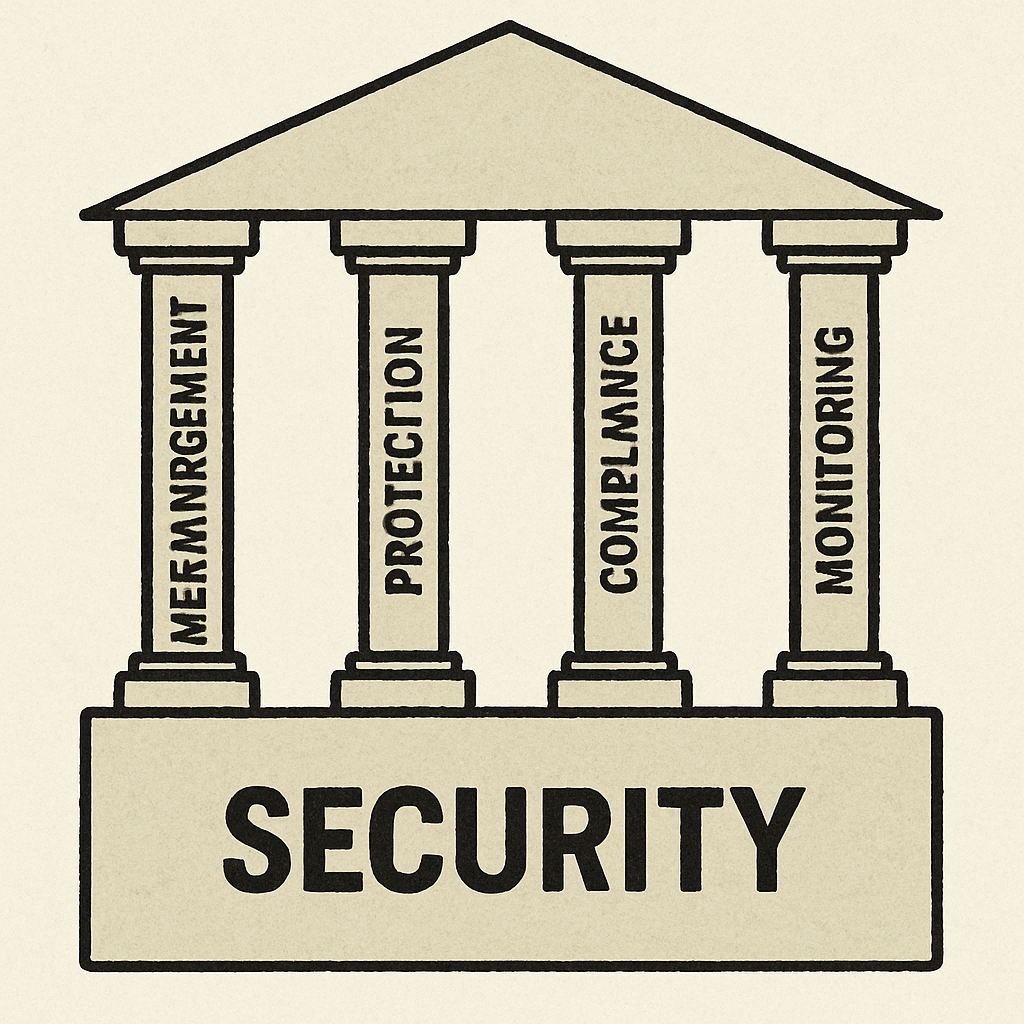
After your foundation has been laid, additional pillars can be added to your structure only when they are applicable to your unique business model. The entire SOC 2 framework is broken down below.
- Security (Required): Are the system’s resources protected from unauthorized access?
- Availability: Was the system operational and available for use in accordance with the commitments made to users or partners?
- Processing Integrity: Did the system correctly, completely, and in a timely manner complete all processing tasks?
- Confidentiality: Were sensitive pieces of information (i.e., trade secrets) appropriately safeguarded?
- Privacy: Was personal information (i.e., name, SSN, etc.) that was gathered by your application appropriately used and discarded in accordance with established policies?
Selecting the appropriate categories is called “scoping” and is the best way to limit audit costs. For example, if you operate a cloud storage service, availability will likely be the highest priority; however, if you develop healthcare applications, privacy will likely be required. When you narrow your focus on the AICPA Trust Services Criteria, which directly affect your product, you eliminate the need to pay for auditors to review those areas of your business that were not requested to be reviewed. After you have selected the criteria to be tested, you will determine how long to test them.
SOC 2 Trust Services Criteria Breakdown
| Trust Principle | Description | Example Control |
|---|---|---|
| Security | Protect systems from unauthorized access | Firewalls, MFA |
| Availability | Ensure systems are operational | Backup & uptime monitoring |
| Processing Integrity | Accurate data processing | Validation checks |
| Confidentiality | Protect sensitive data | Encryption |
| Privacy | Handle personal data properly | Consent policies |
Source:
Snapshot vs. Feature Film: Navigating the Real Differences Between SOC 2 Type 1 and Type 2
Most founders can’t decide which report to pursue first, but they are most likely to visualize the SOC 2 Type 1 versus Type 2 report comparison by viewing a picture rather than a full-length motion picture. A Type 1 report is a snapshot of an organization’s controls on a specific day, validating that the controls were properly implemented (i.e., “you designed the lock”) but does not validate whether those controls were used properly each day.
On the other hand, a Type 2 report is a six- to twelve-month-long movie that validates that controls were operational throughout that period. Therefore, it is the “gold standard” for larger clients who require more than a single point-in-time assessment to provide assurance that their controls will be effective at all times and under all conditions.
This decision about which audit type to use is often driven by financial and security considerations. Many startups will begin with a Type 1 report to immediately unblock the sales pipeline, as it provides a legitimate report to show the prospect while also starting the longer observation window for the Type 2 report. This staged process helps manage the cost of achieving SOC 2 certification by allowing the startup to spread its expenses over time, rather than paying a large upfront sum for a comprehensive audit.
While the Type 2 report will take longer and be more expensive, it is typically what mature procurement departments expect to receive to ensure the organization is operating securely, not merely passable on a scheduled basis.
The time required to navigate between these two audits can be managed using a strategic tool called a “bridge letter.” A bridge letter is a formal document that is issued to prospective customers to inform them that the organization’s security controls have not changed since the date of the last audit, thus providing assurance during the time between the completion of the Type 1 audit and the completion of the observation period for the Type 2 audit.
Using a bridge letter enables the organization to demonstrate confidence in its control environment and maintain stakeholder trust without requiring a monthly audit report, thereby allowing business deals to move forward while auditors continue to evaluate the organization’s internal processes and controls.
While the selection of either the Type 1 or Type 2 report may vary by an organization’s circumstances, the practical effort of implementing security remains constant. Regardless of the selected audit type, both Type 1 and Type 2 reports require sufficient documentation and evidence to demonstrate that the organization adheres to its documented policies and procedures governing employee access to sensitive information and data. To prepare for the audit, organizations should develop a SOC 2 Type 2 Compliance Checklist to ensure they are ready for the detailed scrutiny it entails.
The process of transitioning from a theoretical model of security to a compliant organization begins with identifying and controlling one of the most common vulnerabilities in today’s organizations: the exact individuals who hold the keys to the organization’s systems.
SOC 2 Type 1 vs Type 2 Comparison
| Feature | SOC 2 Type 1 | SOC 2 Type 2 |
|---|---|---|
| Scope | Point-in-time | Over time (3-12 months) |
| Focus | Design of controls | Effectiveness of controls |
| Audit Depth | Basic | Comprehensive |
| Trust Level | Moderate | High |
| Use Case | Early-stage compliance | Mature organizations |
Source:
SOC 2 Type 2 compliance checklist: Understand the SOC 2 Type 2 compliance checklist used to verify long-term security controls and operational effectiveness

A SOC 2 Type 2 compliance checklist can be used to demonstrate that your security controls have been implemented and are being followed consistently over a designated period (usually 3-12 months). This approach differs from a SOC 2 type 1 compliance report, which provides only a snapshot of a company’s security controls at a single point in time; rather than focusing solely on point-in-time reporting, a SOC 2 type 2 compliance checklist evaluates the operational effectiveness of security controls through testing that proves whether or not controls were completed on schedule and supported by repeatable evidence.
Using a SOC 2 Compliance Checklist alongside the SOC 2 Type 2 Compliance Checklist can also help teams organize tasks, assign owners, and centralize supporting documentation for each task in one place.
To properly prepare for this process, consider using the SOC 2 Type 2 compliance checklist as an ongoing calendar-driven program rather than a one-time project. To do so, you will need to clearly outline what systems, environments, data flows, and vendors will be included within the scope of your SOC 2 Type 2 compliance checklist. Next, identify which of the Trust Services Criteria are applicable to your organization (typically Security, but could include Availability and/or Confidentiality) and the specific types of evidence required to support each control. Finally, a SOC 2 Compliance Checklist may help convert the SOC 2 Type 2 compliance checklist into regular monthly and quarterly programs.
SOC 2 Type 2 Compliance Checklist:
Typically addresses the following Control Areas:
- Access Controls (MFA, Least Privilege, Joiner/Mover/Leaver Processes, Recurring Access Reviews)
- Change Management (Approval Process, Testing, Deployment Tracking, Separation of Duties)
- Logging & Monitoring (Centralized Logs, Alerting, Documented Investigations)
- Vulnerability Management (Scanning Cadence, Patch Service Level Agreements, Remediation Tracking)
- Incident Response (Response Plan, Escalations, Post-Incident Review)
- Vendor Management (Due Diligence, Contracts, Ongoing Vendor Monitoring)
- Business Continuity (Backup Strategy, Restore Test, Disaster Recovery Exercises)
A robust SOC 2 Compliance Checklist also outlines the standards for evidence. For instance, a SOC 2 type 2 compliance checklist should detail what to record (tickets, screenshots, reports, system extracts), when (weekly/monthly/quarterly) and in what manner (in a controlled repository with dates and owners), so as to avoid “we did it, but we didn’t record it,” which could stop a SOC 2 type 2 compliance checklist review dead in its tracks.
Timing is everything; your SOC 2 type 2 compliance checklist will need to map all controls to the audit time frame and include deadlines for submitting overdue evidence, addressing exceptions, and remediating issues. Utilizing a SOC 2 Compliance Checklist for ongoing reminder activities (access reviews, DR testing, vendor reviews) will help eliminate missed events and keep your SOC 2 Type 2 Compliance Checklist on target.
The common pitfalls that a SOC 2 Type 2 compliance checklist will help avoid include inconsistent access reviews, production changes made without approval, incomplete incident documentation, and a lack of documentation of backup and restore verification. However, if you institutionalize the SOC 2 Type 2 compliance checklist by having control owners regularly meet and provide input on centralized evidence collection and management, you will experience significantly less disruption during the testing phase. The best way to turn a SOC 2 Compliance Checklist into an audit-ready, year-round process is to execute it effectively.
Example
A Fintech startup will run a SOC2 Type 2 Compliance Checklist for a Six (6) Month audit period. The compliance checklist is Calendar-Based: Weekly Vulnerability Scans, Monthly Access Reviews, Quarterly Vendor Reviews, and One Disaster Recovery Restore Test. In order to provide dated evidence to support each recurring event- weekly scan reports, monthly access review notes, quarterly vendor SOC Reports, and quarterly Disaster Recovery Test Results, including the outcome of the testing.
If an Engineer fails to include an Approval in an Emergency Change, the Compliance Checklist will flag that as an Exception, begin Remediation, and document when the change is retested. At the conclusion of the Six (6)- month audit period, there is complete, timestamped documentation of all events within the Observation Window.
SOC 2 compliance checklist template: Use a SOC 2 compliance checklist template to simplify the process of preparing your organization for a successful SOC 2 audit

A SOC 2 compliance checklist template is a format that helps you repeat steps when preparing your organization for a SOC 2 audit, rather than having to recreate the process each time. Utilizing a SOC 2 compliance checklist template in conjunction with a SOC 2 compliance checklist will convert broad trust criteria into specific actionable items, including who is responsible for completing them, by what date, and the type of evidence you will be required to provide to an auditor.
Begin to utilize the SOC 2 compliance checklist template to define scope for the SOC 2 audit: which of your products, systems, environments, and data flows will be considered “in-scope” as well as which of the Trust Services Criteria (commonly security, but also availability and confidentiality) apply to those in-scope areas. The SOC 2 Compliance Checklist should then include mapping each in-scope area to the relevant controls, along with the evidence you will need to provide to an auditor.
A typical SOC 2 compliance checklist template is a practical checklist to help guide your organization through the various work streams of SOC 2, such as:
- Governance and Policies: Security policies, employee training, role assignment/ownership and Management oversight
- Access Control: Multi-Factor Authentication (MFA), Least Privilege, Access Reviews and Off-Boarding Logs
- Change Management: Approvals for Changes, Testing of Changes, Documentation of Deployments, Roll Back Plans
- Logging and Monitoring: Centralized Log Review, Alert Review, Documented Incident Investigations
- Vulnerability Management: Scanning Cadence, Patch Timelines, Remediation Tracking
- Incident Response: Incident Response Plan, Tabletop Exercises, Post-Incident Reports
- Vendor Management: Due Diligence, Contracts with Vendors, and Ongoing Vendor Reviews
- Business Continuity: Verification of Backup Data and Recovery Testing
One of the most valuable aspects of a SOC 2 Compliance Checklist Template is its consistency in documenting controls. In addition, this consistency eliminates many of the most common omissions in SOC 2 compliance documentation, such as incomplete Access Review Evidence and missing documentation of investigations into received alerts.
A SOC 2 Compliance Checklist Template will help you maintain a record of recurring tasks associated with SOC 2 compliance (e.g., monthly reviews, quarterly vendor assessments), thereby supporting ongoing readiness rather than serving as a last-minute resource before an audit.
To make the SOC 2 Compliance Checklist Template as effective as possible, you should define the rules for collecting evidence: which types of screenshots, reports, and tickets are acceptable, how often they should be collected, and where they will be stored. Your SOC 2 Compliance Checklist Template should also identify a “control owner” for each control and include escalation procedures if evidence is late or a control has failed.
Additionally, your SOC 2 Compliance Checklist Template should be tailored to your specific environment (e.g., cloud provider, CI/CD tools, ticketing system, IAM setup); therefore, as your systems change, your SOC 2 Compliance Checklist Template should be updated accordingly. When used consistently, a SOC 2 Compliance Checklist Template, along with a SOC 2 Compliance Checklist, will simplify preparation, minimize disruption during audits, and increase confidence that your controls will withstand auditors’ scrutiny.
Example
A Health Tech Company is utilizing a SOC 2 Compliance Checklist Template to standardize all preparations across departments. This template will have sections that are used to map the scope of the service(s), how they align with the Trust Services Criteria, what type of control it is, a description of the control, who owns the control, how often the control should be reviewed, and acceptable evidence as proof that the control was completed.
The HR lead will fill in the Training & Onboarding Controls section; Engineering will fill in the Continuous Integration/Continuous Deployment (CI/CD) and Change Control sections; and IT will fill in the Device Encryption & Mobile Device Management (MDM) settings. There is also an “Exceptions” Section within the template to document any missed reviews or Corrective Actions. By using the same template, management can identify and address Gaps (such as missed Vendor Re-Assessments) before starting the audit process.
Real-World Example: SOC 2 Implementation
| Example | SaaS Startup Achieving SOC 2 Type 2 |
|---|---|
| Implemented MFA, encryption, and logging systems | |
| Used automation tools for compliance tracking | |
| Completed audit in 9 months | |
| Result | Increased enterprise client trust |
| Faster deal closures | |
| Reduced security incidents |
Source:
SOC 2 compliance checklist Excel: Download a SOC 2 compliance checklist Excel sheet to track security controls, policies, and audit readiness efficiently

The SOC 2 compliance checklist Excel sheet provides an organized method for managing the SOC 2 process by listing all controls, their owners, the required evidence, and the deadline.
Using a SOC 2 compliance checklist excel sheet is a much better approach than using separate and unorganized documentation, and/or using tickets to document compliance requirements from auditors; since the SOC 2 compliance checklist excel sheet will provide all the information requested by auditors regarding each control, i.e., the definition of the control, where it resides, the person responsible for the control, how many times per year the control occurs, and the type and source of evidence to support that the control occurred as intended.
The SOC 2 compliance checklist Excel worksheet will pair well with a SOC 2 Compliance Checklist that outlines the general program and expected outcomes for your organization.
A practical way to organize a SOC 2 compliance checklist Excel worksheet is to arrange it by your organization’s scope and the specific Trust Services Criteria you are seeking to have certified (most organizations seek Security certification in addition to Availability and Confidentiality certifications).
Your SOC 2 Compliance Checklist should be used to determine what to include in the SOC 2 compliance checklist Excel worksheet; however, this is where the execution of your SOC 2 Compliance Checklist is tracked.
A typical layout for a SOC 2 compliance checklist Excel worksheet will include the following columns:
• Control ID • Control description • Mapping to Trust Services Criteria • System/Component • Control owner • Frequency of occurrence (i.e., daily/weekly/monthly/quarterly/annually) • Type of evidence required (e.g., report/screenshot/ticket/log export) • Where is the evidence located (link) • When was the last time the evidence was reviewed/completed • What is the next time that the evidence needs to be reviewed/completed • Is there any exception to the evidence • Status of remediation.
Keeping the data entry fields consistent throughout the SOC 2 compliance checklist Excel worksheet will make managing your SOC 2 Compliance Checklist easier across multiple teams.
A typical SOC 2 Compliance Checklist Excel workbook will have separate tabs for each of these significant areas:
- Access Control – On/Off Boarding, Multi-Factor Authentication (MFA) enforcement, Privileged Access, and Access Reviews
- Change Management – Approvals, Testing Documentation, Deployments, Emergency Changes
- Logging & Monitoring – Alert Review Process, Investigations, Escalation Documentation
- Vulnerability Management – Scan Results, Patch Timelines, Remediation Proof
- Incident Response – Incidents, Incident Timelines, Lessons Learned, Follow-up Actions
- Vendor Management – Due Diligence, Contracts, Vendor Review Processes
- Business Continuity – Backups, Restore Tests, Disaster Recovery Exercises, and Results
Another benefit of using a SOC 2 compliance checklist Excel template is that it helps you maintain cadence in your SOC 2 compliance checklist and keep it up to date and ready for an annual Type II audit. The best way to do this is to use conditional formatting to highlight overdue items, and a “monthly evidence” filter to quickly identify outstanding items. Additionally, including a dashboard that shows the current completion status for each domain will allow you to proactively manage your SOC 2 Compliance Checklist, rather than waiting until the end of the year to perform audit cleanup in your SOC 2 compliance checklist Excel file.
In addition to maintaining the integrity of your internal shared SOC 2 compliance checklist Excel workbook, establish clear guidelines regarding which individuals can make edits to the workbook; as well as how evidence links should be named; and the frequency at which updates need to be completed (i.e., within 48 hours of completing a control).
As your SOC 2 compliance checklist Excel sheet continues to grow over time, it will become a living document that captures operational consistency and demonstrates to auditors that your organization has a history of consistent performance with regards to your SOC 2 compliance checklist — while your SOC 2 Compliance Checklist will continue to serve as the governing standard for defining “completed”.
Example
To help prepare for a SOC 2 audit, an organization creates an Excel template using a pre-made SOC 2 compliance checklist because it does not want to buy a new tool or system. Tab 1 of the spreadsheet has all the required security controls listed with fields for who owns each control, how often they are performed, what was completed most recently, what needs to be completed soonest, and a field that contains a link to where the evidence is stored on a networked storage area called a “shared drive”. Tab 2 lists vendors that have completed SOC audits in one place, along with their renewal dates and links to their reports.
Tab 3 provides an overview of overdue tasks and shows completion status by domain (Access, Monitoring, Incident Response). The conditional formatting in this tab changes the cell color to red if no evidence is provided beyond the due date. At audit time, the Excel document serves as the single source for quick access to evidence.
Step 1: The ‘Who Has the Keys?’ Checklist for Logical Access Controls
The first real-world measure to implement logical access control to protect your business’s front door for SOC 2 compliance is securing the physical front door to your facility. Auditors will evaluate your systems based on a “zero-trust” model, and therefore assume that every unsecured login ID/credential represents a potential avenue for an attacker to gain access to your system.
This does not imply that all employees are under suspicion; however, it suggests that your organization needs to shift from a convenience culture (i.e., one where all employees share the admin password) to an accountable culture. Tightening the controls described above limits the potential “blast radius” of an attack, so that a compromised employee’s laptop cannot grant an attacker full access to your entire client database.
Access to resources should be granted in accordance with the “Principle of Least Privilege”, another important principle that states users should be granted only the minimum level of access required to perform their job functions. In other words, a Marketing Intern would require access to social media platforms to do their job, but would not require the ability to delete production databases or view sensitive payroll information.
Limiting the access levels and segregating access to only those things that a user needs to complete their job function(s), provides protection against both unintentional data loss and intentional data theft. When all employees have “Super Admin” privileges, a phishing e-mail can compromise your entire operation; when access is segregated, the damage will be limited to a single user’s scope.
Your documentation of employees’ access to certain applications and/or services will be important to auditors. Auditors want to see evidence of how you enforce your policies; therefore, access controls are more than just policies or procedures; they must also be enforced and documented as such. The five items below are the most important components of the SOC 2 Compliance Checklist for access control that you can provide to auditors:
- Multi-Factor Authentication (MFA): Implement MFA on all critical systems, including email, cloud infrastructure, and HR portals, to prevent unauthorized devices from accessing data by using an authorized person’s username and password.
- Role-Based Access Control (RBAC): Define specific roles or profiles for users (i.e., “Developer,” “Sales,” “Admin”) to apply consistent permissions across the organization based on the role or function of each user, versus giving access on an individual basis at the request of the user.
- Quarterly Access Reviews: Develop a recurring process to review users’ access levels and remove access once it is no longer needed.
- Strict Password Policies: Implement a password manager to help ensure users create and store unique, complex passwords rather than common ones (e.g., “Password123”).
- Formal Offboarding Process: Document the process for de-provisioning users, i.e., revoking access to all system resources within 24 hours of separation.
It is very important that you document the “life cycle” of a user’s account, especially during the offboarding process. In addition to requesting a list of employees who have separated from the company in the last year, auditors may request screenshots demonstrating the exact date and time when the access was removed. Although technical controls are required, human error remains involved in access management.
Providing security awareness education to your employees on the rationale behind technical controls and the importance of compliance will be crucial to ensuring your team understands why these barriers are necessary. After securing the door and controlling who has the key, the next logical step is to prepare for the inevitable sounding of an alarm.
Step 2: Building Your ‘Digital Fire Drill’ Through Incident Response and Risk Assessment
The SOC 2 audit is like trying to get insurance on a building without first knowing whether it was built with bricks or straw. A SOC 2 audit identifies potential threats to your digital business; the auditor does not require you to eliminate all threats.
You can begin this process by developing a 4-quadrant matrix of potential threats (e.g., a ransomware attack, an employee) based on the probability of each event and the potential damage it would cause. By mapping these four quadrants, you demonstrate to the auditor that you are focusing your limited security dollars on the potential risks that could actually put your business at risk, rather than spending money on hypothetical risks that often do not materialize.
Once you have identified the risks, you will have to accept that, no matter how good you are at preventing incidents, there will still be outages and/or security alerts. Additionally, even the most secure businesses will experience outages and/or security alerts; therefore, the SOC 2 auditor is looking at your preparedness to respond to these events, not perfection.
Your Incident Response Plan (IRP), also known as your Corporate Fire Drill, will help mitigate some of the event’s effects and minimize the time your customers will be down. When you have an event, such as a customer’s personal information being compromised, or when your application goes down, your team should already know who to contact and follow a written plan that outlines the steps they should take to minimize the impact of the event and restore service to your customers as quickly as possible.
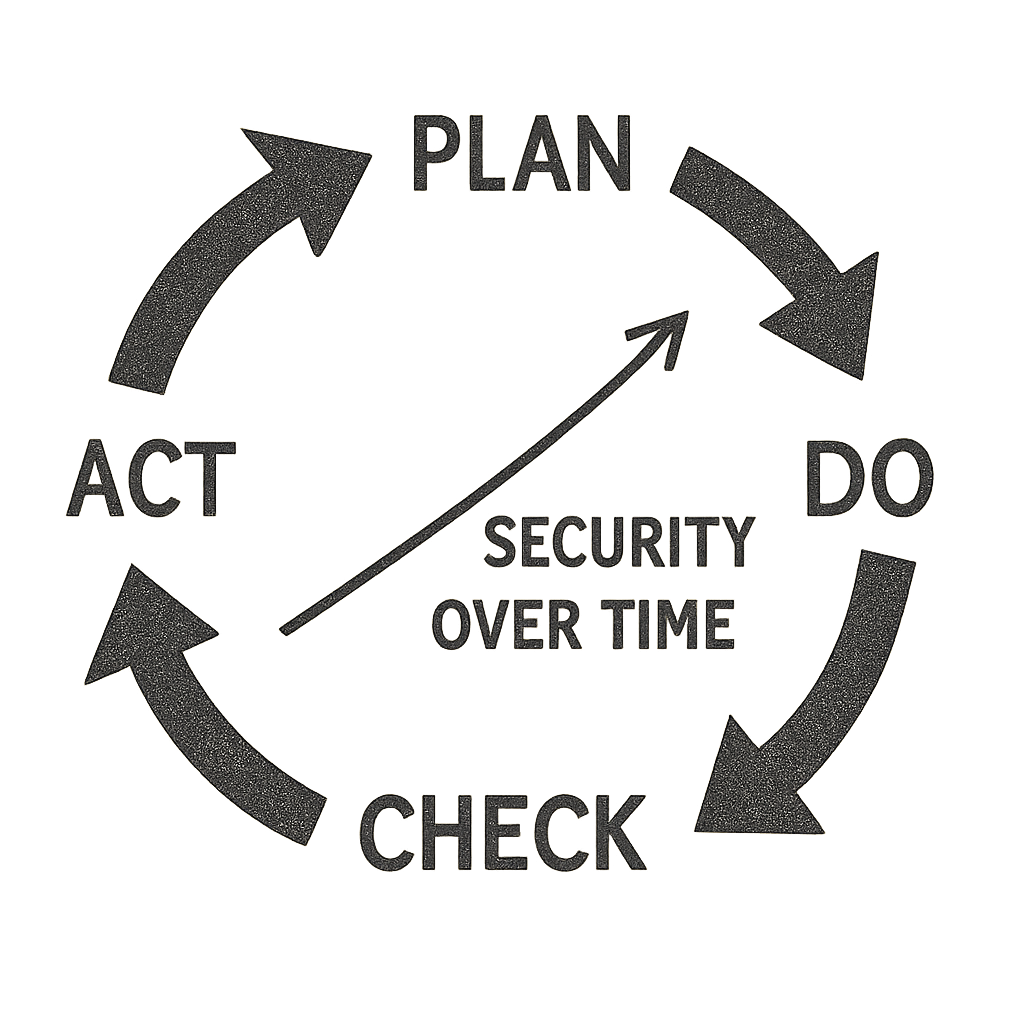
Developing an incident response plan that satisfies the specific documentation requirements outlined in the trust services criteria will be more than just creating an emergency protocol. Your Incident Response Plan should provide a life cycle for each incident so you are doing more than fixing the immediate issue; you are learning from it. When building your SOC 2 Compliance Checklist Template, ensure that your incident response plan includes the following five distinct phases of an incident:
• Identification: Identifying when something is wrong (i.e., a server alert, user complaint, etc.)
• Containment: Immediately stopping the incident from continuing to spread (i.e., removing a computer from the network after it has been infected by malware)
• Eradication: Eliminating the source of the incident (i.e., eliminating the malware, applying patches to a vulnerability, etc.)
• Recovery: Bringing systems back online in a safe manner (i.e., restoring backed-up data onto servers, etc.)
• Lessons Learned: Post-Mortem meeting to identify what went wrong and develop a plan to prevent it again.
Your Disaster Recovery (DR) and Business Continuity Planning go hand in hand with your Incident Response Planning. DR/BC planning addresses the overall question of how to keep your organization running during a major disaster. While you do not need a multi-million dollar backup facility to pass an audit, you do need to demonstrate that you back up data on a regular basis and, more importantly, that you annually test those backups to prove they actually function. Regardless of the quality of your internal plans, all internal plans have one large blind spot: the software and services that you purchase from others.
Step 3: Managing the ‘Weakest Link’ with Third-Party Vendor Risk Policies
The vast majority of modern startups are built on major industry leaders such as Amazon Web Services (AWS), Google Cloud, or Stripe. While using a large platform provides speed of development, it creates a significant blind spot because a security breach at one of those organizations could rapidly become a problem for you. In addition to requiring you to create a formalized third-party vendor risk management policy to prevent potential vulnerabilities being inherited from the software you are relying upon, auditors will also expect you to demonstrate that you have reviewed the security posture of the organization prior to giving them access to your customers’ data.
To assess whether an entity (vendor) is trustworthy, it typically includes asking them to provide their own SOC 2 Type 2 report. Then review the auditor’s “Opinion” section; in essence, the auditor has provided a ‘passing grade’. Review the report to confirm that it addresses the specific services you use and that the audit period is up to date, thereby eliminating any potential exposure periods within the vendor’s coverage area.
When creating your SOC 2 compliance checklist Excel sheet, include a column to record when you last reviewed each vendor, so you do not forget to request updated reports annually. This minor administrative task will show your auditor that you are actively tracking your digital supply chain, rather than simply relying on your partners to be secure.
It is common for confusion to arise about where the vendor’s responsibility ends and yours begins. This is referred to as the Shared Responsibility Model. Consider a cloud provider to be similar to a building landlord who secures the exterior and maintains the fire alarm system; however, you are responsible for locking your apartment door and managing who has keys. Cloud platforms secure the physical environment and networking components; you, on the other hand, are responsible for securing your data with encryption and managing all user accounts.
Using tools to automate evidence collection for SOC 2 audits will help define the boundaries of responsibility by automatically collecting configuration information from your cloud provider and clearly identifying which controls are active and which party is responsible for maintaining them.
Clearly defining these boundaries will prevent security-related tasks from falling through the gaps simply because you thought the vendor would complete the work. Once you understand the responsibilities of both parties, the scope of your own audit becomes apparent, and therefore, you can accurately forecast the amount of time and resources required to address any gaps. Now that you have completed the necessary steps to evaluate your vendors and identify your responsibilities, the final obstacle is preparing your bank account for the costs associated with the certification process.
The ‘Hidden Costs’ of Compliance: Budgeting for Audits, Tools, and Team Time
Securing your budget is the most difficult part of the compliance process for many companies because the costs of auditing far exceed the actual audit fee. The cost of obtaining SOC 2 certification can range from $10,000 to $60,000, depending on your organization’s size and system complexity; however, the costs extend beyond auditing fees. Other related costs include legal fees and security training platforms. Perhaps the most costly resource will be the diversion of your engineering teams’ focus from product development to audit preparation.
In order to avoid the surprise of having your budget blown out of proportion, please review the following estimated investment requirements for a growing 20-person startup looking to obtain a Type II report:
- External Audit Fee: $15,000 – $25,000 (the amount paid to the external CPA firm).
- Compliance software: $10,000 – $15,000 (software applications that assist with collecting evidence and managing policies).
- Internal opportunity cost: 80-120 hours (time spent by engineers and managers addressing security issues instead of developing new product features).
Although investing in compliance monitoring software may seem like an upfront expense, many solutions deliver a significant return on investment by reducing administrative effort by at least 50%. If you do not have automated compliance software, your team must manually take screenshots of configuration options and update a static SOC 2 compliance checklist for 2025 each week. This process is subject to the same human errors as creating other types of static checklists.
In addition, employees responsible for this type of task are likely to experience burnout. In reality, the costs associated with implementing continuous compliance monitoring software should be treated as a sales enablement tool rather than a one-time expense, since a clean SOC 2 report significantly shortens the sales cycle when entering into contracts with large enterprises. After your budget is approved, your first step should be to determine where you currently are so you do not waste money on unnecessary controls.
SOC 2 Compliance Cost Breakdown
| Cost Category | Estimated Cost |
|---|---|
| Audit Fees | $10,000-$50,000 |
| Tools & Software | $5,000 - $20,000/year |
| Internal Team Time | High |
| Consulting | $5,000-$30,000 |
| Toal Avg Cost | $20K-$100K+ |
Source:
Avoiding the ‘Automatic Fail’: Common Audit Pitfalls and How to Perform a Readiness Gap Analysis
The worst-case scenario for founders is spending months and thousands of dollars preparing for their audit, only to receive a report stating they failed. To avoid this situation, intelligent founding teams take a proactive approach by performing a SOC 2 readiness gap analysis before the official auditor logs in. In essence, think of this process as either an “exam” to assess how well prepared you are or a “health check”; the gap analysis compares your current internal controls against the required Trust Services Criteria so you can identify exactly where your organization falls short.
This assessment will provide a detailed list of necessary steps to remediate the identified deficiencies, rather than assuming that your firewall rules or password policies are sufficient. This approach allows you to address the most serious vulnerabilities while you still have the ability to dictate the timeline for such activities.
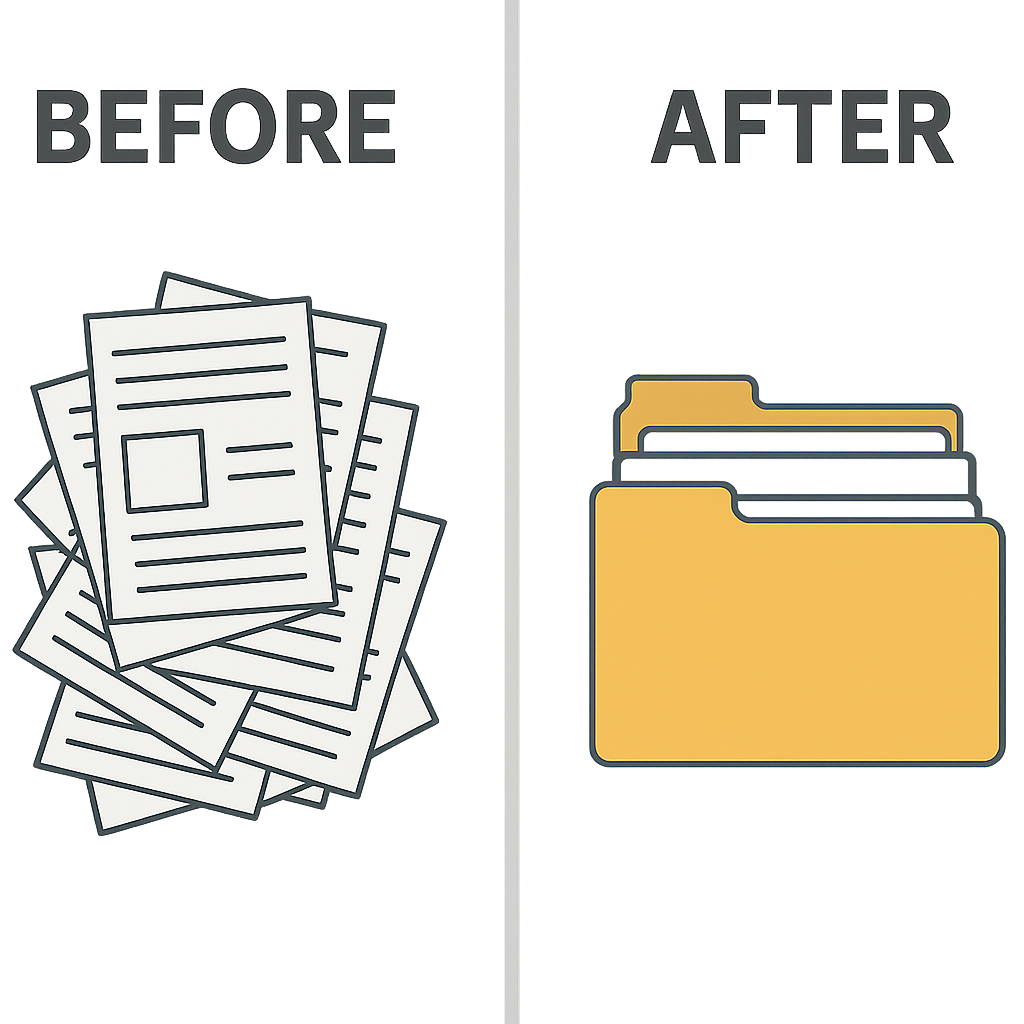
Although your theory of security best practice could be sound, Auditors work under a rigid premise: If it does not exist in written form, then it never happened. The most common reason organizations fail a SOC 2 audit is a lack of historical documentation, rather than a lack of security. For example, although you could reasonably terminate an employee’s access rights upon termination date, if the system records do not contain evidence of that activity (e.g., timestamps) when auditors review them six months after termination, you essentially have no proof of that activity.
By implementing automated tools to collect and document these ‘Digital Receipts’, you transform the chaotic, disorganized process of searching for screenshots into a well-organized, efficient verification process that will please your auditor.
The final report card is key as it uses terms and jargon that are often counterintuitive to business professionals. Within the auditing industry, you want an “unqualified opinion”, which ironically means the auditor has no reservations and certifies that your organization passed with no issues.
Conversely, a “qualified opinion” would indicate that while you may have been largely compliant with the audit requirements, the auditor discovered several significant exceptions or failures within your control procedures. Submitting a qualified report to a large enterprise client can kill the sale as quickly as submitting no report at all, as it implies that there are security weaknesses in your company that were not adequately mitigated.
Ultimately, preparing for a SOC 2 audit involves changing your mindset from reactive problem-solving to proactive planning. After you identify the areas where your processes fall short and establish a method for collecting evidence, the massive amounts of compliance requirements will break down into manageable week-by-week tasks. Once you have a clear understanding of what the auditor needs to issue the coveted unqualified opinion, you can create a timeline that balances timeliness and sustainability.
SOC 2 Readiness Gap Analysis Checklist
| Area | Check | Status |
|---|---|---|
| Access Control | MFA enabled | Yes/No |
| Data Encryption | Ai rest & in transit | Yes/No |
| Logging & Monitoring | Real-time alerts | Yes/No |
| Vendor Management | Risk assessment done | Yes/No |
| Incident Response | Plan documented | Yes/No |
Source:
SOC 2 compliance checklist for 2026: Discover the updated SOC 2 compliance checklist for 2026 to stay aligned with evolving cybersecurity standards

The use of a SOC 2 compliance checklist for 2026 allows organizations to meet the increasing customer demands for timely releases, more frequent security audits and reviews, and higher assurance through the continuous operation of controls. By treating compliance as a continuum (i.e., a series of repeated events) rather than as a single event, the SOC 2 compliance checklist for 2026 will help ensure that there are defined owners for each control and that there is consistent, repeatable evidence to support each owner’s claim.
Using the SOC 2 Compliance Checklist alongside an organization’s internal security program makes it easier to demonstrate consistency across teams, tools, and environments during an audit.
To remain compliant using a SOC 2 compliance checklist for 2026, the primary goal should be “Audit Proof Operations,” which are controls that have been defined as measurable, logged, and reviewed at regular intervals. A properly developed SOC 2 Compliance Checklist enables an organization to map each control to what an auditor will test (e.g., Access Governance, Change Control, Monitoring, Incident Response, Vendor Oversight, Business Continuity), without scrambling to respond during the audit cycle.
Some key changes to consider for a SOC 2 compliance checklist in 2026 include modern risk areas (e.g., Cloud Misconfiguration; Privileged Access; Supply Chain Risk; Evidence Quality). Additionally, a SOC 2 compliance checklist for 2026 should emphasize “Proof Over Promises” such as Ticket Trails, Alert Investigations, and Follow-up documentation. A practical SOC 2 Compliance Checklist can make this a repeatable process by clearly defining which evidence is acceptable and how often it must be collected.
The following are some key items to include in a SOC 2 compliance checklist to ensure that your organization has baked them into your checklist by 2026:
- Identity and Access: Implement Multi-Factor Authentication (MFA) where possible, Least Privilege Access, complete Quarterly Access Reviews, have Strong Off-Boarding Evidence, and tie this into your SOC 2 Compliance Checklist.
- Secure Change Management: Define Emergency Change Path in the SOC 2 compliance checklist for 2026, Track Production Deployments, Define Approvals, Have Testing Evidence, and Keep Logs of Changes.
- Monitoring and Response: Centralized Logging, Alert Tuning, Documented Investigations, Incident Post-Mortem Analysis; Monitor Cadence on Your SOC 2 Compliance Checklist.
- Vulnerability Management: Scan Frequency, Patch Service Level Agreements (SLAs), Exception Handling, and Remediation Verification as Core Items in the SOC 2 compliance checklist for 2026.Vendor Controls: Vendor Risk-Tiering, Vendor Contract Requirements, Periodic Vendor Reviews, and Document Evidence Links as Current in Your SOC 2 Compliance Checklist.
- Backups and Recovery: Test Restores, Capture Results, and Lessons from Disaster Recovery Exercises in the SOC 2 compliance checklist for 2026.
Operationalizing the SOC 2 Compliance Checklist for 2026 is calendar-driven: Monthly Access Reviews, Quarterly Vendor Reviews, and annually perform Incident and Recovery Exercises. An ideal SOC 2 Compliance Checklist should also include an “Exceptions” Workflow to ensure Control Failures are Documented, Remedied, and Retested rather than being Hidden.
Lastly, treat the SOC 2 Compliance Checklist for 2026 as a Living System: Update it whenever you introduce New Products, Modify Infrastructure, or adopt new tools. When the SOC 2 Compliance Checklist for 2026 is used alongside a Consistently Maintained SOC 2 Compliance Checklist, Organizations Develop Audit Readiness into their daily Work Practices and stay in Sync with Evolving Cyber Security Standards.
Example
A cloud-native AI startup creates a new SOC 2 compliance checklist in 2026 as customers begin asking about supply chain risk and stronger access controls. This 2026 SOC 2 compliance checklist requires mandatory multi-factor authentication (MFA) for all admin tools, stricter reviews of privileged access, and much clearer vendor tiers for critical subprocessors.
Additionally, it strengthens the quality of evidence; each alert investigation must include at least one ticket, a timeline, and resolution notes. It requires quarterly tabletop incident exercises and documented restore test with measured recovery time objective (RTO)/recovery point objective (rpo).
Your 90-Day SOC 2 Action Plan: From Security Chaos to Certified
Moving beyond the initial confusion you had as a result of securing a SOC 2 report, you now understand that securing a SOC 2 report is not simply memorizing the technical manual on how to do so. Rather, you are providing your customer with evidence that their data is safe within your “digital” house. The Complete & Secure SOC 2 Compliance Checklist for Data Security is no longer an abstract obstacle to closing deals but a tangible roadmap that guides you through the compliance process with confidence.
By turning your newfound understanding into momentum, you can break the checklist implementation process into a series of manageable 90-day sprints. To implement the checklist, follow these three steps:
- Weeks 1-4 (Scoping & Gap Analysis): Identify which data requires protection and determine which areas of your current practices fall short of the criteria set by the Trust Services.
- Weeks 5-8 (Remediation & Policies): Implement remediation to close the gap you identified—create the missing policy, encrypt all company laptops, and configure your firewalls to meet the required standards.
- Weeks 9-12 (Evidence Collection & Dry Run): Collect evidence that your newly implemented controls are effective and perform a dry run of the audit to identify and correct any last-minute items prior to the arrival of the external auditor.
For a schedule to be effective, there must be someone at the helm who will drive it. It doesn’t matter how many people are on your team; you need to clearly designate one person as the Security Owner. The Security Owner role can be assigned to anyone (e.g., technical co-founder, operations manager), but whoever is assigned this responsibility will be accountable for ensuring the project continues to progress. This helps ensure important tasks do not fall by the wayside throughout the busy workweek.
It is also very important to understand that security does not end when the auditor signs off. A static checklist is a snapshot of your organization at a specific point in time, but it changes daily. With today’s modern companies relying heavily on Continuous Compliance Monitoring Tools for SaaS, organizations can automate vigilance and receive alerts if an employee forgets a security setting or if a new vendor introduces a risk. This ensures your organization remains compliant with auditors year-round and eliminates the need for last-minute scrambling.
Overall, the process outlined above will transform security from a back-end IT expense to a front-line competitive advantage. When you give that final report to a potential client, you are selling them certainty, not just software. By completing this SOC 2 Compliance Checklist, you will lay the foundation for your organization to grow with confidence, knowing that a strong base of trust is in place to support your most ambitious goals.
My Key Findings
SOC 2 compliance functions as a business trust accelerator, often determining whether enterprise deals move forward or stall in procurement. The AICPA Trust Services Criteria act as the “rules of the exam”: Security is mandatory, while Availability, Processing Integrity, Confidentiality, and Privacy should be added only when they match your product and data—scoping is the biggest lever for controlling audit cost and complexity.
Type I and Type II reports serve different goals: Type I validates control design at a point in time to quickly unblock sales, while Type II proves controls operate effectively over months and is the enterprise gold standard; bridge letters help cover timing gaps between reports. Auditors prioritize practical, provable controls—especially logical access controls (MFA, least privilege, RBAC, quarterly reviews, and tight offboarding) —supported by security awareness training.
Readiness also depends on risk assessment and a documented incident response lifecycle (identify, contain, eradicate, recover, learn), as well as tested backups and disaster recovery. Third-party vendor risk is a frequent weak link; organizations must review vendor security (often via vendor SOC 2 reports) and document shared responsibility boundaries. The most common audit failures are not technical weaknesses but missing documentation and historical evidence.
Finally, successful teams plan realistically for total costs—auditors, tooling, and internal time—and execute a focused 90-day plan: scope/gap analysis, remediation/policies, and evidence collection with a dry run.
Conclusion
SOC 2 compliance is more than just passing an audit; it is an ongoing process for establishing trust in your organization. When selecting appropriate criteria from the Trust Service Criteria, determining which level of reporting best aligns with your needs (e.g., Type I for deal flow purposes or Type II for demonstrating the long-term effectiveness of controls), and creating a structured checklist for execution, SOC 2 becomes a tangible, achievable goal versus a confusing requirement.
Most successful SOC 2 programs are built on fundamental security principles, including clearly defined, logical access controls; clear policies and ownership; consistent change management processes; reliable logging and monitoring capabilities; tested incident response and recovery plans; and a disciplined approach to managing vendor risks. In addition to these foundational elements, successful SOC 2 programs recognize that documentation of controls (i.e., “evidence”) is integral to the design of each control. This is because if a control does not produce documented evidence (e.g., logs, test results, etc.), then it did not occur.
When approaching SOC 2 as a 90-day sprint to establish the foundation of a SOC 2 program, followed by a year-long habit of maintaining those foundations, organizations will benefit in many ways beyond simply passing the audit. Organizations can mitigate surprise security events, respond more rapidly to them, and streamline security reviews for their customers by providing a single, credible report.
Additionally, organizations can shorten their sales cycle when selling to enterprises by having a single, credible report. A well-developed, comprehensive SOC 2 compliance checklist is instrumental in establishing a scalable, sustainable security culture within an organization that supports both the growth of its product(s) and its team(s).
FAQs
1) What is SOC 2, and why do customers ask for it?
SOC 2 is an independent audit of your controls for protecting customer data, based on the AICPA’s Trust Services Criteria. Customers want to receive this to reduce their risk and minimize the length of the security questionnaires they must complete during the vendor review process.
2) Which Trust Services Criteria do we need for a SOC 2 report?
You will have to include security in all SOC 2 reports. The only way to add one or more of the other four criteria – Availability, Processing Integrity, Confidentiality, and/or Privacy – is if you believe that criteria best reflect your product, data, and customer expectations — this will greatly impact both cost and effort when completing a SOC 2 report.
3) What’s the difference between SOC 2 Type I and Type II?
A Type I report will assess the adequacy of your controls design at a single point in time; whereas a Type II report will verify that the controls were operating as intended over a period of time (usually 3-12 months), with most enterprise buyers preferring the Type II report.
4) How long does it take to become SOC 2 compliant?
Many teams will be able to complete the scoping, remediation, and readiness work for SOC 2 in approximately 60 to 90 days. The full timeline for completing a SOC 2 report will depend on the reporting period you select, as the SOC 2 report requires an observation window.
5) What controls are usually the highest priority to pass a SOC 2 audit?
The most frequently audited controls are access controls (least privilege, MFA, offboarding), change management, logging/monitoring, vulnerability management, incident response, and backup/recovery testing.
6) What are the most common reasons companies “fail” or get exceptions?
However, the biggest problem with auditing is that there usually isn’t enough evidence—auditing for compliance typically involves determining whether controls have been implemented, but not whether or how they’ve been documented. The most common issues with auditing are as follows: audits of access permissions are often irregular and/or incomplete; offboarding processes are often inadequate; changes are often not documented; and incident records are not always complete.
7) How do we handle third-party vendor risk for SOC 2?
Auditors should create an ongoing vendor risk process to help identify your organization’s most important vendors, review their security documentation (such as their SOC 2 report) in order to understand the security measures each has in place to protect you, document your shared responsibilities regarding their security, and re-audit your organization’s most critical vendors at least once per year.

Garikapati Bullivenkaiah is a seasoned entrepreneur with a rich multidisciplinary academic foundation—including LL.B., LL.M., M.A., and M.B.A. degrees—that uniquely blend legal insight, managerial acumen, and sociocultural understanding. Driven by vision and integrity, he leads his own enterprise with a strategic mindset informed by rigorous legal training and advanced business education. His strong analytical skills, honed through legal and management disciplines, empower him to navigate complex challenges, mitigate risks, and foster growth in diverse sectors. Committed to delivering value, Garikapati’s entrepreneurial journey is characterized by innovative approaches, ethical leadership, and the ability to convert cross-domain knowledge into practical, client-focused solutions.