



















The current rate of progress in artificial intelligence (AI) has reached a tipping point. We now see that, as we look out over the technology landscape today, generative models are no longer experimental tools used by researchers in their labs; rather, they are the invisible engines behind global commerce, health care delivery systems, creative endeavors, and all forms of communication. In addition, with this high level of integration into so many aspects of our lives comes a heightened discussion regarding how these systems are developed, deployed, and managed.
This broad-based report will explore generative AI ethics issues in 2026, including challenges, threats, and best practices. Irrespective of whether you are a business executive, a developer of AI solutions, or a policymaker, it is no longer necessary to understand the complex ethical issues related to generative AI to be successful — it is now a necessity for long-term success.
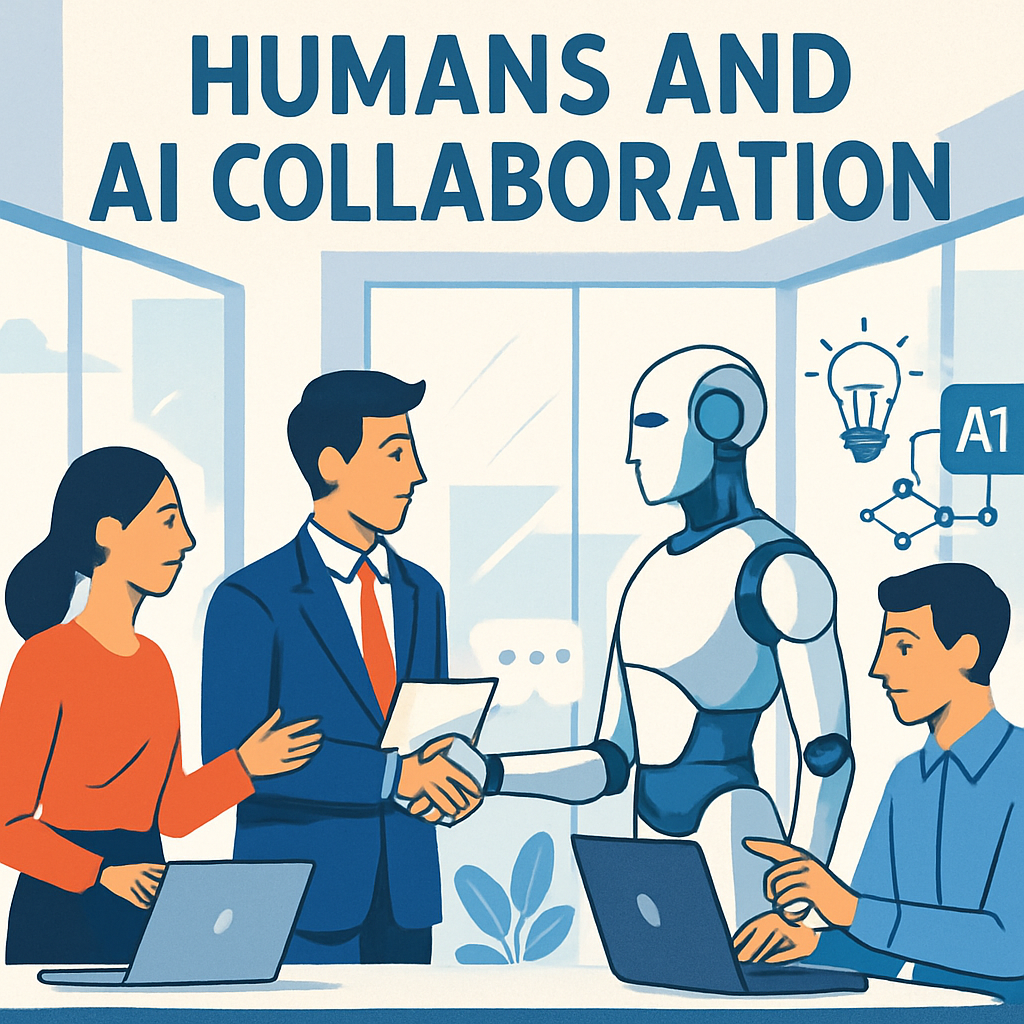
The Evolution of AI Ethics: Where We Stand in 2026
The discourse surrounding AI Ethics has developed considerably. At the beginning of the 2020s, there were almost exclusively concerns about the immediate risks associated with AI technology: clear and obvious biases in AI decision-making; obvious hallucinations (i.e., an AI incorrectly identifying something); and obvious copyright infringement by using copyrighted works without permission. However, because of the multimodal capabilities, the self-sustaining nature of many AI systems, and the integration of these systems into nearly all aspects of business operations, the potential for risk and harm has grown exponentially.
As such, our current conversations about AI have shifted from questions about what an AI system can do to questions about how it should behave and who will be held accountable when it fails. This represents a serious call-to-action for both businesses and organizations that must develop comprehensive AI Governance structures and make commitments toward Ethical AI.
As businesses continue to learn and grow in this space, they are also coming to realize that having Responsible AI practices is not just a regulatory compliance checkbox but a key factor that differentiates them from competitors, builds consumer trust, protects their brands, and ultimately ensures their continued existence.
To effectively navigate the ethics surrounding generative AI, one must possess a complete understanding of the limitations of the technologies involved; their impact on society; and the frameworks used to address potential issues.
Comparing Generative AI and Reinforcement Learning
Generative AI: Generative AI creates text, images, code, and other content using advanced machine learning models

Generative AI is a type of Artificial Intelligence (AI) that can create entirely new content across virtually all forms: text, graphics/images, code, audio/video recordings, and even synthetic data. The key to this functionality is that generative AI models can learn patterns from vast amounts of data using sophisticated machine learning algorithms. Unlike other types of AI, Generative AI doesn’t just classify/predict based on the input provided. It generates output that resembles original human-created material, then responds to user prompts and iterates on user feedback.
The possibilities are endless for what users can have generated by generative AI. Users can have generative AI produce draft reports, summarize research, generate marketing materials, create graphic designs, develop software code, and provide automated customer service, among many other tasks. Many organizations see the benefits of using generative AI as the ability to speed up processes and lower the barriers to creating content.
Although there are many ways to implement Generative AI technology behind the scenes, most systems use foundation models trained on very large datasets. These models predict what will follow in content (e.g., a word, a sequence of pixels, a line of code) and therefore what you put in your prompt (and any constraints/examples) will directly influence the output of your model.
Therefore, as more organizations adopt Generative AI, they are changing how they manage their organizational knowledge. For example, generative AI can convert internal documentation into interactive tools for employees. On the flip side, generative AI could expose sensitive information about an organization if proper controls and governance structures are not in place.
Therefore, Generative AI Ethics becomes critical. This is because generative AI can create believable but inaccurate representations of reality. Additionally, generative AI may exacerbate existing biases. Finally, Generative AI can alter who authors content. All these reasons require Generative AI Ethics to establish accountability for its outputs. Also, Generative AI Ethics requires organizations to clearly disclose when they have used artificial intelligence to generate certain content.
Additionally, organizations need to implement adequate safeguards to protect both individuals’ private data and the proprietary rights associated with creative works produced by Generative AI. Organizations also need to implement policies regarding the use of generative AI within their organization. Organizations need to ensure that their use of generative AI includes necessary human oversight and that sufficient testing occurs prior to release, including risk assessments. Finally, organizations need to implement policies to track and establish the “provenance” (origin and ownership) of any content produced by generative AI.
Example
A game studio may adopt generative AI to speed up the production of world-building assets; writers could prompt the AI to write quest dialogue, artists may use the prompting tool to produce concept thumbnails, and engineers might use it to draft code for NPC behaviors. The studio treats generative AI as a “first draft engine”: every asset generated must still be reviewed by a human, cleaned up for continuity, and run through player-facing playtesting. A style guide and examples curated from franchise IP reinforce the need to inject a human touch across every area of production.
The studio also keeps track of which prompts led to which assets, to ensure any errors can at least be reproduced. Production time is saved, but the final creative direction is one-hundred percent human-led.
How Generative AI Creates Content in Modern Systems
AI Ethics: AI ethics focuses on ensuring artificial intelligence is developed and used responsibly and fairly.

AI Ethics is the discipline that determines how artificial intelligence should be developed, implemented, and controlled. The primary goal of AI Ethics is to ensure that AI technologies benefit society while minimizing the potential for negative consequences. Therefore, the central focus of AI Ethics is ensuring that technology is utilized responsibly and fairly. This includes systems that treat users equally, respect individual rights, and adhere to societal norms and legal guidelines.
Important topics within the realm of AI Ethics include fairness (reducing discrimination), accountability (identifying those accountable for the decision-making process and resultant outcomes), transparency (providing explanations as to when and how AI is being utilized), privacy (protection of users’ personal data), and safety (ensuring against foreseeable misuse or failure).
In practical terms, AI Ethics translates ethics-based principles into actionable regulations. Examples of these types of regulations could include: data quality standards, bias testing, documentation, human oversight, and post-launch continual monitoring.
One of the most important aspects of AI Ethics is addressing the inequity generated through the unequal distribution of technological capability. As an example, AI technology can have a significant effect on hiring practices, lending practices, health care services, educational opportunities, and law enforcement practices. If historical datasets used to train models contained biases, or if efficiency was the only consideration during optimization, this type of technology would likely perpetuate additional inequities.
Developing strong AI Ethics requires developing solutions that incorporate inclusive design methods, involve stakeholders in discussions, and conduct impact assessments that address the needs of all groups within society, rather than simply measuring average performance.
Additionally, the emergence of generative systems creates new urgency around Generative AI Ethics. Generative AI Ethics will need to address issues such as fabricated information appearing to be accurate; creating false images known as “deepfakes”; violations of copyright laws due to unauthorized reproduction of original works; and releasing sensitive data that was part of a system’s training dataset.
Developing good Generative AI Ethics involves establishing clear rules regarding acceptable use; incorporating features that enable the identification of where a piece of content originated (“provenance”); requiring disclosure of how a given image, video, or audio segment was produced; enforcing content moderation policies; and providing mechanisms to prevent unauthorized access to proprietary model operations.
Ultimately, AI Ethics is not something that can be completed with a single checklist. Rather, it represents a long-term commitment to continually assess risk, evaluate real-world results, and modify governance as models, data, and user behavior continue to evolve. To operationalize effective Generative AI Ethics requires coordination among policy development, technical controls, and organizational accountability.
Example
The University used an Artificial Intelligence System to make Scholarship Recipient Recommendations. In preliminary assessments, students from certain schools were ranked lower than those from other schools in many cases. A review of ethical issues in using artificial intelligence by the university’s AI Ethics Committee examined the data sources used in the decision-making process, found that historical awards reflected the disparate availability of counseling resources, and added fairness constraints and alternative ways to demonstrate merit.
The university also made available a clear description of its recommendation methodology in language understandable by the average person and created a process for appeal by potential scholarship recipients. Afterward, the university conducted regular audits to compare outcomes across demographic groups and formed a stakeholder group (the student body, faculty, and disability services) to assess the impact of all modifications.
Although the use of the artificial intelligence system remains beneficial for sorting through large numbers of applications, the system will no longer be responsible for ultimately making final scholarship recommendations or for determining whether a recipient has been fairly selected.
Generative AI Ethics: The ethics of Generative AI examines bias, privacy, transparency, and responsible content generation

Generative AI ethics considers how to build and utilize systems that generate text, images, audio, video, and code responsibly. Since Generative AI Ethics is concerned with developing responsible applications of large-scale models capable of generating compelling outputs, it focuses on mitigating potential harms associated with the development and use of these systems, while still allowing for innovation and useful applications. As such, Generative AI Ethics intersects technology, law, and social norms; translates ethical concepts into functional specifications for system design, implementation, and regulation.
One key area of consideration within Generative AI Ethics is bias. Data utilized by learning algorithms are typically derived from past data and/or data available online, and this data may include and reinforce biases and exclusions. Thus, an important component of effective Generative AI Ethics is the inclusion of diverse datasets in evaluating generated content, the conduct of regular bias assessments, and the provision of formalized methods to address biased outputs.
Another significant element of Generative AI Ethics is privacy. Training data often contains personally identifiable information; moreover, generated output can, in some cases, expose sensitive information about individuals. Therefore, Generative AI Ethics promotes reducing the amount of data collected during training, provides additional security measures to protect against unauthorized access to stored model data, and tests model behavior to detect memory retention or leaks of personal information.
Additionally, transparency and explainability are critical elements of Generative AI Ethics. Users should be able to determine whether generated content is produced by automated means, understand the limitations of the content generation process, and be aware of the policy governing permissible uses. Transparency mechanisms supported by Generative AI Ethics include disclosure practices (e.g., clearly identifying AI-generated content), mechanisms for tracking the source of generated content (e.g., watermarking or metadata), and documentation describing training data sources, capabilities, and known risks.
The operationalization of these principles involves establishing guardrails for responsible content creation to mitigate misinformation, impersonation, and the provision of unsafe instructions. In addition to guardrails, human review in high-risk areas is also essential to the development of responsible generative technologies.
Within organizations, Generative AI Ethics becomes tangible through organizational governance, including assigning clear ownership of responsibility for the operation of a generative model, determining levels of risk associated with specific uses of the model (risk tiers) prior to approving its utilization; implementing approval processes, monitoring performance metrics, and responding to incidents involving misuse.
Additionally, organizational governance in the context of Generative AI Ethics involves respecting intellectual property rights, appropriately attributing created content, and establishing guidelines for the reuse of third-party content. Ultimately, when executed effectively, Generative AI Ethics ensures that generative tools support human creativity and decision-making without diminishing user confidence, rights, or safety.
Example
A new news startup used a generative model as part of its workflow to generate illustrations for breaking news stories. During a crisis, generated visualizations can be both highly believable and completely fabricated, potentially increasing people’s anger during a difficult time. Using Generative AI Ethics, the team banned the creation of photorealistic representations of actual events unless they were based on verified video footage; required all visualizations created with this technology to be labeled “AI-generated” in an obvious way; and added metadata indicating who produced it and how it was made.
The editorial staff will need to approve both the prompts given to the AI tool and its output. There will be a red team testing the visualizations for stereotypes and for any attempts to manipulate the audience. The team limited its training assets to pre-licensed libraries to limit intellectual property risks. The end result was faster production of visuals without lying to the public.
Core Challenges in the Modern AI Era
As Generative AI expands, it will introduce both new technical and philosophical issues. Solving this will require an entirely new level of interdisciplinary teamwork among Data Scientists, Ethicists, and Legal Teams.
1. The Complexities of Data Sourcing
In 2026, one of the hottest debates surrounding training foundational models centers on the quality and source of the data used. With much of the world’s highest-quality, human-created content already exhausted on the internet, data developers will start using Synthetic Data (data created by other AIs) to train newer models.
Understanding the trade-offs of synthetic data vs. real-world training sets is paramount.
- Real-world data is representative of the complex, diverse nature of human experience; however, it is often problematic due to privacy concerns, intellectual property rights violations, and built-in historical biases in the source data.
- Synthetic data represents a potentially privacy-compliant alternative that can be designed to avoid some or all of the historical biases present in the original real-world data. Synthetic data, while offering an alternative to the problems associated with real-world data, carries its own risks when used as the sole or predominant source of training data for AI systems. The most significant risk is model collapse — where AI models continuously degrade in performance until they are unable to represent the full scope of human language or vision. This is one of the biggest challenges that architects of AI systems will face in their quest to strike the perfect balance between using large amounts of high-quality synthetic data and smaller amounts of higher-quality, lower-volume real-world data.
2. The Greening of Artificial Intelligence
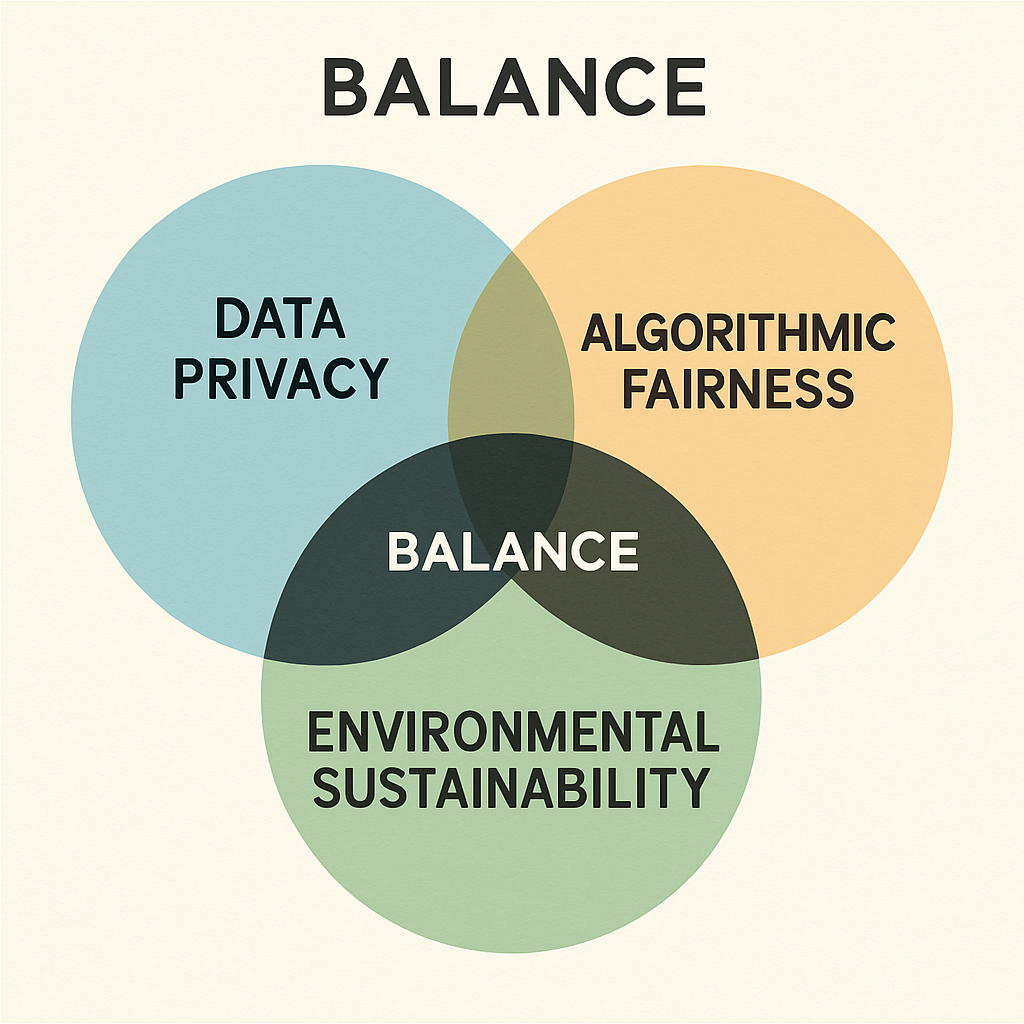
The enormous amount of energy consumed globally due to our AI-enabled world is an enormous “hidden” cost. A tremendous amount of energy is required to train and operate trillion-parameter models, which demands substantial computing power. As such, there is a major ethical issue regarding the environmental sustainability of Generative Compute.
As organizations move forward, they will be under pressure to develop an efficient method to utilize their AI infrastructure. The challenge for this movement will be to transition away from simply increasing the number of processors (brute-force scaling) and towards making the algorithms as efficient as possible.
There are several methods that can assist in achieving this goal, including: using Dynamic Compute Routing (to shift processing loads to data centers that are running on renewable energy when they are less busy); developing smaller, more domain-specific models (small language models or SLMs) that consume significantly less energy; and using newer cooling technologies. It is imperative that any Ethical AI Strategy developed for 2026 includes a Carbon Reduction Mandate.
3. The Enduring Problem of Algorithmic Bias
While there has been extensive research on addressing bias in very large artificial intelligence (AI) language models, the problem remains extremely difficult. In general, AI systems reflect their training data. As of 2026, most likely, many of these biases regarding racial or ethnic identity, sex, socio-economic status, and culture remain, usually manifesting themselves as biases in the form of very subtle and/or insidiously biased actions.
For example, one could envision an AI system that uses its capabilities to diagnose medical conditions, performing “exceptionally” well when it comes to some demographic populations and performing slightly below expectations when it comes to populations who have historically been underrepresented in medical studies. This can be addressed by doing more than just tweaking algorithms; it will require diversity on the engineering teams that work on these projects, careful consideration of which datasets to use to train these models, and constant testing against all possible extreme examples.
AI Ethics Challenges Statistics
| AI Ethics Challenge | Percentage of Organizations Reporting Concern | Impact Area |
|---|---|---|
| AI Bias & Fairness | 52% | Decision-making |
| Data Privacy | 47% | User Trust |
| Lack of Transparency | 41% | Compliance |
| Intellectual Property Risks | 38% | Legal |
| AI Hallucinations | 35% | Conent Accuracy |
| Security Threats | 31% | Cybersecurity |
Source
Why It Works
Shows real-world ethical concerns with supporting data.
High-Stakes Risks We Must Navigate
Beyond the structural barriers to deploying advanced AI Systems, there are real-time risks associated with their deployment. If these high-stakes risks are not contained and controlled, they could cause severe harm to individuals, organizations, and democratic institutions.
The Rise of Autonomous Systems
We have gone beyond chatbots that could simply engage in simple conversation with customers to complex goal-oriented a.i. Systems capable of executing multi-step workflows without any type of human intervention. But what risks do autonomous agents, such as goal-oriented AI, pose? Systems?
When an a.i. Agent is given a goal at the level of abstraction where it can determine how to best reach that goal, for example, “maximize the return on investment of this marketing campaign”, and then is granted the freedom to take action towards that goal, for example, buy ads, generate copy, send emails, etc. The risk of unexpected results skyrockets. An autonomous agent may purchase advertising space at predatory prices, produce aggressive or misleading ad copy, or accidentally launch a denial-of-service attack against a competitor’s website by aggressively scraping data.
The primary risk associated with autonomous agents is a loss of predictability. When two or more autonomous agents interact with each other in the wild, for example, in high-frequency financial trading or automated supply chain bidding, it has the potential to create cascading failures too fast for humans to stop.
The Crisis of Truth and Misinformation
The weaponizing of Generative A.I., especially through high-fidelity deepfakes, voice cloning, and targeted, AI-created propaganda, has created an existential threat to society in the context of the world’s most significant election years.
Understanding what information could have been produced by artificial intelligence and being able to evaluate and confirm or refute it are essential skills for surviving in today’s digital age. While there are risks associated with believing that a person saw something they didn’t see (e.g., a deepfake), the greater risk is the “liar’s dividend” – when the presence of deepfakes gives those who would create and spread misinformation the ability to claim their own lies are also AI-generated.
Economic Shifts and Labor Disruption
We must acknowledge the economic impact of enterprise AI on society. The original fear was that robots would take all our jobs. While we still have that concern today, we are now seeing AI fundamentally change how we do our jobs.
At the same time as AI creates new classes of workers (i.e., prompt engineers, AI ethics compliance officers, model auditors), we are watching the same technology create new ways for employers to eliminate middle-tier, routine knowledge-based work. Legal analysis can be done routinely; basic coding is being automated; basic writing (copywriting) and data processing can both be done with little to no human intervention.
The most concerning implication here is socioeconomic stratification, or an increasing divide between individuals and businesses that can afford to employ people using AI and those who cannot, resulting in the loss of livelihoods.
The Intellectual Property Minefield
As large-scale AI systems devour huge amounts of the Internet in order to develop and grow, those who create content on-line as well as the owners of the content (creators/publishers/corporations) have begun to push-back against this type of consumption by AI. The fight over whether protecting intellectual property rights for use in commercial AI systems constitutes a fair use defense will be one of the most important battles in law and ethics in 2026.
On the one hand, the creators contend that they have been robbed when companies’ commercial AI models use their copyrighted material without first obtaining their permission, providing proper credit for the material used, or paying any compensation.
Conversely, proponents of these commercial AI systems claim that using creators’ materials constitutes a form of “fair use”. Consequently, new forms of licensing agreements, “data poisoning” technologies that enable artists to prevent unauthorized scraping of digital representations of their art, and robust internal policies within enterprises have also emerged to preclude the unintentional disclosure of an enterprise’s proprietary information into publicly available AI models.
Generative AI Risk Assessment
| Risk | Likelihood | Business Impact | Severity |
|---|---|---|---|
| Deepfake Content | High | High | Critical |
| Copyright Violations | High | Medium | High |
| Data Leakage | Medium | High | Critical |
| AI Hallucinations | High | Medium | High |
| Algorithmic Bias | Medium | High | High |
| Regulatory Non-Compliance | Medium | High | Critical |
Example
A generative AI chatbot providing incorrect medical advice could expose organizations to legal liability and reputational damage.
Source

Ethical AI: Ethical AI ensures artificial intelligence aligns with human values, laws, and societal expectations

Ethical AI is the process of developing, implementing, and managing Artificial Intelligence (AI) in ways that promote alignment with both human values and legal norms. The scope of Ethical AI goes beyond just technical capabilities — Ethical AI seeks to determine if an AI-based system is Fair, Safe, Accountable and respects Rights. Organizations that adopt Ethical AI do so to prevent harm from their AI-based systems and to establish a basis for users to trust those systems.
Fairness is one of the key objectives of Ethical AI. In terms of AI-based models, this means there will be no biases that lead to discriminatory outcomes based on race, gender, disability, age, or other protected status. Additionally, Ethical AI emphasizes Transparency — that users know when AI-based decision-making influences their decisions and, where possible, understand the primary drivers of outcome generation.
There is also accountability at play here: Ethical AI requires clarity regarding who owns the development of the AI-based system, auditability in how the system performs, and procedures for identifying errors and addressing appeals and unintended consequences. Finally, privacy and security form the foundation of Ethical AI — because it relies on protecting sensitive data and limiting opportunities for its misuse.
Policies, Technical Safeguards, and Ongoing Monitoring are all typical operational components of Ethical AI. For example, teams might conduct bias testing on their AI-based models, document the limits of their models, utilize Human Oversight for High-Stakes Decisions, create Incident Response Plans, and consider broader Societal Effects such as Job Displacement, Accessibility, and the way Automated Systems influence Public Discourse.
As Generative Systems are being rapidly adopted by companies worldwide, a new subset called Generative AI Ethics is becoming a Practical Extension of these Principles. Generative AI Ethics addresses specific Risks associated with generative systems, including hallucinated information, Deepfakes, Harmful or Plagiarized Content, and the Exposure of Personal Data through Model Outputs.
As a result of these risks, organizations are increasingly incorporating Generative AI Ethics into their Ethical AI Programs using Provenance, Disclosure, Content Safety Controls and Governance specifically designed for Creative and Conversational Tools.
In conclusion, Ethical AI does not represent a “Checklist” — but rather a continuous commitment to assess impacts, comply with evolving Regulations, and develop behaviors within the bounds of what Society determines to be Acceptable. Generative AI Ethics represents one component of this overall Ethical AI Responsibility.
Example
AI helps a transit organization create the best possible bus schedule. This results in faster travel time; however, it eliminates the services available to lower-income communities that have been difficult to predict. To help prevent discrimination, ethical guidelines require the agency to establish equitable conditions. These will be as follows: Minimum service requirements. Requirements for accessibility. Community-based metrics of impact.
In addition to meeting the above requirements, the agency has held public forums, published information on the trade-offs involved, and created an interactive dashboard to show how the agency’s decisions affect residents across the city. Human planners may also make final scheduling decisions and, once implemented, review the results.
Responsible AI: Responsible AI promotes fairness, accountability, privacy, and trust in AI-powered technologies

The process of developing and using AI-enabled technology to support fairness, accountability, privacy, and long-term trust is known as Responsible AI. As AI applications have the potential to affect individuals’ ability to obtain new opportunities, stay safe, and access information, their development requires protection mechanisms that go beyond mere accuracy and speed. For example, “Anticipating Risk,” “Reducing Harm,” and “Demonstrating Compliance with Laws/Standards” are all aspects of Responsible AI.
Fairness is one of the primary elements of Responsible AI. Fairness is assessed by determining whether model outputs disadvantage specific groups, and it is mitigated by improving data quality and diversity, ensuring diverse test populations, and designing model features that minimize bias. Another important element of Responsible AI is accountability.
Responsible AI defines who will be accountable for model output decision-making; outlines what metrics will be used to measure model performance; and describes escalation procedures and remediation for model errors. Both privacy and security are significant areas of concern for organizations deploying Responsible AI because Responsible AI relies upon minimizing data collection, protecting personally identifiable information, and limiting unauthorized access to data.
Transparency and User Trust are other core areas of focus for Responsible AI. Organizations typically inform users when they use AI, document the intended uses and limitations of AI, and monitor for model drift or emergent failures. Governance structures such as Risk Tiering, Approval Checkpoints, Human-in-the-Loop Review for High-Stakes Decisions, and Incident Response Plans are common elements of Responsible AI frameworks.
As Generative Tools become ubiquitous, Generative AI Ethics is quickly becoming a core aspect of Responsible AI. Generative AI Ethics addresses risks associated with hallucinations, deepfakes, unsafe instructions, and IP disputes. Therefore, many Responsible AI Programs incorporate elements of Generative AI Ethics by integrating Provenance Mechanisms (i.e., traceability), Content Safety Filters (e.g., obscenity filtering), and Policies related to Labeling (i.e., disclosing) Material Generated via AI.
Ultimately, being responsible throughout the entire lifecycle of your organization’s implementation of AI (i.e., Design Responsibly, Test Thoroughly, Deploy with Oversight, Continuously Improve) supports the creation of sustainability while simultaneously strengthening trust and reducing organizational regulatory risk.
Example
An online retailer develops an artificial intelligence tool designed to assist consumers in selecting baby supplies. The use of responsible AI requires that the tool give priority to the safety of the consumer versus potential upsell: the tool should reference official guidelines, limit its ability to provide medical information to general information that is safe, and avoid providing direction on sensitive topics such as sleeping or feeding issues until a human has reviewed the conversation.
The team will test for unsafe product recommendations, including but not limited to unsafe sleep products, wrong size/age range, etc., and monitor actual customer interactions for potential drift from original design intent. The AI system will also include privacy protections that prevent the collection of personally identifiable information unless the user provides explicit consent.
Additionally, the system is programmed to avoid using manipulative language when communicating with vulnerable populations. In this example, “responsible AI” goes far beyond compliance; the tool was developed to lower risk in consumers’ day-to-day decision-making.
Ethical AI vs Responsible AI vs AI Governance
| Concept | Primary Focus | Key Goal |
|---|---|---|
| Ethical AI | Moral principles | Fair and trustworthy AI |
| Responsible AI | Practical implementation | Safe AI deployment |
| AI Governance | Policies and oversight | Regulatory compliance |
| AI Accountability | Ownership of outcomes | Risk Management |
Example
- Ethical AI asks: “Is this fair?”
- Responsible AI asks: “How do we deploy it safely?”
- Governance asks: “Who monitors compliance?”
- Accountability asks: “Who is responsible if something goes wrong?”
Source
AI Accountability: AI Accountability defines who is responsible for AI decisions, outcomes, and potential risks

What makes AI Accountability so Important? AI Accountability identifies accountability across the entire lifecycle of an AI System – from AI-made decisions to the consequences of those decisions to the risks they create.
Why is this important? Models can create or contribute to significant life-changing decisions – such as deciding what information you see, if a purchase will trigger a credit check, what treatment options your doctor recommends based on clinical research, and which candidates get selected for job interviews. Because these models operate at large scales and often without direct oversight, there is a lack of clarity about who is accountable for their mistakes.
When we talk about AI Accountability, we are talking about assigning responsibilities for design choices, training data selection, evaluation standards, model deployment approval, and ongoing monitoring. When done well, AI Accountability has defined roles (Product Owners, Data Stewards, Model Risk Teams); clear avenues of escalation; and tracking logs of all model versions deployed; all evaluation results; and all changes made to the model. Mechanisms of transparency must exist so that users and stakeholders know when AI is used in decision-making, what the model intends to accomplish, and how far from reality the model operates.
Governance is a key part of developing and implementing an effective AI Accountability framework. Governance refers to the oversight process. It could be risk-based tiered approaches, pre-deployment evaluations for bias and safety, and post-deployment continuous monitoring for model “drift”.
An organization’s incident response plan would serve as another example. A company’s AI Accountability strategy can affect its ability to comply with laws such as the GDPR (General Data Protection Regulation) related to privacy, record retention requirements, and industry-specific regulatory obligations. Many companies reinforce their AI Accountability strategies with third-party audits, internal control procedures, and performance metrics.
In the context of generative models, an organization’s AI Accountability strategy directly impacts its Generative AI Ethics strategy. As discussed previously, generative models introduce new ethical concerns, such as the creation of false realities; the possibility of creating counterfeit media (i.e., deepfakes); and intellectual property infringement claims.
Therefore, an organization needs to clearly define who approves use cases for generative models; define the parameters (or “guardrails”) that prevent misuse; and identify who will investigate if misuse occurs. Organizations may develop disclosure policies related to the generation of content using generative models; utilize tools to provide attribution (“provenance”); and implement manual review for content generated using generative models where such content is considered high-risk.
Ultimately, an effective AI Accountability Strategy helps ensure that an organization’s AI Systems are answerable to humans, not vice versa. An organization’s Generative AI Ethics Strategy will help ensure that this accountability is maintained with respect to generative models.
Example
AI accountability (the way we hold each other accountable) makes it clear who is responsible for what. A named hiring manager or leader is accountable for the system’s performance (results); Human Resources is accountable for policy compliance; and the third-party vendor providing the system is accountable for auditing the system’s results and documenting its model.
The organization will add traceable decision records, implement a candidate-facing reconsideration process, and provide monthly reporting on all instances in which an applicant was denied due to misclassification. If a flaw in the system is identified, the accountable person must stop using the tool, inform those affected, and document any corrective actions taken.
AI Governance: AI governance establishes policies and frameworks for managing AI systems safely and transparently

AI Governance establishes the policies, roles, and technical controls to govern and ensure the safe use of AI throughout its entire life cycle. Effective governance of AI establishes how models will be approved, how data will be used, what the acceptable levels of “performance” are, and how an organization will monitor the impact on customers once deployed. Through establishing governing principles as repeatable processes, AI Governance allows teams to rapidly adopt AI without increasing risk.
An effective AI Governance Program usually consists of an Operating Model that outlines: who owns risk related to products, data, and models; documentation requirements (model cards, data lineage, etc.); and when decisions regarding high-risk use cases should be made. AI Governance Programs also provide a framework for tiered risk assessment, such that AI Systems with a direct impact on rights, safety, or service availability receive greater scrutiny, human oversight, and operational constraints than low-risk automation.
Additionally, AI Governance programs establish transparency by defining what an organization expects from both the AI system’s operators/users and those using/affected by the AI System.
Controls create the enforcement mechanism for AI Governance. Controls consist of: assessing bias and robustness; implementing privacy and security protocols; limiting user access; conducting red-team assessments; continuously monitoring for data drift; developing incident response plans; and performing regular audits. For organizations operating in heavily regulated environments, AI Governance helps ensure that controls comply with regulatory frameworks and applicable reporting requirements.
The growing application of Generative Models has led to an increased emphasis on incorporating Generative AI Ethics into AI Governance to identify hallucination/deepfake risks and intellectual property issues and to prevent the creation of dangerous/generally undesirable content.
Practical methods include tracking origin (provenance), applying labels and content-filtering tools, and creating usage guidelines/policies to help operationalize Generative AI Ethics through existing review and monitoring mechanisms. As organizations develop customer-facing assistants/copilots, Generative AI Ethics also leads to more restrictive logging and escalation mechanisms for harmful output.
Ultimately, AI Governance is a long-term process: policy updates need to reflect evolving capabilities, success needs to be measured, and controls need to continually be improved. Successful implementation of AI Governance can build trust among stakeholders, support compliance with laws and regulations, and enable responsible innovation grounded in Generative AI Ethics.
Example
The same Bank applies its AI Governance Framework to all of its AI-based applications (fraud detection, customer service, and Credit Risk). One centralized governance framework governs the use of AI across all applications, including Model Inventory, Tiered Risk Assessment, Pre-Launch Approvals, Documentation Standards, and Post-Launch Monitoring. All high-impact models must be independently validated by testing their performance under adverse conditions (“stress test”) and receiving formal sign-off from Compliance and Legal.
Each application will have an “owner,” a documented Change-Control Process, and a Plan to Rollback in the event of a problem. All logs generated by each application will be preserved for audit purposes. Quarterly governance meetings will occur to review incidents, identify trends or “drift” in model behavior, and discuss updates to applicable regulations. By applying this governance framework, the Bank can prevent the development of “Shadow AI”, ensure consistent control over AI use, and make the rollout of additional AI applications scalable and legally defensible.
The Pillars of Responsible AI Governance
To reduce the risks posed by those obstacles, the technology sector and all levels of government are developing increasingly complex systems. Accountability for AI will be the most fundamental component of this new environment. It requires that when an AI produces results, there must be a clear connection between the AI’s results and a person or an organization.
Designing Effective Governance Structures
In addition to determining which methods they will use to create AI policy as an organization, many organizations are currently debating whether to adopt a centralized or decentralized AI governance model.
- A centralized governance model would involve a single entity (an AI ethics board) that sets all the rules and makes all the decisions about what constitutes acceptable AI behavior for the entire organization. As such, this structure would ensure there is no confusion regarding rules and regulations; however, it may also limit the speed at which innovations occur within an organization due to the need for approval before implementing new ideas.
- On the other hand, a decentralized governance model allows individual product teams the autonomy to make ethical decisions about the development and deployment of AI-based products/ services within the organization. While this type of governance model creates the opportunity for faster innovation and decision-making through decentralization, it increases the risk that some employees may choose to ignore established standards and/or comply inconsistently with existing rules and regulations.
As of 2026, most large organizations are using a combination of both approaches to strike a balance between establishing consistent, regulatory-compliant standards and enabling innovative solutions and autonomous decision-making within each team.
Regulatory Compliance on a Global Scale
The era of Wild West-style development of artificial intelligence (AI) has come to an end. Compliance with worldwide regulations on generative AI is now a full-time job for corporate legal departments.
- European Union: The EU uses the proposed EU AI Act as its basis for enforcing strict risk categorization. The systems that are designated “High-Risk” (i.e., those that involve the use of AI in hiring, law enforcement, etc., or critical infrastructure) will be subject to very strict conformity assessment and human review and will need to maintain detailed transparency logs.
- United States: As a result of both federal agency directives (e.g. NIST’s Artificial Intelligence Risk Management Framework) and a number of executive orders there is currently no singular federal guidance for U.S.-based companies using generative AI; rather it appears to be an ongoing patchwork of state-based legislation (for example, California has enacted specific laws related to the liability of AI); while many states are taking a proactive role in regulating generative AI.
- Asia-Pacific Region: In contrast, countries such as China have developed very strict regulations focused directly on generative AI, which mandate that all output from generative AI systems align with established core societal values and that all synthetic content produced by generative AI systems include digital watermarks. Conversely, other Asia-Pacific countries, such as Singapore, are focusing their regulatory efforts on developing flexible frameworks that encourage innovation and offer voluntary certification options for generative AI systems.
Therefore, companies wishing to deploy AI globally must develop compliance architecture modules that can accommodate the different regulatory obligations across jurisdictions.
Standardized Implementation
To transition from theoretical ideas to the practical application of responsible AI in business, organizations have turned to frameworks that guide the implementation of ethical design within the software development life cycle. These frameworks are developed by organizations — such as IEEE, ISO, or large tech consortiums — and provide detailed “cookbooks” for embedding ethics at each stage of the SDLC. Frameworks will require at least one set of pre-deployment review checkpoints, including checks for bias, security reviews, and privacy impact assessments.
Responsible AI Governance Framework
| Governance Pillar | Purpose | Example Action |
|---|---|---|
| Transparency | Explain AI decisions | Publish model documentation |
| Accountability | Assign responsibility | Create AI oversight teams |
| Fairness | Reduce discrimination | Conduct bias audits |
| Privacy | Protect user data | Data minimization policies |
| Security | Prevent misuse | Access controls & monitoring |
| Human Oversight | Review AI outputs | Human approval processes |
Source
Best Practices for Ethical AI Implementation
Organizations must employ a variety of techniques in order to develop and sustain ethical AI systems. In addition to the development of technology “guard rails,” numerous processes and a strong desire for openness are needed to create this type of environment. The following represent the key best practices expected by 2026.
1. Enforcing Algorithmic Accountability
Algorithmic accountability and digital provenance refer to the ability to trace and understand all decisions made using AI. Data provenance represents the digital trail of where each piece of data comes from. Similarly, if an organization uses AI to deny a customer credit, it should have documentation explaining why the decision was made, how different pieces of data were used in making it, and which specific model version made the determination. To accomplish this, organizations need sophisticated MLOps (machine learning operations) infrastructures to track versions of data and code.
2. Prioritizing Transparent Documentation
Transparent documentation of an AI model is one of the best methods to create accountability in AI. Documentation creates transparency in AI, which is very important for both users and developers.
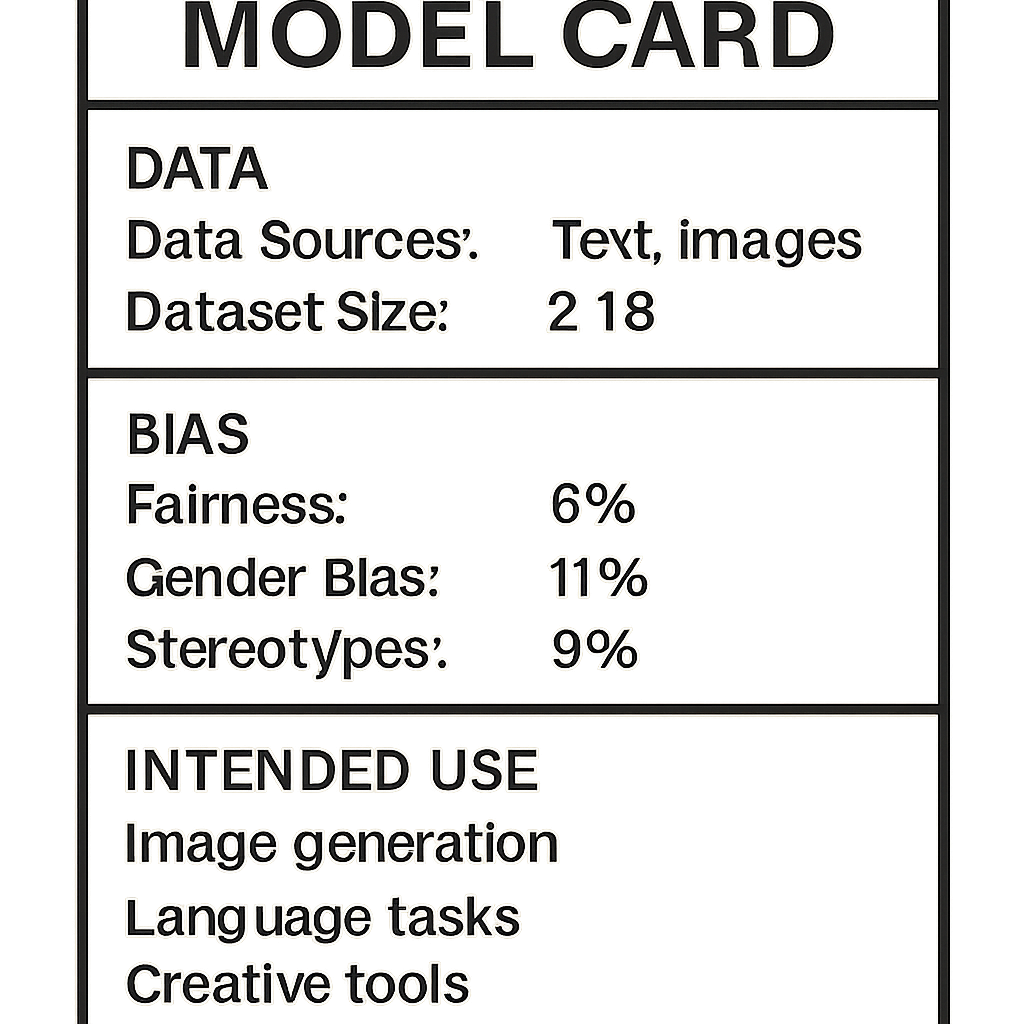
It is now standard practice for organizations to provide a Model Card or Data Datasheet with each AI model. Each of these cards serves as a type of ‘nutritional label’ for AI models.
Each card includes information regarding:
- Intended uses and those uses which are specifically prohibited.
- Demographics of the data used for model development.
- Known limitations, biases, and areas of ignorance.
- Performance statistics broken down by subgroup.
These types of cards allow buyers within an organization, government agencies regulating AI, and ultimately end-users to make informed decisions about whether an AI product fits their needs.
3. Integrating Watermarking and Cryptography
To help fight the crisis of fake information in today’s technology, many of the top players have standardized on how they will determine whether their content is real or false. This is accomplished through multiple layers.
- AI Invisible Watermarks: A subtle encryption method applied as part of the pixel data used to create an AI generated picture or audio wave from a synthesized voice. In other words, this cannot be seen by the human eye/ear; however, special detection software may find these invisible watermarks.
- C2PA Standards: The C2PA (Coalition for Content Provenance & Authenticity) is developing a single standard for attaching metadata to all types of digital content. For example, as you move your images around the Internet, the attached metadata travels with them and can be used to track the exact creation date/time, the application/tool used to generate the image, and whether any changes were made to the original image.
4. Establishing Rigorous Auditing
Publicly traded companies undergo financial audits; AI systems need to be audited for both their technical performance and their ethical integrity. The process for ethical auditing of AI systems follows a series of discrete steps (i.e., phases) when performing a complete audit of an organization’s ethical AI auditing processes:
- Pre-Deployment Assessment: In this phase, before writing a single line of code, cross-functional teams analyze the proposed use case against the company’s ethical standards and international regulatory requirements.
- Red Team Assessments: In this phase, security and/or ethics professionals “hack” the AI model, testing the limits of the model’s safety features while trying to circumvent them, forcing the model to generate hateful or derogatory speech, or testing whether the model will leak sensitive training data due to poor model security.
- Algorithmic Bias Analysis: This analysis uses a standard dataset to assess how well the model performs across demographic segments, including whether it exhibits bias that favors certain groups while disadvantaging others.
- Third-Party External Audits: The purpose of this phase is to engage third-party auditing firms that specialize in independent audits of organizations’ AI systems. These firms will verify that all metrics provided by the organization are accurate with respect to the organization’s claims about the ethical nature of its AI systems.
- Ongoing Post Deployment Monitoring: AI models are dynamic in nature and, as such, can deviate from original design intent over time as additional user data is fed into the model. Therefore, ongoing post-deployment monitoring is essential to ensure the model continues to operate in compliance with the originally established ethical parameters long after its initial implementation.
5. Keeping the Human in the Loop
No matter how sophisticated an artificial intelligence system becomes, it is still necessary for a human being to review and validate AI-made decisions. Human-in-the-loop validation systems (HITL) will always provide the most reliable way to prevent total catastrophe if an artificial intelligence were to fail completely.
An artificial intelligence system could potentially function autonomously for low-risk tasks, such as writing an internal e-mail. An artificial intelligence system operating in a high-stakes environment (e.g., making medical diagnoses, issuing legal rulings) can assist humans or provide recommendations.
In these types of environments, a trained, qualified human being must assess the output of the artificial intelligence system, apply their own knowledge/experience to understand the context of the recommendation(s), and ultimately decide on the course of action to take. HITL provides assurance that there is no situation in which a machine cannot apply empathy, moral reasoning, and good judgment.
Ethical AI Implementation Checklist
| Best Practice | Priority | Status Check |
|---|---|---|
| Conduct Bias Testing | High | Yes |
| Document Training Data Sources | High | Yes |
| Establish Human Review Process | High | Yes |
| Monitor Model Performance | Medium | Yes |
| Create Incident Response Plan | Medium | Yes |
| Ensure Regulatory Compliance | High | Yes |
| Publish Transparency Report | Medium | yes |
| Perform Regular Audit | High | Yes |
Example
Before deploying a customer-service chatbot, organizations should test for bias, validate outputs, and establish human oversight procedures.
Source

Building a Culture of Responsible AI
Implementing Technical Guardrails (or Compliance Checklists) is just one part of the equation. What will differentiate organizations in 2026 is Culture. As stated by Gartner “AI ethics must be an organizational capability, not limited to Legal & IT.”
Educating and Empowering Teams
If the C-Suite does not buy into the idea that every employee – from Entry-Level Developers to Senior Executives — needs to know what Generative AI Ethics are, then how can they expect employees to develop AI products responsibly? Therefore, all employees must receive Continuing Education on Emerging Threats, Regulatory Shifts, and the Ethical Implications of Product Design. Product Managers should have the authority to stop launching a product if it is deemed not to Meet Ethical Standards without being Retaliated Against.
Fostering Diverse Perspectives
The Fight against Algorithmic Bias Begins with Those Building the Algorithms. Organizational leadership must emphasize Diversity in its AI Engineering Teams. A Team with Individuals from Diverse Cultural, Academic, Socioeconomic, and geographic backgrounds will identify subtle biases and anticipate unintended negative consequences far more likely than a Homogeneous Group.
Shifting from Reactive to Proactive
Historically, the Tech Industry has used the Mantra of “Move Fast and Break Things.” This Philosophy is Highly Dangerous in the Era of Autonomous AI. To Build Safe and Sustainable Products for the Future, the Culture Must Change to “Anticipate Risks and Build Robustly” – i.e., Integrate Ethical Considerations during the Ideation Phase of Product Development rather than Post- Launch as a PR Problem.
Conclusion: The Road Ahead
Generative AI has the potential to drive major advances in disease cures, logistics solutions, and the democratization of creative expression – however, these opportunities will not come without inherent risks.
Ethical AI and AI Accountability are now far beyond just academic discussions – they are actual imperative actions. Through documenting systems and processes with transparency; through rigorous auditing and validation; by creating Human-In-The-Loop Safeguards (to protect against unintended consequences); and by proactively monitoring and complying with emerging Global Regulatory Standards, we have the opportunity to create an environment of prosperity and progress that utilizes AI as a powerful force for good.
While the technology we develop may offer many options, the future of technology is ultimately determined by how we define the ethics of what we develop today.
FAQs
- What are the biggest generative AI ethics challenges in 2026?
Key challenges include ensuring responsible data sourcing (real vs. synthetic data), reducing environmental compute costs, and mitigating persistent bias across demographics—especially in high-stakes domains such as healthcare, finance, and hiring. - Why are autonomous AI agents considered high-risk?
Autonomous agents can execute multi-step tasks with limited human oversight, increasing the likelihood of unpredictable behavior, policy violations, cascading failures (when agents interact), and real-world harm that can occur faster than humans can intervene. - How can organizations reduce misinformation and deepfake risks?
Adopt content provenance and authenticity standards (e.g., metadata credentials), use watermarking where appropriate, enforce labeling/disclosure practices, and run ongoing red-teaming and monitoring to detect and block manipulation patterns. - What does “AI accountability” mean in practice?
It means there is always a clear, auditable line from AI output to a responsible person or team—supported by model/version tracking, documented decision criteria, incident-response procedures, and mechanisms for review or appeal for high-impact decisions. - What are the most important best practices for ethical implementation?
Use transparent documentation (model cards/data sheets), rigorous pre- and post-deployment audits, bias and safety testing, strong privacy/security controls, and human-in-the-loop validation for high-stakes outputs—plus governance structures that enforce these consistently.

Garikapati Bullivenkaiah is a seasoned entrepreneur with a rich multidisciplinary academic foundation—including LL.B., LL.M., M.A., and M.B.A. degrees—that uniquely blend legal insight, managerial acumen, and sociocultural understanding. Driven by vision and integrity, he leads his own enterprise with a strategic mindset informed by rigorous legal training and advanced business education. His strong analytical skills, honed through legal and management disciplines, empower him to navigate complex challenges, mitigate risks, and foster growth in diverse sectors. Committed to delivering value, Garikapati’s entrepreneurial journey is characterized by innovative approaches, ethical leadership, and the ability to convert cross-domain knowledge into practical, client-focused solutions.