


















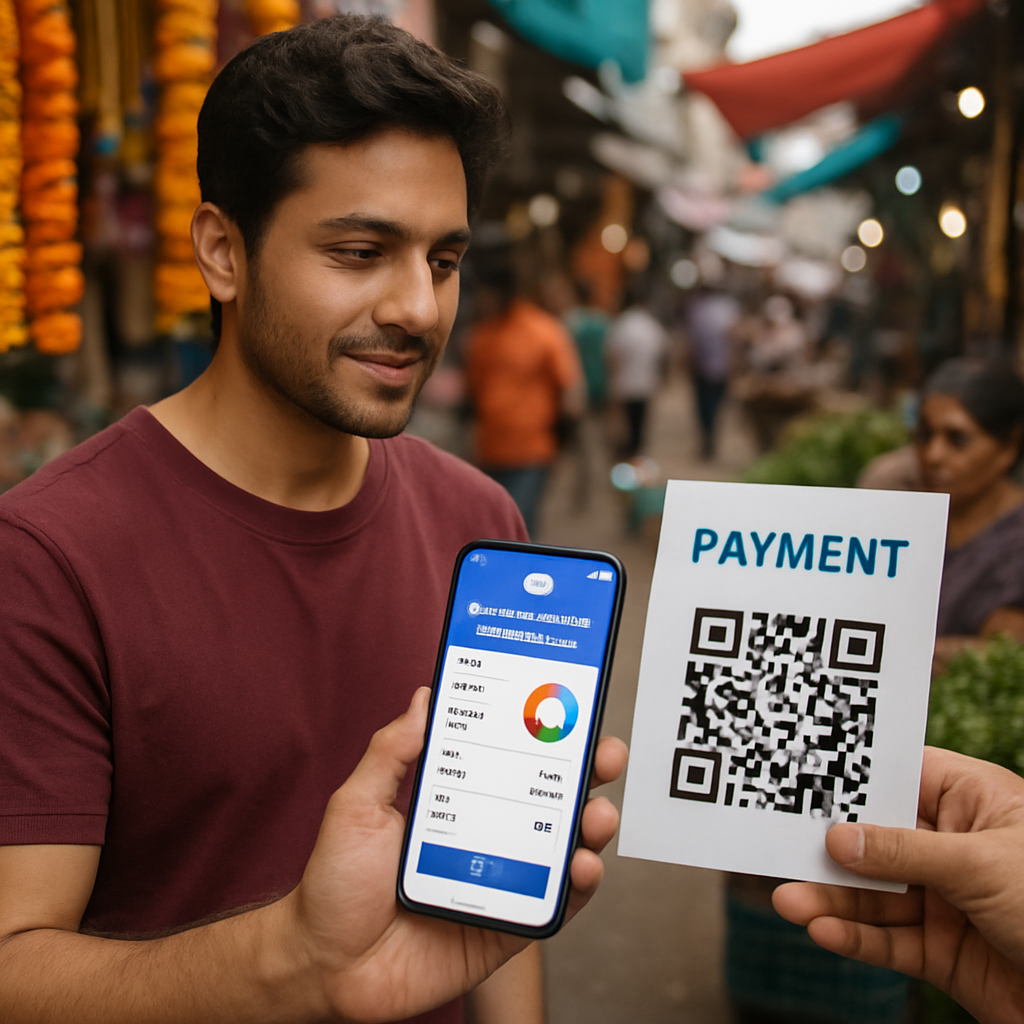
Think about when you last scanned a QR code from a local merchant or clicked on a YouTube video that was recommended in perfect Hindi. Those experiences aren’t magic. They are a small piece of AI operating in your phone that nobody sees. Millions of people use this “invisible” assistance every day as they bank online, shop, post messages on social media, and do many other things we do online.
It is unlikely you think about using robots. Picture a quiet, always-available digital assistant that has learned by studying patterns (a very easy task). The assistant makes educated guesses after studying thousands of previous examples of behavior, such as the next words in a WhatsApp message. This exact same learning method is being used to transform what can be done for us digitally (via apps, etc.) into useful AI applications.
This technology will soon leave the confines of Bangalore’s glass towers. Rural villagers are now experiencing the capabilities of AI in India. For example, there are AI-assisted translations of school lesson plans; AI-based warnings of pest infestations for farmers; and AI-assisted medical diagnoses in remote clinics. Does this AI-driven service really have the potential to build a better future for all of humanity?

Summary
“AI in India Is Creating a Better Future For All of Us” describes how artificial intelligence has become an integral part of Indians’ day-to-day lives — from personalized product recommendations and digital payment systems to services that have reached beyond the larger cities. The article provides an overview of how AI functions (data, algorithms, computing power), makes clear distinctions between predictive and generative AI, and explains why high-quality local data and research are important for ensuring that AI development benefits all.
The article states that the effects of AI on employment will be less about no jobs and more about new jobs, and that many examples exist today of new employment opportunities, such as data labeling and increased demand for humans working with machines.
Examples of actual applications include precision agriculture, which uses the Internet to help Indian farmers quickly identify pests, provide up-to-date information on soil health, conserve water, and offer price-forecasting tools. Additionally, the authors describe how AI is helping healthcare providers expand their capacity to provide specialist care via telemedicine platforms such as e-Sanjeevani, enabling patients to receive remote medical consultations and follow-up care.
Artificial Intelligence: Learn Step by Step with Best Practices for Beginners
AI in India: AI in India is rapidly transforming industries, driving innovation, and shaping the country’s digital future.

The transition of AI in India from a “buzz word” to a “backbone” for development is progressing quickly. AI will enable businesses and government institutions to operate faster, more cheaply, and with greater accuracy. For example, banks use AI to detect fraudulent activity and approve loan applications; retailers improve demand forecasts with AI; and manufacturing companies minimize downtime through predictive maintenance. The benefits of AI are apparent to end users through enhanced product suggestions, easier payment options, and improved customer service in everyday consumer apps.
AI in Indian education enables more individualized learning through adaptive instruction, automated grading, and language-specific content. As such, this may allow educators to focus more time on mentoring while students receive clear instructions tailored to their own pace. AI in Healthcare in India enables faster patient screenings, initial assessments, and remote consultations — which is especially beneficial when access to specialists is limited.
The startup ecosystem is another important catalyst for driving AI in India; AI in India is creating numerous new product opportunities in areas such as Finance, Agriculture, Logistics, and Customer Service. In addition, AI in India is generating an increasing number of jobs, including Data Annotation, AI Operations, Model Testing, and Domain Experts, who will help ensure responsible use.
Government and enterprise investment in the development of digital infrastructure is facilitating this transition, which will ultimately lead to greater availability of AI tools in regions beyond the main technology hubs.
However, AI in India must be developed and applied responsibly. Some key issues that must be addressed include data privacy, bias in AI model outputs, potential misinformation generated by generative AI, and equitable access to AI among connected and under-resourced populations. Ultimately, building trust for these emerging AI applications will depend on transparency in policy-making, secure application design/development processes, and employee education/up-skilling.
Example
The Odisha District Administration has launched an artificial intelligence (AI)-powered Grievance Desk for citizens. Using WhatsApp voice messages in Odia, residents can report their problems (pensions, ration cards, roads). After that, the system can identify the problem being described; request additional information from the resident as needed through follow-up questions; and automatically route it to the correct department based on policy rules, with a due date for completion.
In addition, the dashboard shows overdue items and allows grouping of similar complaints (e.g., several reports of a single broken hand-pump in different nearby villages), so that the government can prioritize repair. Finally, the resident receives periodic updates about the progress of their issue, which helps reduce unnecessary trips to office buildings and increase transparency.
AI technology in India is powering advancements in healthcare, finance, and smart infrastructure.

Across all areas of activity, AI in India has transitioned from pilot projects to everyday operating systems that are changing how individuals receive healthcare support, manage financial resources, and use public services. In hospitals and clinics, AI technology in India is helping doctors triage patients more quickly, alerting clinicians to possible abnormalities on a patient’s x-ray or scan, and assisting with automated data collection for routine administrative tasks.
It can help strengthen the ability to monitor diseases by identifying trends in large amounts of disorganized data in public health programs. Additionally, AI technology in India enables scaled telemedicine by providing consultation summaries and translating discharge instructions into local languages, thereby improving follow-up appointment rates and reducing unnecessary hospital admissions.
AI technology in Indian finance enables instant fraud prevention, continuous AML (anti-money laundering) risk assessment, and improved credit evaluation for lending, especially for those without a traditional credit history. Banks and fintechs are using behavioral indicators to detect Account Takeover Attempts; Customer Support Bots enable faster response time for customers by routing difficult or complicated issues directly to Human Agents. This is why AI in India is often associated with Financial Inclusion; however, this is subject to Good Governance, including Bias Testing & Explainability regarding decision-making related to Adverse Actions, as well as Secure Management of Sensitive Data.
AI in Indian smart infrastructure is also a high-impact area. AI technology in India has been applied to optimize traffic light timing, enhance road systems’ ability to detect incidents quickly, and estimate when maintenance will be needed for bridges, railways, and utility systems. Anomaly detection for loss prevention can also help reduce losses from leaks, theft, or equipment failures in energy and water systems.
The future success of AI in India is tied to balancing innovation with respect for privacy and cybersecurity, as well as to clear procurement processes. Successful deployment of AI in India will depend upon the development of common data standards, independent audits, and training and upgrading the skills of the existing workforce so that it may produce better health care for all citizens through safer hospitals, a stronger economy through more stable financial markets, and more reliable public works such as transportation, electric power, and water supply.
AI Impact Across Key Sectors in India
| Sector | AI Use Case | Impact/Statistic | Source |
|---|---|---|---|
| Healthcare | AI diagnostics & telemedicine | 30-40% faster diagnosis | https://www.niti.gov.in |
| Finance | Fraud detection & risk analysis | Up to 50% reduction in fraud losses | https://www.pwc.in |
| Agriculture | Crop monitoring & yield prediction | 20-25% increase in productivity | https://www.fao.org |
| Education | Personalized learning | 35% improvement in student engagement | https://www.unesco.org |
| Retail | Recommendation engines | 15-20% increase in sales | https://www.mckinsey.com |
Example
On a Mumbai Suburban Railway Line, an Artificial Intelligence (AI) Video Analytics System was implemented in order to help reduce risks associated with crowding at one of its busiest platforms. Using computer vision, the analytical model monitors for the earliest signs of overcrowding, detects irregularities in how people move through crowds, and can detect if anyone has fallen near the edge of the platform.
Once the AI model determines there is sufficient risk, it will send alerts to personnel at the station, make automated announcements to control the crowd, and recommend opening additional turnstiles or advising passengers to take alternative routes. Due to its ability to perform well in rainy conditions and during extreme rush hour traffic, this model was developed using data collected from the area’s light sources, worker uniforms, and actual passenger flow. As a result, the risk of injury is reduced due to quicker responses by railroad employees.
AI Solutions in India: AI solutions in India help businesses improve efficiency, automate processes, and make smarter decisions.

AI solutions in India will enable organizations to shift away from a manually driven, reactive business model toward a faster, more analytical, and better-informed one. Whether an organization is a startup or a large enterprise, AI will help automate processes, reduce errors, and provide executives with a clearer view of their organizational performance. As AI adoption in India expands, businesses are likely to move toward automation to enhance the consumer experience and make decisions more quickly, not simply to lower costs.
On a daily basis, AI Solutions in India often assist organizations in the areas of customer service (customer chatbots and voice bots providing answers to frequently asked questions and routing complex issues through multiple levels), financial departments (processing invoices, checking expenses, detecting anomalies), and sales/marketing departments (scoring leads, creating personalized communications, optimizing campaigns).
Additionally, organizations use AI to plan routes, predict demand, inspect product quality, detect potential problems before they occur, and maintain equipment in order to reduce downtime and prevent stockouts. Organizations also use AI to summarize documentation, extract critical information from contracts, and create initial drafts of internal reports, so employees can focus on higher-value tasks.
Better forecasts and quicker insights enable wiser decision-making. The use of Machine Learning Dashboards enables Teams to see Trends Earlier, Test Scenarios, and Respond More Rapidly to Changes in Supply, Pricing, and Customer Behavior. This is an operational reason why AI in India has become a competitive differentiator across industries such as Retail Banking, Healthcare, and Telecom.
Companies will be able to realize Real Value with Clean Data, Measurable Goals, and Strong Governance. As Companies grow their adoption of AI, they must also implement Responsible AI Practices (privacy protection, bias checks, human review for critical outcomes, cybersecurity). When done correctly, AI Solutions in India can increase efficiency, automate repetitive processes, assist organizations in Making Wiser Decisions at scale, and reinforce the Broader Momentum of AI in India
Example
A medium-sized textile export company located in Tiruppur uses an end-to-end AI solution to reduce time spent and errors. The first part of this end-to-end AI solution is an Optical Character Recognition (OCR) + Natural Language Processing (NLP) unit that extracts key elements from Purchase Orders (colors, sizes, shipping dates, etc.) and generates a production plan. The second part is a predictive model that estimates which dyes and fabrics will be needed by when, so the purchase order can be placed early.
In addition to these two parts of the end-to-end AI solution, there is also a computer vision component that monitors the stitching quality of the products being made; if it detects anything unusual or subpar, it flags the item and sends it to a human for review. The final piece of the end-to-end AI solution is an analytical layer that will forecast the likelihood of product shipments based on machine downtime and supplier delivery times. With this one dashboard view of all the data that managers have access to, they can see exactly where to take action to improve on-time deliveries and reduce rework-related waste.
AI Startups in India: AI startups in India are driving innovation and creating cutting-edge solutions across multiple sectors

AI startups in India have evolved into catalysts for growth, developing innovative technologies that translate advanced research and development into practical solutions to help both private businesses and government agencies address their respective needs and challenges. The rapid and extensive digital penetration across the country, the availability of vast amounts of data, and an expanding pool of highly educated and skilled professionals provide significant opportunities for AI startups in India to transition from experimental or exploratory phases into producing meaningful results.
AI Startups in India are working across numerous sectors — including healthcare (assistive diagnostic testing, remote patient monitoring, automation of hospital operations); finance (detection of fraudulent activity, automated identification of credit risk scores, automated compliance with regulatory requirements); and retail (forecasting demand; optimizing product assortment and inventory levels based upon individual customer preferences; improving inventory management through better forecasts).
They also work in agricultural and climate technology, where AI is used to build predictive models to identify pests, analyze crop images to assess crop health, and provide advisory services that help farmers optimize their irrigation practices and input use. Finally, they work in logistics and manufacturing — focusing on optimizing routes, automating warehousing processes, inspecting goods for defects, and maintaining equipment through predictive maintenance — resulting in improved delivery times and reduced waste.
The speed at which these innovations may be developed and tested is a major plus for AI Startups in India. They may rapidly develop and test their ideas, adapt their models to India’s many regional languages and user behaviors, and leverage India’s rapidly developing digital infrastructure. Additionally, many of them provide “AI-as-a-Service,” so that mid-sized companies may utilize advanced technologies without developing large internal technology development groups.
This flexibility has allowed AI in India to grow in multiple areas (metros and smaller cities).
That being said, it is still important for AI Startups in India to expand responsibly. To gain the confidence of users and customers of their products, they will need to implement a privacy-first design philosophy, ensure the highest levels of security, and establish clear accountability for how they use data — especially when making medical recommendations, determining creditworthiness, or providing other forms of public service.
Partnerships with businesses, educational institutions, and government organizations may help AI Startups in India improve the quality of the data used by their products, validate those products prior to deployment, and ensure successful large-scale deployments.
Growth of AI Startups in India
| Year | Number of AI Startups | Investment (USD) | Key Insight | Source |
|---|---|---|---|---|
| 2018 | 1000 | $150M | Early growth phase | https://www.nasscom.in |
| 2020 | 2000 | $500M | Rapid adoption | https://www.ibef.org |
| 2023 | 3000+ | $1B+ | Strong global interest | https://www.nasscom.in |
| 2025 | 4500+ | Growing rapidly | AI-first economy emerging | https://www.mckinsey.com |
Example
The retail voice assistant built by an India-based Artificial Intelligence (AI) start-up is a “voice-first” application designed specifically to assist untrained, non-accounting-trained kirana store owners. For example, when a shop owner wants to add a new item to their inventory, they can simply say, “I want to add 10 packets of tea for ₹320,” or ask, “How much will I need to pay my wholesaler?” When this spoken request is entered into the app, it converts the shop owner’s voice into a structured entry and then uses algorithms to match each entry to its specific products in the catalog.
After matching the product, the app produces GST-compliant invoices. In addition to generating invoices, the app identifies high-demand seasonal products and regional purchasing trends. As a result, the app sends automatic reminders for future orders on those products that are likely to sell out. Finally, since the app receives its pricing from a wholesale partner, price updates occur automatically in real time.
AI Research in India: AI research in India is advancing rapidly, contributing to global breakthroughs in artificial intelligence

AI research has grown substantially in India over recent years. The growth of AI research in India is driven by better access to computing resources (compute), open source software frameworks for AI development, and a collaborative environment where all three types of players – academia, startup community, and large enterprise — interact with one another. The momentum generated by these factors will enable researchers conducting AI research in India to move from using pre-existing AI tooling to developing new AI methods, datasets, and practical applications, thereby contributing significantly to global advancements.
The primary focus of AI research conducted in India is to develop AI models that function well within India’s environmental and linguistic context. This includes developing AI-based technologies for multilingualism and resource-constrained environments. For example, AI-based Speech Recognition systems, Translation Systems, and Document Understanding Systems for Indian languages enhance Indians’ access to digitally available services while developing techniques applicable worldwide.
In addition, AI research in India supports foundational Machine Learning topics, including efficient training, model compression, and the evaluation of machine learning algorithm performance. These topics have become increasingly important as companies strive to deploy cost-effective, energy-efficient AI solutions.
AI Research in India has numerous applications with quantifiable impact, and this trend is likely to continue. For example, AI Research in India contributes to the improvement of health care by means of image processing, early warning systems, and clinical decision support; to agricultural development through the detection of pests; the forecasting of yields, and the provision of precision advice to farmers; and to the security of financial transactions through better fraud detection and risk models.
Because these products have such an immediate effect on people’s lives, as they become more important, AI Research in India places greater emphasis on trustworthy AI — the design of methods to test for bias; the interpretability of data-driven decisions; privacy-preserving learning methods; and best practice in deploying AI systems securely.
In addition to their contributions at home, internationally, many researchers from India participate in international conferences, share their source code, etc., and help create benchmarks globally. The creation of cross-national collaborations (e.g., IBM Research) and the sharing of datasets are enabling faster progress toward developing innovations that apply universally. That’s why AI in India is no longer viewed simply as a large emerging market opportunity, but also as a source of new research ideas and new talent.
However, future success depends on continued investments in computing resources, high-quality datasets, and mechanisms to bring research to market. If AI in India governs its use of AI responsibly and prioritizes research opportunities that include all members of society, then AI Research in India should develop innovations that improve the lives of people around the globe.
Example
A public hospital and a university lab have partnered to conduct artificial intelligence (AI) based tuberculosis screening in lower-resource settings. To screen for TB using basic computer hardware in clinic-level labs, the researchers developed a lightweight model that uses chest X-ray images to identify potential cases for Radiologists to review.
The research focuses on fairness; it examines how well the model performs across different patient demographics, including age group, type of x-ray equipment used, and common comorbid conditions among Indian patients. The researchers are also studying the explainability of this model’s decisions by showing which lung areas were most influential in identifying the patient as at risk, so that Clinicians may verify the accuracy of the model’s decisions.
Generative AI in India: It is revolutionizing content creation, automation, and business innovation.

Generative AI in India is changing the way teams generate content, automate routine tasks, and develop product prototypes much more quickly. With increased access to cloud platforms and development tools, Indian businesses will use large language and image models to provide first drafts of marketing content (including product descriptions), training content, and multilingual communications with customers at scale.
With Generative AI in India, generative capabilities will enable agencies, media teams, and in-house marketers to increase speed and consistency in their content generation — especially where content needs to be translated into different countries or languages. In automation, Generative AI in India enables chatbots and agents to automatically respond to customers by summarizing customer service tickets, drafting responses, extracting information from documents, and developing internal reports from disparate sources. These efforts reduce the need for employees to perform these duties manually, allowing them to focus on reviewing, evaluating, and engaging in their roles.
Generative AI in India enables businesses to progress quickly from developing an innovative product to testing it. Product development teams will use this capability to create UI content (i.e., content that users see on a website), combine user comments and reviews to develop a new product, and compose requirements documentation for products. Legal/compliance departments will use the same capability to review/summarize agreements and other policy documents. Sales teams in India will use Generative AI to create personalized outreach communications and proposal documents.
In many cases, the most significant positive impacts occur when the tools are integrated into approved organizational knowledge bases, which ensure that information generated by these tools is current and reliable. However, the proper application of generative AI in India is critical to its responsible adoption.
Generative AI in India can produce confident yet incorrect results. Generative AI in India can also amplify existing biases within an organization’s data sets and potentially expose sensitive information if the technology is applied without sufficient safeguards. Therefore, organizations should apply multiple layers of oversight/guardrails, including access controls, redactions, citations, and human validation/approval of high-risk/high-impact generative outputs to ensure confidence in the accuracy/reliability of the outputs.
As such, overall AI in India has greatly accelerated the pace at which individuals can work collaboratively, experimentally, and efficiently. Additionally, generative technologies have become increasingly viable and tangible in the day-to-day operations of organizations, integrated into their workflows alongside governance, security, and quality control standards.
Generative AI: How Machines Powerfully Create New Content in Modern AI
More Than Just a ‘Magic Box’: How AI Uses Your Data to Become a High-Speed Assistant
Consider when YouTube recommends the perfect Marathi song. Every day, apps collect your choices, but how does the machine actually learn? It relies on three simple ingredients driving AI Solutions in India:
- Data (The Fuel): Millions of pictures, voices, and clicks.
- Algorithms (The Recipe): Step-by-step instructions for spotting patterns.
- Computing Power (The Engine): The machine is processing everything instantly.
Once powered up, this speedy aide assumes one of two types. First, the forecasting A.I., or “weather forecaster” for the Indian farmer, that predicts when the Monsoon will be delayed. Second, Generative AI in India, where AI translates written English documents into the official language of India (Hindi). Neither are boxes of magic. They both only look at patterns based on the data (digital fuel) they have been provided with. As such, they produce errors if given bad data. This is why AI research in India has focused so much on providing accurate local data.
The fact that there is no mystery surrounding the creation of a pattern-based tool eliminates fear of an autonomous, thinking machine. Instead, we have merely built an efficient tool designed to help us save time. However, as soon as a machine can predict the weather and create written text, many natural concerns arise concerning the future of employment.
AI in Education: AI in education is enhancing learning experiences through personalized and adaptive technologies.

AI in education has changed how we teach and learn by enabling the tailoring of educational content to individual students’ pace, knowledge, and understanding. Unlike traditional methods of teaching that use “one size fits all” materials, such as worksheets, diagnostic assessments allow an educator to identify areas of strength and weakness and recommend subsequent instructional concepts, supplemental support, or simplified explanations that meet the learner’s needs.
AI in education may also assist educators in providing instantaneous feedback on objective assessments, developing quizzes, and identifying common errors (misconceptions) students make. In addition, when an educator recognizes a skill deficit (e.g., fractions, grammar, reading comprehension), they may develop interventions to address it before a larger gap forms. Additionally, educators may create groups that better meet their students’ academic needs.
AI in education is changing how teachers provide instruction and how students learn by customizing educational content for each student based on their pace, knowledge, and level of understanding. Traditional teaching methods have relied on one-size-fits-all materials (e.g., worksheets). Diagnostic assessments enable the teacher to identify the strengths and weaknesses of his/her students and subsequently recommend additional instructional ideas, supplements, or simpler explanations to meet the students’ learning styles.
AI in education will be able to help teachers evaluate students immediately after completing an objective assessment/quiz; identify common misconceptions students have; and assist in creating quizzes and/or identifying common error patterns among students. Additionally, when an educator identifies a lack of skill (e.g., fractions, grammar, reading comprehension), they can design remediation strategies to prevent a skills gap from developing. Further, educators can group students to more effectively meet their educational needs.
Real-Life AI Use Cases in India
| Sector | Example Platform | AI Functionality | Outcome | Source |
|---|---|---|---|---|
| Education | BYJU's | Personalized learning AI | Improved learning outcomes | https://byjus.com |
| Healthcare | eSanjeevani | Telemedicine AI triage | 100M+ consultations | https://esanjeevani.in |
| Agriculture | CropIn | Crop prediction AI | Increased farm efficiency | https://cropin.com |
| Language AI | Bhashini | Multilingual AI | Breaking language barriers | https://bhashini.gov.in |
Saving the Harvest: How AI Predicts Monsoon Pests and Boosts Crop Yields for Farmers
The farmer of Vidarbha wakes each morning, no longer to speculation but to an easy phone message announcing an impending infestation. That’s not sci-fi. Rather, this is real-time how AI is supporting rural India now. Smart systems provide actionable messages regarding changing (unpredictable) weather conditions. They are thus the digital scarecrow.
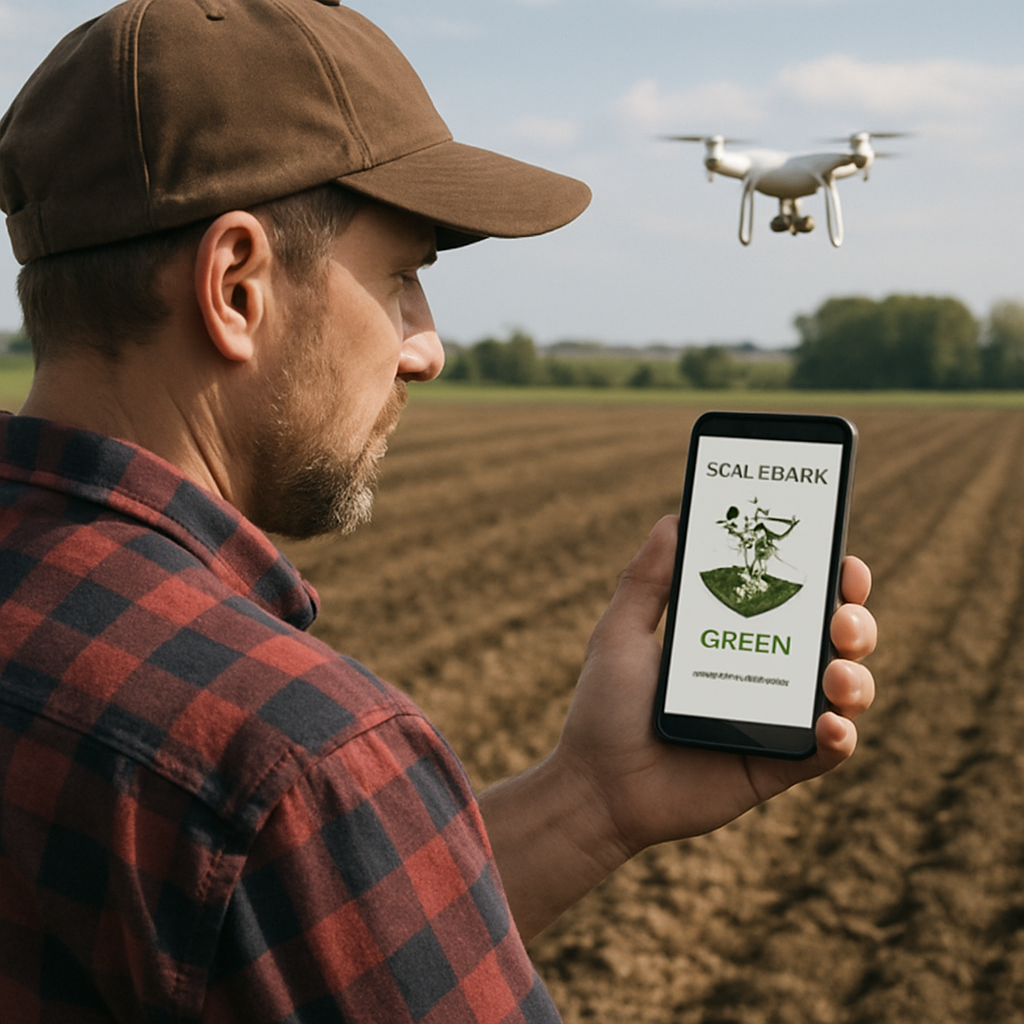
Instead of using expensive chemicals to spray an entire field, Precision Agriculture uses this new technology that allows the farmer to treat only the plants that have been infected by pests or disease. The four ways in which Indian AI Startups use Digital Tools to support farming families through higher agricultural crop yields are:
- Pest early warning before insects ruin the harvest.
- Soil health monitoring through simple smartphone photos.
- Precise water usage to save every precious drop.
- Market price forecasting to ensure fair profits.
Incredibly, rural areas are adopting these life-saving technologies much faster than cities. For example, once a farmer has used his phone to keep his cotton crop healthy, he will trust it to help him meet other basic needs. In addition to providing expert farm-related information in the fields where crops are grown (such as precision agriculture), many of the same technologies are now delivering urban-level healthcare services at the local village square.
Tele-Hospitals on Your Phone: How AI Brings Specialists to Remote Villages via e-Sanjeevani
A person who has traveled for hours to a very busy hospital in a town will know the huge price of being ill in rural India. The government’s e-Sanjeevani (e-sanjeevani) program, with an AI-enabled smartphone, makes it possible to have city-based specialist services available on a screen at a local clinic, thereby providing real AI-based access to rural village healthcare by connecting a city doctor to the screen of a local clinic. This program can help close the enormous gap between urban-based physicians and rural-based patients without requiring patients to travel long distances.
The proposed technology is intended to augment physicians’ capabilities by serving as an extremely fast, automated diagnostic assistant. It will be able to identify potential areas of concern and promptly present them to the physician. With respect to rural clinics, the proposed technology would enable them to leverage the benefits of AI while continuing to empower society through its application.
- Rapid X-ray screening to catch early signs of chest infections.
- Heart rate monitoring via camera using basic smartphone technology.
- Medicine dosage reminders are sent directly to a patient’s phone.
Early detection may be the difference between a fast recovery and financial ruin for families. Smart technology to aid local health care workers will save thousands of lives by allowing for quicker treatment. But, in order to save your life with a doctor’s advice, you need to be able to understand what they are saying.
Breaking the English Barrier: How Bhashini and Vernacular AI Put Knowledge in Every Mother Tongue
For many years, all of the world’s best Internet knowledge was blocked from access by people who didn’t speak English. Imagine a very smart high school student who has been unable to keep up in her online college classes simply because she can’t listen to an instructor who speaks a foreign language.
Vernacular AI—technology designed specifically to understand and work with local languages—has begun to break through what we could call the “invisible” barriers created by the need for students and learners to hear their instructors speaking their own native language. It does so by quickly converting the teacher’s/instructor’s language (English) into a form that is understandable to students/learners.
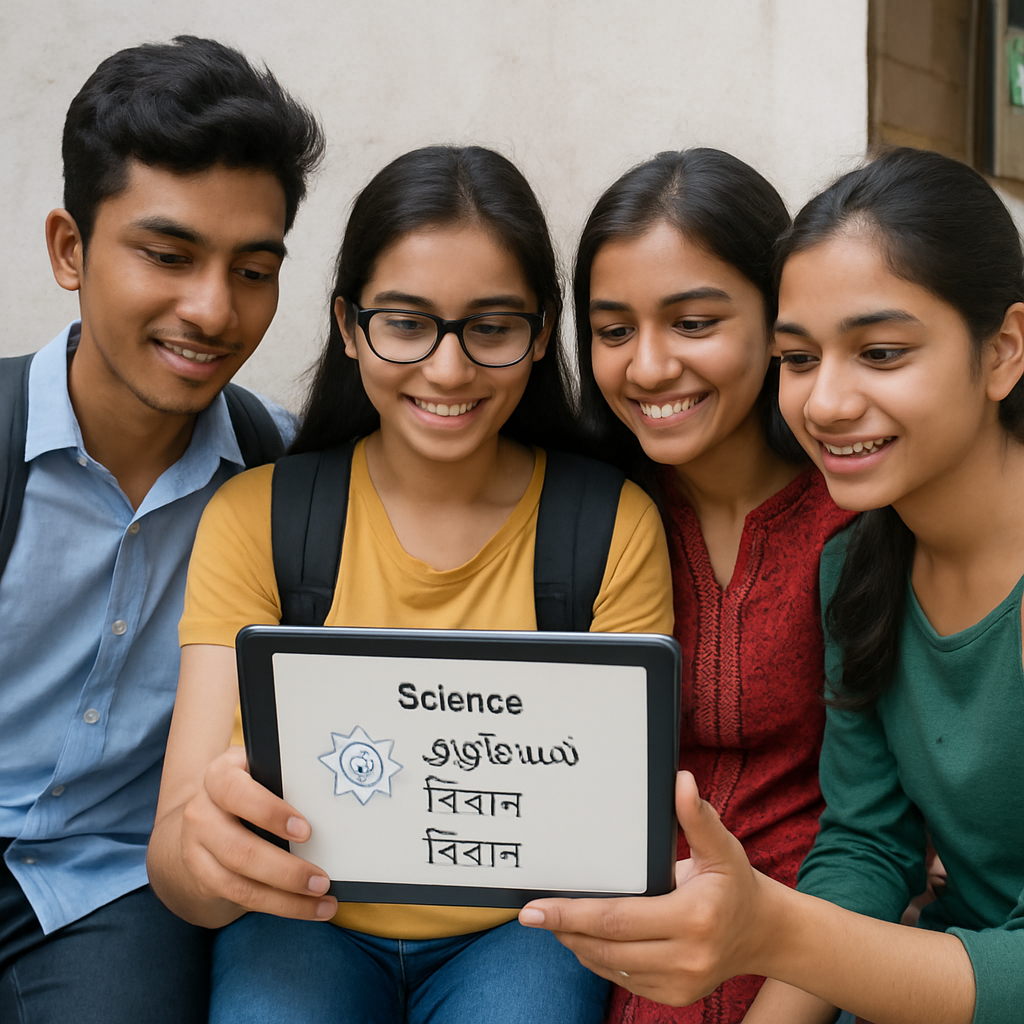
The key driver of this large-scale shift is Project Bhashini, an Indian Government initiative that serves as an immediate digital language translator on your smartphone. When a farmer asks a question in Odia, the system immediately translates it into an Odia query, locates the response, and replies to the farmer in Odia. The fast communication process of instant speech-to-speech translation, or real-time translation, is empowering educational resources through AI-driven vernacular-based platforms. As such, families can gain direct access to critical educational tools, crop information, and state portal sites in their native language.
By powerfully closing the digital divide in India through AI, millions of individuals will gain voice-based access to the digital world. For example, a local store owner who has never used a digital payment method can now use voice commands in Gujarati to make digital payments without paying a third-party service provider.
Will Robots Take My Job? Why India’s AI Shift is About ‘New Work’ Not ‘No Work’
The most significant concern with any tool when it comes out is usually the potential loss of livelihoods. But the Government’s IndiaAI Mission sees this technology as a massive opportunity for economic development, rather than as one that could cost people their livelihoods. Artificial intelligence is expected to contribute up to $1 trillion to the Indian Economy by 2030, primarily by creating new industries enabled by its use.
Data Labeling, a brand-new field of employment, is one example of how new opportunities will be available. Data labeling is a relatively simple concept; however, it is important. It involves being a “digital teacher.” For example, before computers can understand spoken Marathi or identify disease-ridden leaves, there needs to be human intervention to tag the examples digitally. Thousands of jobs will be created in small towns all over the world to provide this type of service.
It is clear that while machines can quickly process large volumes of information, they lack emotional intelligence. AI Startups in India are developing systems that can take care of the repetitive, mundane paperwork so that employees can focus on what makes them uniquely valuable – their ability to empathize and make connections with others.
In addition to creating office opportunities in cities, this team effort (human insight combined with machine speed) has proven successful throughout many parts of the world. As a result of the adoption of these fast digital tools, many individuals’ lives have changed significantly, especially in how people in rural communities protect their crops.
AI Job Market in India
| Role | Avg Salary (India) | Demand Growth | Key Skills | Source |
|---|---|---|---|---|
| AI Engineer | Rs. 10-25 LPA | 40%+ growth | Python, ML | https;//www.glassdoor.co.in |
| Data Scientist | Rs. 8-20 LPA | 35%+ growth | Statistics, AI | https://www.naukri.com |
| ML Engineer | Rs. 12-30 LPA | 45%+ growth | Deep Learning | https://www.payscale.com |
| AI Product Manager | Rs. 15-35 LPA | High demand | Strategy + AI | https://www.linkedin.com |
The Human Reality Check: Why We Must Watch Out for Bias and the Digital Divide
Our society’s data works much like a mirror; if we hold prejudice in our society, the technology that learns from our data will display exactly the same prejudice (algorithmic bias) to us. Additionally, these digital assistants sometimes generate entirely false information simply to appear helpful – a phenomenon commonly called an AI hallucination.
Therefore, it is up to each citizen to exercise everyday caution given the imperfections of these systems. India’s vision for responsible AI for social empowerment and inclusion, therefore, relies heavily upon citizens exercising their own responsibility in the protection of their privacy through the following three rules for ‘Safe AI’:
- Never share private OTPs, passwords, or banking details with bots.
- Check for ‘hallucinations’ by remembering that AI can confidently make errors.
- Verify important facts or government schemes from two trusted external sources.
Digital security isn’t about being cautious; it’s about proactively closing the AI knowledge gap in India. To ensure that the development of Ethical AI in India serves all people safely, there needs to be an active reduction in the AI knowledge gap in India. To do this, you’ll need to take your first steps in learning about digital safety through foundational digital education.
Challenges of AI in India
| Challenge | Description | Impact | Source |
|---|---|---|---|
| Data Privacy | Misuse of personal data | Trust issues | https://www.meity.gov.in |
| Bias in AI | Algorithmic discrimination | Unfair outcomes | https://www.weforum.org |
| Digital Divide | Rural vs urban tech gap | Limited access | https://www.worldbank.org |
| Skill Gap | Lack of AI-skilled workforce | Slower adoption | https://www.nasscom.in |
https://www.meity.gov.in
https://www.worldbank.org
Your Path Forward: How to Master ‘AI Literacy’ and Keep Your Family Ahead of the Curve
Artificial Intelligence is no longer viewed as a “villain” in movies but rather as a friendly digital assistant. The challenge is bridging the gap of what AI can do in India. Rural farmers and city workers are to benefit from AI. The key to achieving this goal is to remain curious and use the free resources provided by the Government of India, such as the IndiaAI Portal, which offers information on the changes happening in our lives every day.
Take your first step today by viewing these systems as educational tools. Whether you try ChatGPT or research the Claude AI Price in India to learn more about its advanced reading capabilities, finding the right AI tool for your self-improvement journey is absolutely free. When you commit to developing your own basic level of digital literacy, you help create a better future for everyone through India’s technological leadership.
My Final Findings
A better future for more Indians is possible through AI when AI is developed responsibly, alongside government policies & practices and high-quality data. The most important factor in this process is how we develop, adopt, and educate the population on the capabilities and limitations of AI.
The best examples of AI use are in “core” areas such as Agriculture, Healthcare, and Public Services. In these fields, AI is acting as an assistant, helping workers complete their tasks more efficiently. For example, in Agriculture, AI can help farmers make informed decisions by providing real-time information on pest and disease levels, weather forecasts, and other factors that affect crop yields. Similarly, in Healthcare, AI helps doctors diagnose patients more quickly and accurately. It also provides telemedicine services to those living in rural or remote communities. Additionally, AI sends reminders to patients about appointments and follow-up care.
In addition to the many ways AI has already positively impacted the lives of millions of Indians, there are additional economic impacts as well. The biggest impact of AI has been the creation of new job opportunities. Although some jobs have become obsolete due to automation and AI, others have opened up in new areas, including data preparation, operations, testing, and oversight. These new jobs create opportunities for entrepreneurs, startup companies, and other innovative organizations.
Conclusion
AI in India is no longer just a promise — it’s a reality today and is already making progress across education, farming, healthcare, and digital services. AI technology is extending expert help to those who have been left behind by these advances for decades, from pest alerts and precision farming to telemedicine support and rapid screenings. Also, there are language technologies like vernacular artificial intelligence (vernacular AI) and initiatives such as Bhashini that show how this advancement can bring knowledge and services into people’s mother tongues and reduce barriers.
At the same time, a better future will not happen on its own. If data Bias, privacy concerns, misinformation generated through generative systems, and lack of equal access to devices and internet connections are not addressed, then they could worsen existing divides. That’s why responsible AI — based on transparency, robust safeguards against risks, and human oversight — matters just as much as innovation.
The main opportunity for the future is collaboration — people using AI as a high-speed assistant while building new skills and creating new kinds of work. With careful governance, wider AI literacy, and inclusive application of AI technology, we believe AI in India has the potential to create growth that is both faster and fairer — so more citizens in more regions see benefits more consistently.
FAQs
1) How is AI already used in everyday life in India?
AI supports things like UPI fraud detection, video and shopping recommendations, voice typing, translation, and customer support chatbots—often working in the background inside common apps.
2) Will AI take away jobs in India?
AI will automate some repetitive tasks, but it will also create new roles (data labeling, AI operations, model testing, prompt/design workflows) and increase demand for skills such as problem-solving, communication, and domain expertise.
3) How is AI helping farmers in rural India?
AI can provide pest and weather alerts, detect crop stress from images, guide irrigation and fertilizer use, and forecast market prices—helping farmers reduce losses and improve yields.
4) How can AI improve healthcare access in India?
AI can assist doctors by speeding up screening (such as reading scans), supporting telemedicine, summarizing patient notes, and sending reminders—helping clinics serve more patients, especially where specialists are scarce.
5) What are the biggest risks of AI adoption in India?
Key risks include biased decisions, privacy and data misuse, misinformation or “hallucinations” from generative AI, and a widening digital divide if access and AI skills remain unequal.

Garikapati Bullivenkaiah is a seasoned entrepreneur with a rich multidisciplinary academic foundation—including LL.B., LL.M., M.A., and M.B.A. degrees—that uniquely blend legal insight, managerial acumen, and sociocultural understanding. Driven by vision and integrity, he leads his own enterprise with a strategic mindset informed by rigorous legal training and advanced business education. His strong analytical skills, honed through legal and management disciplines, empower him to navigate complex challenges, mitigate risks, and foster growth in diverse sectors. Committed to delivering value, Garikapati’s entrepreneurial journey is characterized by innovative approaches, ethical leadership, and the ability to convert cross-domain knowledge into practical, client-focused solutions.